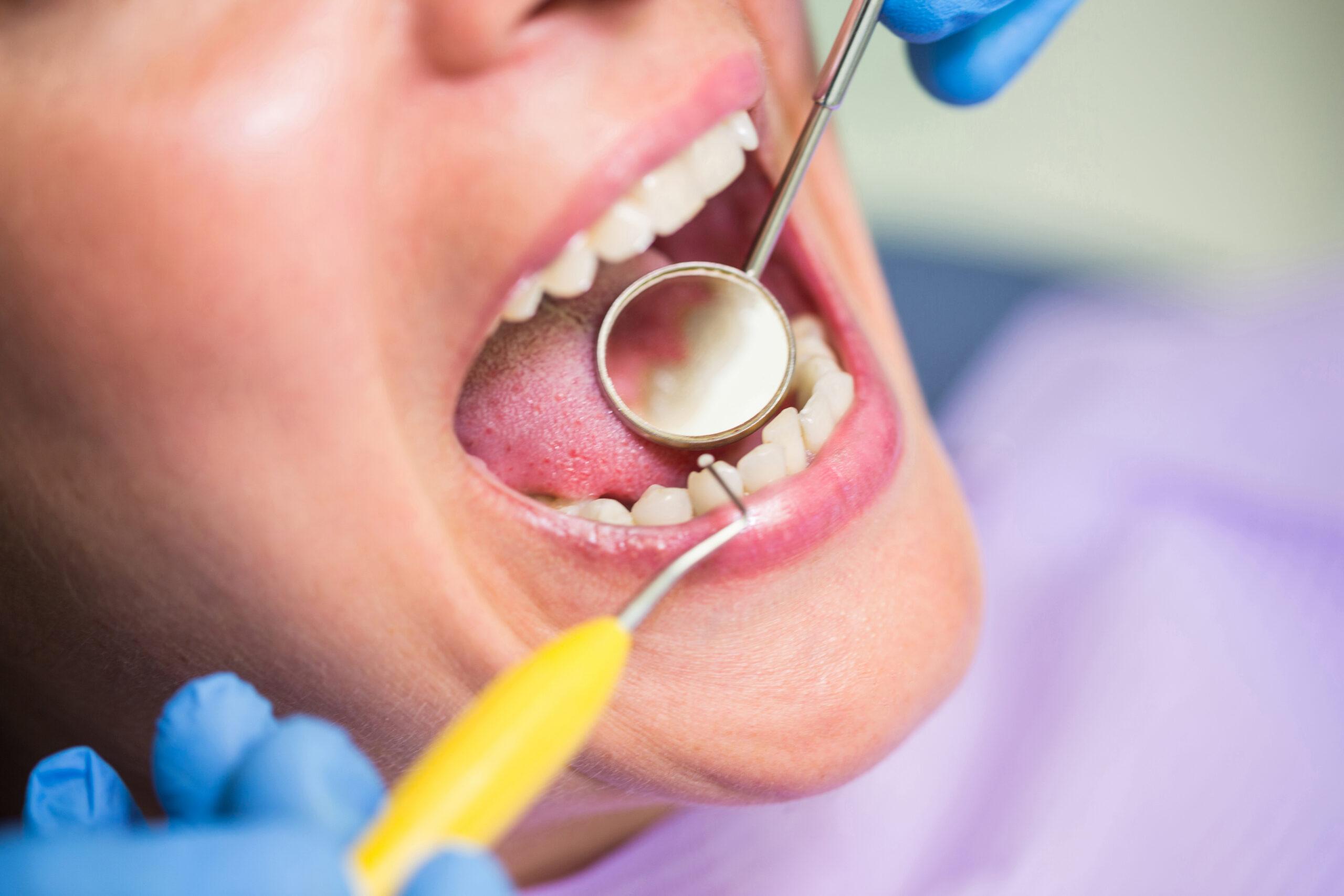
Teeth grinding, known clinically as bruxism, is a condition in which a person clenches or grinds their teeth involuntarily, most often during sleep but sometimes during waking hours as well. The primary causes of bruxism include psychological stress and anxiety, sleep disorders, bite misalignment, certain medications, and stimulant use, including caffeine. Because the condition often occurs during sleep, many people are unaware they grind their teeth until a partner notices the sound or a dentist identifies characteristic wear patterns. For a thorough evaluation, visiting a professional at a Dental Clinic in Alliston, Ontario, is the right first step.
Bruxism is far more common than most people realize, affecting an estimated eight to ten percent of adults and a higher percentage of children, who often outgrow the habit naturally. The forces generated by grinding can be several times greater than those of normal chewing, and their effects on teeth, gums, jaw muscles, and joints accumulate silently over months and years. For comprehensive Dental Care in Alliston, Ontario, Dominion Street Dental evaluates the full range of bruxism consequences and provides practical treatment options tailored to each patient’s specific situation.
What Is Bruxism?
Bruxism is defined as a repetitive jaw-muscle activity characterized by clenching or grinding of the teeth and bracing or thrusting of the mandible. It occurs in two main forms: sleep bruxism, which happens during sleep and is classified as a sleep-related movement disorder, and awake bruxism, which occurs during waking hours and is typically associated with emotional stress or concentration. Both forms can cause significant dental damage and jaw discomfort.
Primary Causes of Teeth Grinding
Psychological Stress and Anxiety
Stress and anxiety are the most commonly identified triggers of both sleep and awake bruxism. When the nervous system is in a heightened state of arousal, the jaw muscles respond by tensing. During sleep, this tension can manifest as grinding or clenching that the sleeper is completely unaware of. Patients frequently report that their bruxism worsens during particularly stressful life periods such as job changes, relationship difficulties, financial pressure, or academic demands.
Sleep Disorders
Sleep bruxism is strongly associated with other sleep disorders, particularly obstructive sleep apnea. Patients with sleep apnea stop breathing repeatedly during the night, and researchers believe that bruxism may be a neurological response to these breathing disruptions. Identifying and treating sleep apnea often leads to a reduction in associated bruxism. Other sleep disorders, including insomnia and restless leg syndrome, are also associated with higher rates of bruxism.
Bite Misalignment (Malocclusion)
When teeth do not meet properly in the natural resting bite, the jaw may respond by searching for a more comfortable position, which can result in clenching and grinding. A malocclusion that creates uneven pressure points on certain teeth, or an irregular bite due to missing teeth or poorly fitting dental restorations, can provoke bruxism as the jaw attempts to compensate.
Medications and Stimulants
Certain medications are associated with bruxism as a side effect. Antidepressants, particularly selective serotonin reuptake inhibitors (SSRIs), are the most commonly identified offenders. Antipsychotic medications and some stimulant medications used to treat attention disorders are also linked to elevated bruxism rates. Recreational drugs including MDMA (ecstasy) and amphetamines, are known to cause intense bruxism as a direct pharmacological effect.
Caffeine and Alcohol
High caffeine intake, particularly from coffee, tea, and energy drinks, increases nervous system arousal and is associated with elevated rates of sleep bruxism. Alcohol disrupts sleep architecture and has been shown to worsen sleep bruxism even in individuals who do not typically grind their teeth when abstaining. Reducing intake of both substances is often recommended as part of a comprehensive bruxism management approach.
Age and Developmental Factors
Bruxism is particularly common in children between the ages of three and ten, often occurring as the baby teeth are being lost and the permanent teeth are erupting. In most children, the habit resolves naturally without intervention. In adults, bruxism tends to persist or worsen without active management.
Neurological Conditions
Certain neurological conditions are associated with higher rates of bruxism, including Parkinson’s disease, Huntington’s disease, and dementia. The neurological component of bruxism is an active area of research that may eventually lead to more targeted pharmacological treatment approaches.
Identifying and understanding the cause of your bruxism is important because effective management often requires addressing that underlying cause, not just protecting the teeth from its effects. A skilled Dentist in Alliston, Ontario, will take a complete history, assess wear patterns, and discuss your lifestyle, sleep quality, medications, and stress levels to build an accurate picture of what is driving your grinding.
Protective appliances are one of the most effective tools for managing bruxism. The page for Gum Disease Therapy in Alliston, Ontario, also covers nightguard options that can protect your teeth and jaw from the damaging forces of grinding while the underlying cause is being addressed.
Signs and Symptoms of Bruxism
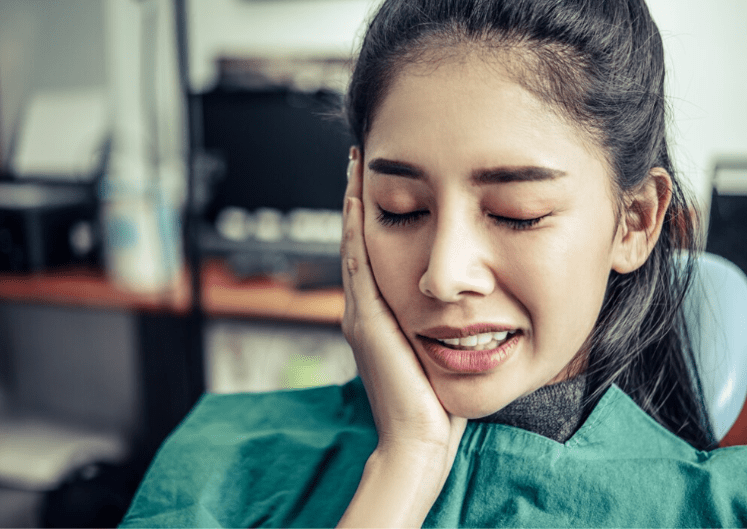
• Waking with jaw soreness, pain, or stiffness in the facial muscles.
• Frequent morning headaches, particularly in the temple region.
• Flattened, worn, or chipped tooth surfaces visible to yourself or your dentist.
• Increased tooth sensitivity to temperature or sweet foods.
• Cheek tissue chewed on the inside, creating ridges along the cheek lining.
• Clicking, popping, or pain in the jaw joint when opening or closing the mouth.
• Earaches without any ear infection being identified.
• Disrupted sleep reported by a bed partner who hears grinding sounds.
How Bruxism Is Diagnosed
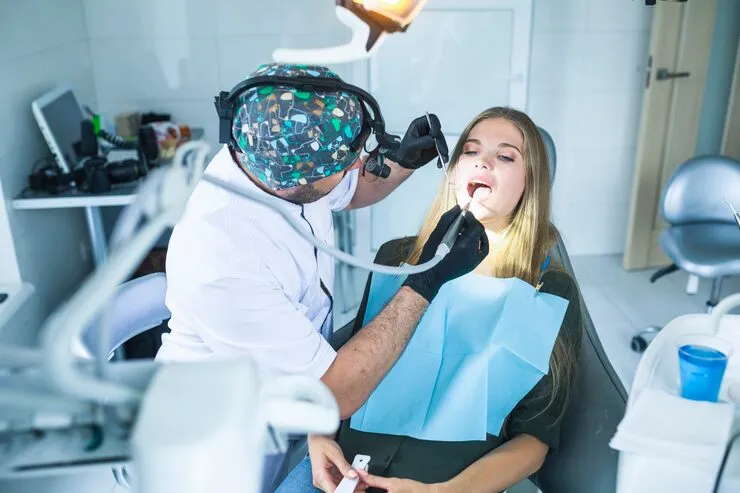
Diagnosis is primarily clinical. Your dentist examines the wear patterns on your tooth surfaces, the condition of your jaw muscles (checking for tenderness and hypertrophy), and the condition of your bite. In some cases, particularly where sleep apnea is suspected as an underlying factor, a referral for a sleep study may be recommended. A detailed patient history covering stress levels, sleep quality, medication use, and caffeine and alcohol habits provides important diagnostic context.
Treatment Options for Bruxism
Custom Nightguard
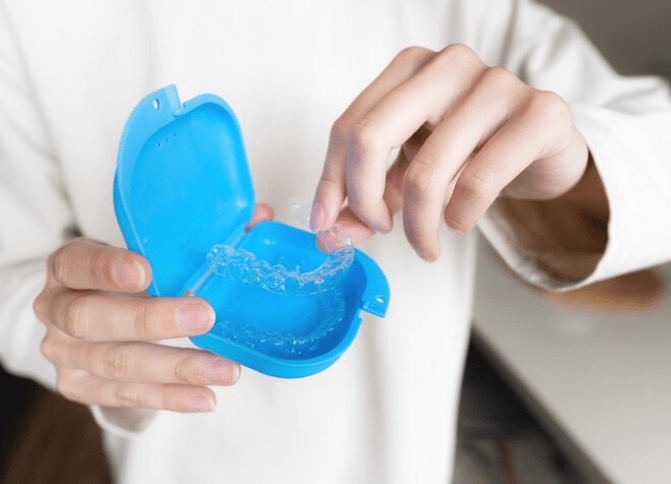
A custom nightguard is the most widely used and most effective protective intervention for sleep bruxism. Made from high-quality dental material and precisely fitted to your bite, the guard prevents the upper and lower teeth from making direct contact during grinding episodes. While it does not stop the grinding behavior itself, it protects the enamel, fillings, and other restorations from the destructive forces involved.
Stress Management
For stress-driven bruxism, addressing the underlying psychological trigger is an important part of long-term management. Cognitive behavioral therapy (CBT), relaxation techniques, exercise, and mindfulness practices have all demonstrated effectiveness in reducing stress-related bruxism. Your primary care provider or a mental health professional can provide guidance on appropriate interventions.
Lifestyle Modifications
Reducing caffeine and alcohol intake, particularly in the evening hours, can meaningfully reduce sleep bruxism severity. Establishing a consistent sleep schedule and creating a relaxing pre-sleep routine address the arousal-related components of the condition.
Medication Review
If your bruxism began or worsened after starting a new medication, discuss this with your prescribing physician. In some cases, an alternative medication in the same therapeutic class may cause fewer oral side effects. Do not discontinue prescribed medication without medical guidance.
Bite Correction
When bite misalignment is identified as a contributing factor, orthodontic treatment or adjustment of poorly fitted dental restorations may reduce bruxism triggers. This is typically pursued as part of a broader treatment plan rather than as the sole intervention.
Common Mistakes Bruxism Patients Make
• Dismissing jaw soreness and headaches as general stress symptoms rather than seeking dental assessment.
• Not wearing the nightguard consistently. Skipping even a few nights per week significantly reduces its protective effectiveness.
• Assuming bruxism will resolve on its own. While childhood bruxism often self-resolves, adult bruxism without intervention typically causes progressive damage.
• Not informing the dentist about a new medication that coincides with the onset of grinding symptoms.
• Attempting to manage grinding with over-the-counter boil-and-bite guards. These do not fit precisely enough to provide the same level of protection as a custom appliance.
Frequently Asked Questions
Q1. Can children with bruxism damage their permanent teeth?
If bruxism persists after the permanent teeth have erupted (typically around age twelve to thirteen), there is a risk of enamel wear on the permanent teeth. Most childhood bruxism resolves before this becomes a clinical concern, but children whose grinding continues into their teen years should be assessed for a nightguard.
Q2. Does a nightguard cure bruxism?
No. A nightguard protects the teeth from the effects of grinding but does not stop the grinding behavior itself. Think of it as damage control while the underlying cause is being identified and managed. For some patients, addressing stress or sleep apnea reduces or eliminates bruxism. Others manage long-term with a nightguard as a protective tool.
Q3. Can untreated bruxism lead to tooth loss?
In severe or long-standing cases, yes. Extreme enamel wear can progress to exposure of the softer dentin layer, increasing decay risk and sensitivity. Fractures caused by grinding can require tooth extraction if they extend below the gum line. Stress on the supporting bone from chronic clenching can contribute to bone loss that compromises tooth stability.
Q4. How long does a nightguard last?
This depends on the severity of the grinding and the quality of the appliance. Most custom nightguards last between two and five years. Heavy grinders may wear through a guard sooner. Your dentist will assess the guard at each checkup and recommend replacement when its protective capacity has been significantly reduced.
Q5. Is there a connection between bruxism and headaches?
Yes. The jaw muscles that are hyperactive during grinding are the same muscles implicated in tension-type headaches. The temporalis muscle, which runs along the side of the head, is particularly involved. Many bruxism patients report a significant reduction in morning headache frequency after beginning nightguard therapy.
Conclusion
Bruxism is a complex condition driven by a combination of psychological, physiological, and lifestyle factors. While stress is the most common trigger, sleep disorders, bite problems, and medications all play meaningful roles. Early diagnosis, protective intervention with a custom nightguard, and addressing the underlying cause together form the most effective management approach. Awareness of the warning signs and a proactive relationship with your dental team are your best tools for minimizing the long-term impact of bruxism on your oral health. Dominion Street Dental, at 46 Dominion St, Alliston, ON L9R 1L5, is one of the best dental clinics in Alliston, Ontario, and provides both protective and therapeutic care for bruxism patients. The team at the Dental Practice in Alliston, Ontario can be reached at (705) 410-0961 or domdentalinfo@gmail.com.