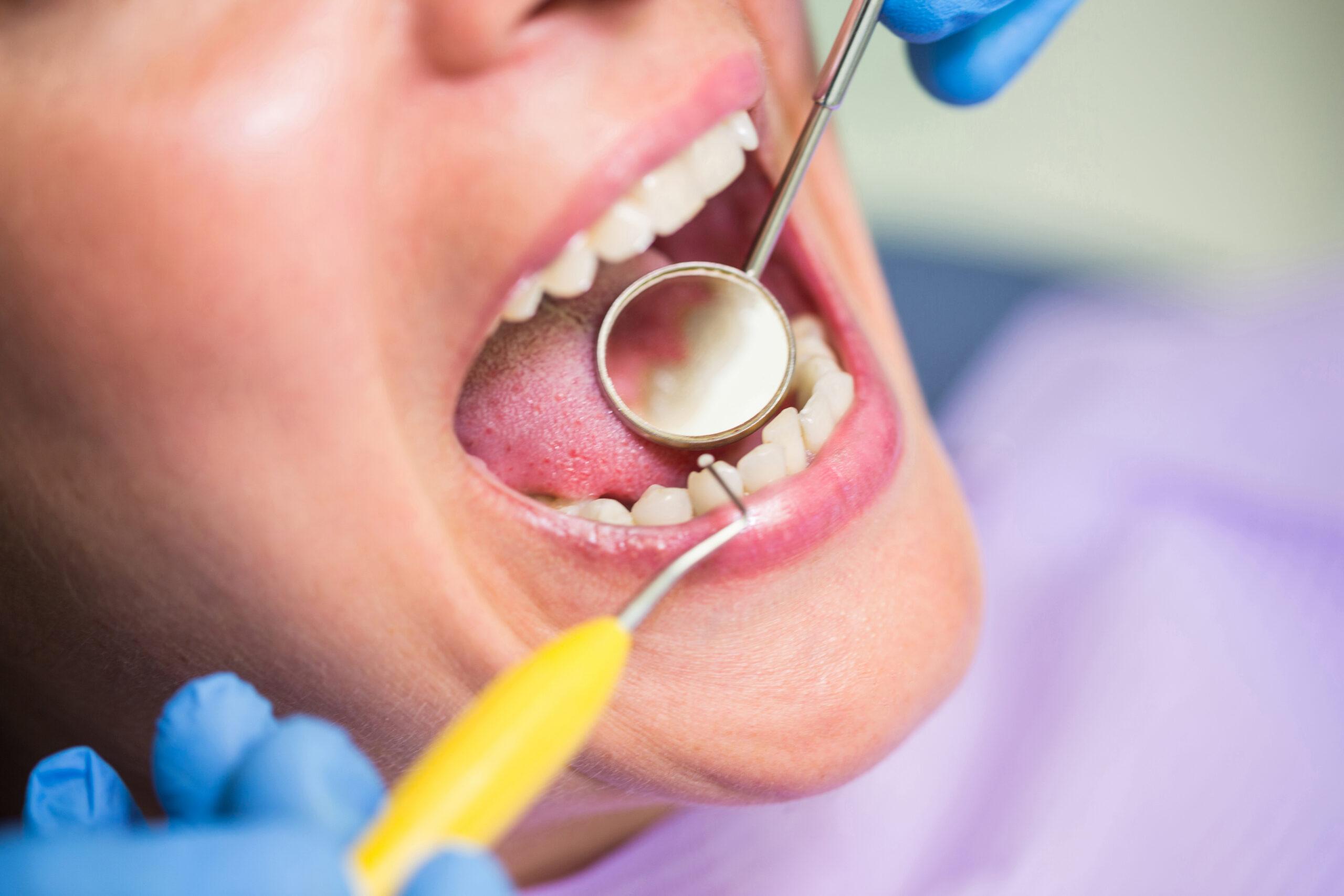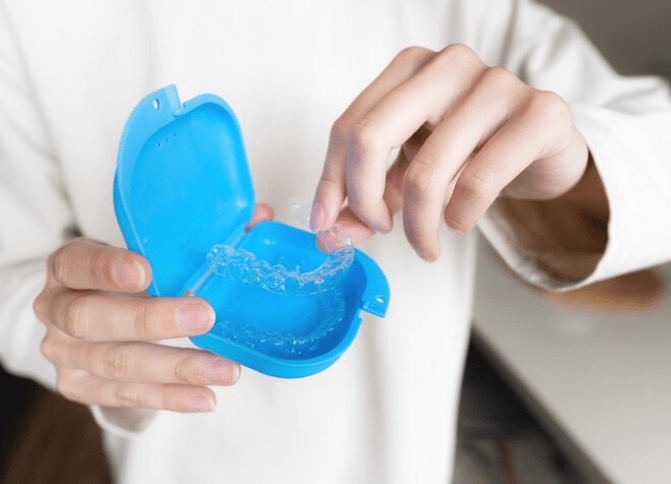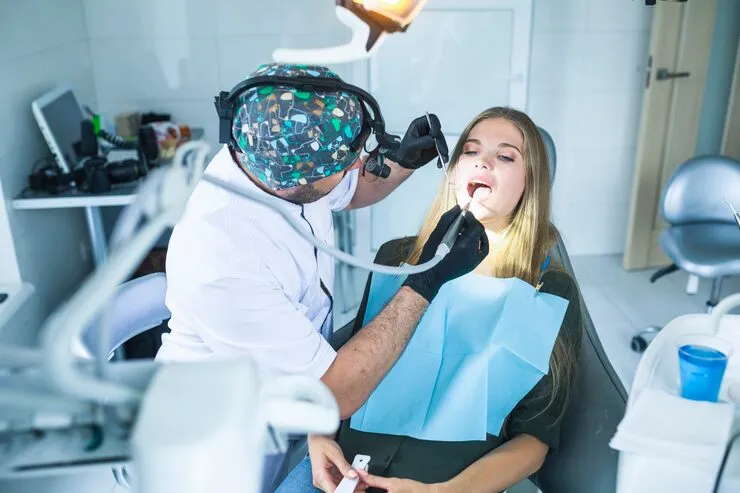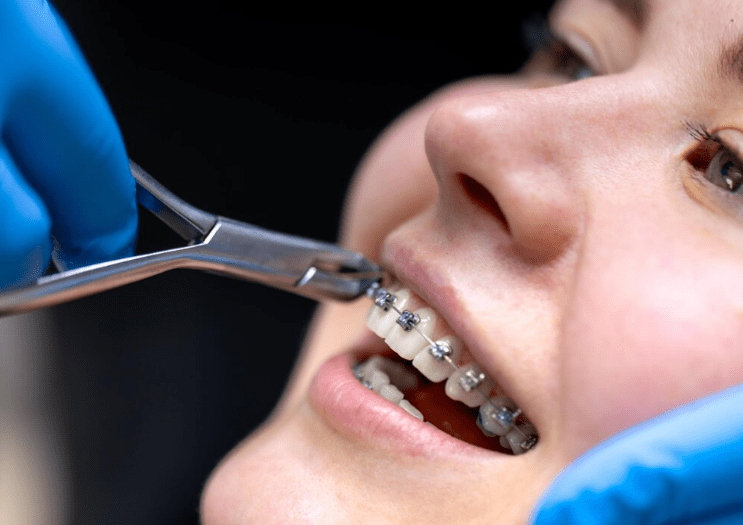
Orthodontic treatment corrects misaligned teeth and jaws to improve both the function and appearance of your smile. The clearest signs that you may need orthodontic treatment include crowded or overlapping teeth, noticeable gaps between teeth, difficulty biting or chewing properly, a jaw that shifts or clicks, and an obvious overbite, underbite, or crossbite. If any of these apply to you or your child, a professional evaluation at a reputable Dental Clinic in Alliston, Ontario is the appropriate first step toward understanding your options.
Orthodontic problems do not resolve on their own and generally become more complex to treat the longer they are left unaddressed. Early identification of alignment issues creates the widest range of treatment options and often produces faster, more comfortable results. For families seeking trusted Dental Care in Alliston, Ontario, Dominion Street Dental provides comprehensive orthodontic assessments and helps patients navigate their treatment choices with clear, honest information.
What Is Orthodontic Treatment?
Orthodontic treatment is a branch of dentistry that focuses on diagnosing and correcting malocclusion, which means a misalignment of the teeth or jaws. Treatment uses appliances such as traditional braces, clear aligners, retainers, and expanders to apply controlled, gentle forces over time that gradually move teeth into their optimal positions. The goal is a bite that functions correctly, teeth that are easier to clean, and a smile that the patient feels confident about.
Common Signs You May Need Orthodontic Treatment
Crowded or Overlapping Teeth
Crowding occurs when there is not enough space in the jaw for all the teeth to fit in proper alignment. Crowded teeth overlap, rotate, or get pushed forward or backward from their natural position. This makes thorough brushing and flossing significantly more difficult, which creates pockets where plaque accumulates and bacteria thrive. Crowding is one of the most common reasons patients seek orthodontic assessment.
Gaps Between Teeth (Spacing Issues)
Gaps can result from teeth that are proportionally smaller than the jaw, from missing teeth that have allowed remaining teeth to drift, or from habits like thumb sucking in childhood. In addition to aesthetic concerns, gaps allow food to pack between teeth and can cause uneven bite pressure distribution that leads to jaw discomfort over time.
Overbite
An overbite occurs when the upper front teeth extend too far forward and downward over the lower front teeth when the back teeth are closed. A mild overbite is normal and healthy, but a significant overbite can cause the lower teeth to bite into the roof of the mouth, accelerate wear on the lower front teeth, and increase the risk of injury to the upper teeth in an accident.
Underbite
An underbite is the opposite of an overbite: the lower front teeth sit in front of the upper front teeth when the jaw is closed. Underbites are often driven by a jaw discrepancy rather than tooth position alone, which can make them more complex to treat. They often cause difficulty biting into food, accelerated wear on the front teeth, and can affect facial appearance and speech.
Crossbite
A crossbite occurs when one or more upper teeth sit inside the lower teeth rather than outside them, either at the front or the back of the mouth. Crossbites cause uneven jaw development, tooth wear, gum recession on affected teeth, and in some cases jaw pain or asymmetric facial development, particularly when left untreated in growing children.
Open Bite
An open bite means that when the back teeth are closed together, a space remains between the upper and lower front teeth. Open bites often result from extended thumb sucking or pacifier use in early childhood, tongue thrusting habits, or jaw growth patterns. They can cause difficulties biting into food, speech issues, and abnormal wear on the teeth that do make contact.
Jaw Shifting, Clicking, or Pain
If your jaw deviates to one side when you open it, makes clicking or popping sounds, or causes pain when chewing or opening wide, these can be signs that a bite problem is placing stress on the temporomandibular joint. Orthodontic treatment that corrects the underlying alignment issue can relieve the stress on the joint and reduce or eliminate these symptoms.
Difficulty Chewing or Biting
When teeth do not meet properly, the efficiency of chewing is reduced. Patients with significant bite problems sometimes avoid certain foods because of difficulty biting into them, or they chew consistently on one side of the mouth to compensate. Both patterns have long-term consequences for jaw development and even for digestion.
Many people assume orthodontic treatment is purely cosmetic, but misaligned teeth and jaws have real functional consequences. Crowded teeth are harder to clean, which increases the risk of decay and gum disease. Bite problems can cause uneven tooth wear, jaw pain, and difficulty eating. A knowledgeable Dentist in Alliston, Ontario will assess not only the aesthetic elements of alignment but also the functional and long-term oral health implications.
.
To learn more about the orthodontic services available locally, the page for Orthodontic Treatment in Alliston, Ontario provides an overview of the treatment approaches offered and what the process looks like from evaluation to completion.
At What Age Should Orthodontic Assessment Begin?
Most dental organizations recommend a child’s first orthodontic evaluation by the age of seven. At this age, enough permanent teeth have erupted to allow a thorough assessment of developing bite patterns, jaw growth direction, and space availability. Early evaluation does not always mean early treatment, but it allows the dental team to identify problems that benefit from intervention during growth phases.
Adults can also receive orthodontic treatment with excellent results. Teeth can be moved at any age as long as the gums and supporting bone are healthy. Adult treatment may take slightly longer than childhood treatment in some cases, but modern appliances like clear aligners make adult orthodontics more accessible and discreet than ever before.
The Orthodontic Treatment Process: Step by Step
1. Initial consultation: A comprehensive examination including X-rays, photographs, and bite analysis. The dental team assesses the nature and severity of the alignment problem and discusses treatment options.
2. Treatment planning: A detailed plan is created specifying the type of appliance, the estimated treatment duration, and the sequence of corrections to be made.
3. Appliance fitting: Traditional braces are bonded to the teeth, or clear aligner trays are fabricated based on digital scans.
4. Active treatment phase: Regular appointments every four to eight weeks allow the dental team to monitor progress, adjust forces, and advance the treatment plan.
5. Retention phase: Once teeth have moved to their target positions, retainers are fitted to hold them in place while the bone and tissues stabilize around the new positions.
6. Long-term retention: Most patients are advised to wear retainers indefinitely (nightly) after orthodontic treatment to prevent relapse, as teeth have a natural tendency to drift back toward their original positions.
Common Patient Mistakes With Orthodontic Treatment
• Delaying consultation because the alignment issue seems minor. Many problems that look cosmetically subtle are functionally significant and become harder to treat with time.
• Assuming braces are the only option. Clear aligner systems have become highly effective for a wide range of malocclusions and may be appropriate for your case.
• Not wearing retainers after treatment. Failing to wear retainers as directed is the most common cause of orthodontic relapse, requiring repeat treatment.
• Neglecting oral hygiene during braces treatment. Food and plaque accumulate around brackets and wires, creating a high-risk environment for decay and gum disease if cleaning is not thorough.
• Skipping scheduled adjustment appointments, which slows treatment progress and can allow teeth to move in unintended directions without regular monitoring.
Prevention and Oral Health Maintenance During Orthodontic Treatment
• Brush after every meal to remove food debris from around brackets and wires.
• Use interdental brushes or a water flosser to clean between brackets and below the archwire where standard floss is difficult to use.
• Attend professional cleanings more frequently during active treatment, as hygiene is more challenging and plaque buildup accelerates.
• Avoid foods that are sticky, chewy, or very hard, which can damage brackets, bend wires, or dislodge appliances.
• Report any broken brackets, loose wires, or discomfort to your dental team promptly so adjustments can be made before problems develop.
Frequently Asked Questions
Q1. How long does orthodontic treatment typically take?
Treatment duration varies widely based on the complexity of the case, the patient’s age, the type of appliance used, and how consistently the patient follows care instructions. Simple corrections may be completed in as little as six to twelve months. More complex cases involving significant bite correction may take two to three years. Your dental team will provide a specific estimate based on your individual assessment.
Q2. Is orthodontic treatment painful?
Initial placement of braces or a new set of aligner trays often causes some soreness and pressure for two to four days as the teeth begin to respond to the applied forces. This is normal and typically managed well with over-the-counter pain relief. The discomfort reduces significantly as the mouth adapts to the appliance.
Q3. Can orthodontic problems affect speech?
Yes. Significant overbites, underbites, open bites, and severe crowding can all affect speech patterns. Orthodontic correction that addresses the underlying alignment problem often improves speech clarity. There is an adaptation period at the start of treatment when the appliance itself may temporarily affect speech, but this typically resolves within a few weeks.
Q4. What happens if I do not treat an orthodontic problem?
Untreated orthodontic problems typically worsen over time. Crowded teeth become harder to clean as they overlap more, increasing decay and gum disease risk. Bite problems accelerate tooth wear and can develop into jaw pain and TMJ dysfunction. Addressing these issues proactively almost always leads to simpler, less extensive treatment than waiting until problems become symptomatic.
Q5. Are clear aligners as effective as traditional braces?
For many types of malocclusions, clear aligners are equally effective as traditional braces. They are particularly well-suited for mild to moderate crowding, spacing, and some bite corrections. Complex cases involving significant jaw discrepancies or severe rotations may still be better managed with traditional braces, which provide more precise three-dimensional control of tooth movement. Your dental team will recommend the most appropriate system for your specific case.
Conclusion
Orthodontic problems are common, highly treatable, and worth addressing at any age. From crowded teeth and bite irregularities to jaw pain and difficulty eating, the signs that orthodontic treatment is needed are often clear once you know what to look for. Early professional evaluation by an experienced dental team is the most important step toward a healthier, more functional, and more confident smile. Dominion Street Dental at 46 Dominion St, Alliston, ON L9R 1L5 is one of the best dental clinics in Alliston, Ontario, with a team that combines a thorough clinical approach with a genuine commitment to patient comfort. The Dental Practice in Alliston, Ontario, is available at (705) 410-0961 or domdentalinfo@gmail.com to schedule your orthodontic consultation