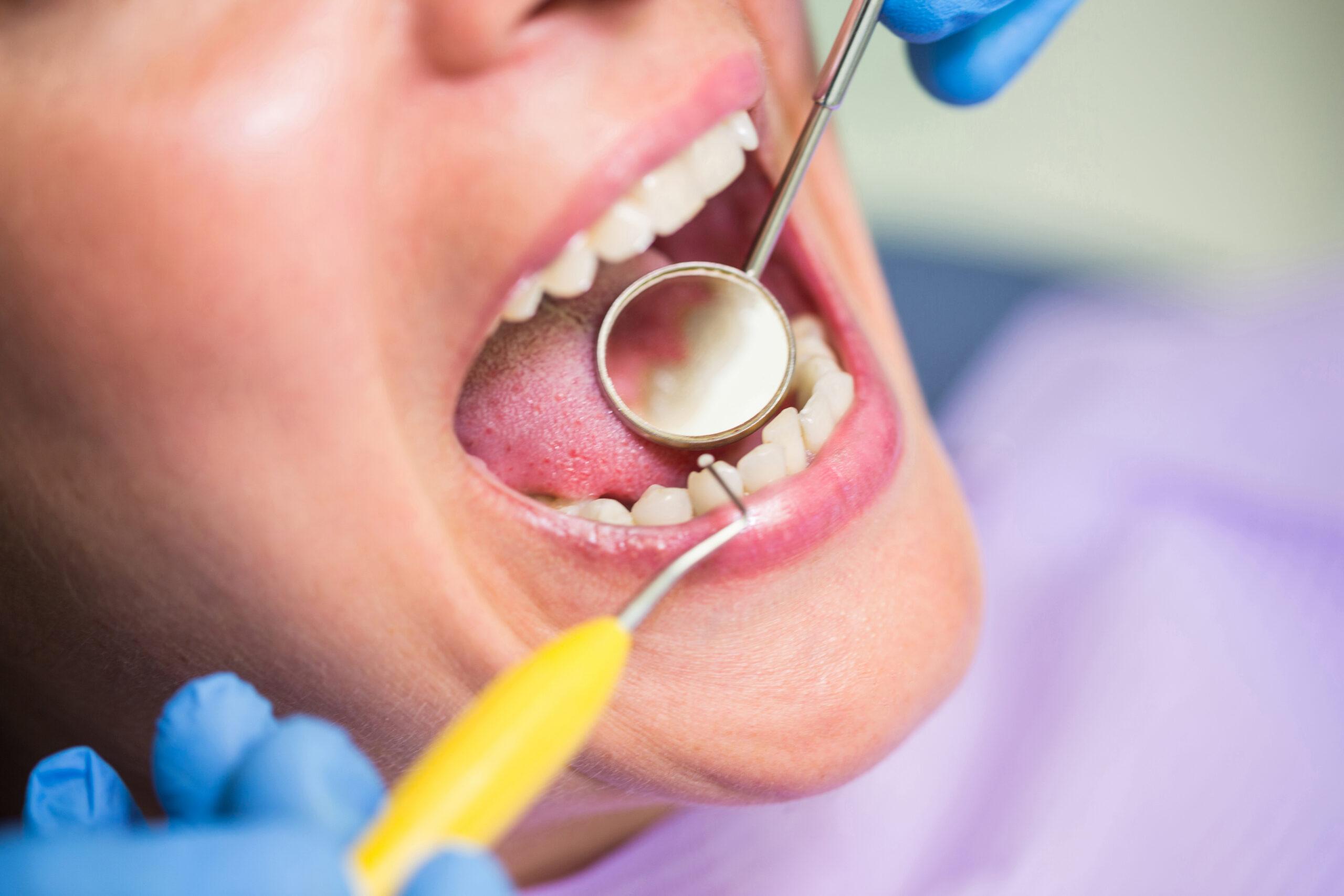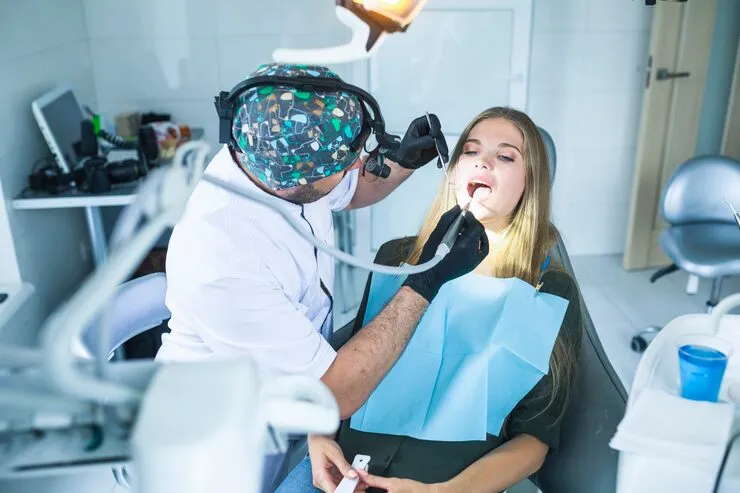
A sports mouth guard is a protective dental appliance worn over the teeth and gums to absorb and distribute the impact of blows to the face, jaw, or head during athletic activity. Every athlete who participates in a contact or collision sport should wear one, and many dentists recommend them for non-contact sports as well. If you are looking for a professionally fitted sports mouth guard, visiting a trusted Dental Clinic in Alliston, Ontario ensures you receive a custom-made appliance that fits your mouth precisely and provides superior protection compared to any store-bought alternative.
Dental injuries from sports are among the most common and preventable injuries athletes sustain. A single impact can chip, fracture, or knock out a tooth, resulting in costly and complex dental treatment. Fortunately, a well-fitted mouth guard dramatically reduces this risk with minimal inconvenience. For families and athletes in the region, accessing quality Dental Care in Alliston, Ontario, at Dominion Street Dental means getting a professionally fabricated guard tailored to your specific bite and sport.
What Is a Sports Mouth Guard?
A sports mouth guard is a flexible, resilient dental appliance that fits over the upper teeth. Its primary function is to cushion the soft tissues of the mouth (lips, cheeks, and tongue) against laceration and to absorb the force of direct blows that might otherwise fracture teeth, damage the jaw, or cause concussion. Many sporting organizations at the recreational, scholastic, and professional levels mandate their use.
There are three main types of mouth guards available to athletes. Understanding each type helps you make the best choice for your level of activity and the protection you need.
Types of Sports Mouth Guards
1. Stock Mouth Guards
Stock guards are pre-formed, ready-to-wear appliances purchased at pharmacies and sporting goods stores. They are the least expensive option but also the least effective. Because they are not fitted to any individual’s teeth, they are often bulky, uncomfortable, and require the jaw to remain slightly clenched to keep them in place. This interference with normal breathing and speaking is a significant drawback, particularly for athletes in high-exertion sports.
2. Boil-and-Bite Mouth Guards
Boil-and-bite guards are also available over the counter and offer a step up from stock models. They are softened in hot water and then pressed onto the teeth to create a rough impression. The fit is better than a stock guard but still far from precise. The material tends to be thinner and less durable than custom options, and repeated use often causes distortion of the impression.
3. Custom-Fitted Mouth Guards
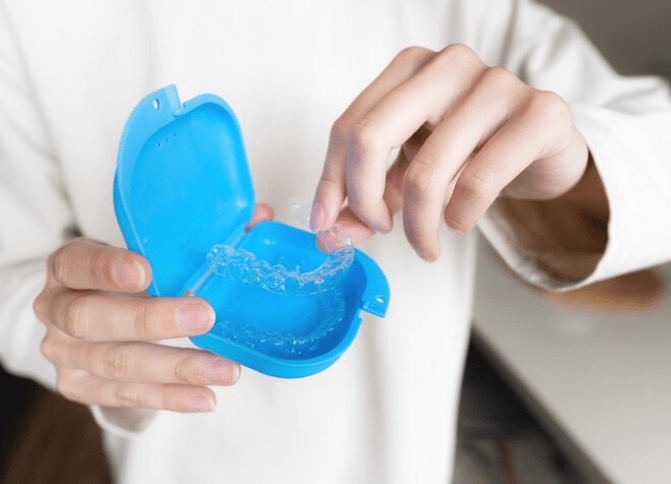
Custom-fitted mouth guards are made by a dental professional using an impression or digital scan of your teeth. The guard is then fabricated from high-quality, durable material in a dental laboratory to match your exact bite and arch shape. This results in superior fit, comfort, retention, and protective performance. Custom guards are thicker and more precisely distributed across the teeth, offering the highest level of shock absorption.
Whether you are a weekend recreational player or a competitive athlete training year-round, mouth protection should be a non-negotiable part of your gear. Many parents overlook mouth guard requirements for their children’s recreational leagues, not realizing that youth teeth are particularly vulnerable to sports-related damage. Speaking with a qualified Dentist in Alliston, Ontario, will help you understand exactly what level of protection is appropriate for your activity and how to ensure the guard fits correctly every season.
For full details on the mouth guards available and what the fitting process involves, the page for Sports Mouth Guards in Alliston, Ontario, covers the options, materials, and how Dominion Street Dental approaches protection for every type of athlete.
Why Custom Mouth Guards Are Worth the Difference
Research consistently shows that custom-made mouth guards provide significantly better protection against tooth fractures, soft tissue lacerations, and concussion compared to over-the-counter alternatives. The precise fit means the guard stays in place without effort, does not interfere with breathing or communication, and maintains its shape through a full season of regular use.
Athletes who wear ill-fitting store-bought guards often remove them mid-game because of discomfort, defeating the purpose entirely. A guard that stays comfortably in place throughout play is the only effective guard. This is why dental professionals universally recommend custom fabrication, particularly for patients with orthodontic appliances, unusual bite patterns, or known jaw sensitivity.
Sports That Require or Recommend Mouth Guards
Many athletes assume mouth guards are only necessary in full-contact sports, but the reality is more nuanced. Here is a breakdown by category:
• High-contact sports where mouth guards are required or strongly recommended: hockey, football, rugby, lacrosse, boxing, mixed martial arts, and wrestling.
• Moderate-contact sports with significant oral injury rates: basketball, soccer, baseball, softball, and field hockey.
• Non-contact sports where guards are still beneficial: gymnastics, skateboarding, mountain biking, and equestrian sports, where falls can cause facial impacts.
• Recreational activities involving shared equipment or close proximity: recreational hockey leagues, martial arts classes, and youth team sports of all kinds.
Signs You Need a Sports Mouth Guard
• You participate in any sport where physical contact, falls, or projectiles are possible.
• Your child plays on a team sport at any competitive or recreational level.
• You have braces, a bridge, or other dental restorations that are vulnerable to impact damage.
• You have previously sustained a dental injury during athletic activity.
• You experience jaw soreness or bite discomfort after sports, which can indicate stress on the jaw without adequate cushioning.
• You play multiple sports across different seasons and need a durable, versatile protective appliance.
The Custom Mouth Guard Fitting Process: Step by Step
1. Scheduling a dental consultation: Your dentist reviews your sport, the level of contact involved, and your dental history to determine the appropriate guard type and thickness.
2. Taking impressions or digital scans: An accurate record of your teeth and bite is captured. This is the foundation for a precisely fitted guard.
3. Laboratory fabrication: A dental lab uses your impressions to create a custom guard from high-quality, durable material. Turnaround is typically one to two weeks.
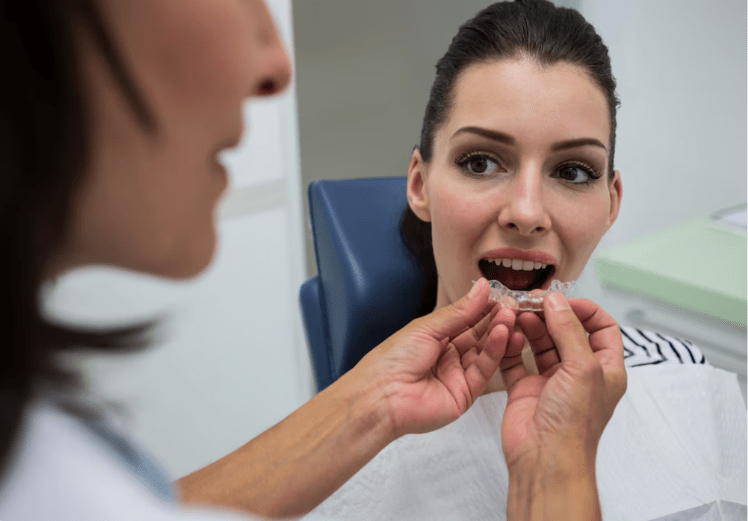
4. Fitting appointment: The completed guard is placed in your mouth and adjusted as needed to ensure a secure, comfortable fit with no bite interference.
5. Instructions for use and care: Your dentist provides guidance on how to clean, store, and maintain the guard so it performs correctly throughout its lifespan.
6. Seasonal reassessment: Children especially need periodic refitting as their teeth and jaw continue to develop. Adults should also have their guard evaluated if they notice any change in fit or comfort.
How to Care for Your Mouth Guard
• Rinse the guard with cool water or mouthwash before and after each use.
• Brush the guard gently with a toothbrush and mild soap (not toothpaste, which can be abrasive) after every use.
• Store it in a perforated, ventilated case that allows it to dry properly between uses.
• Keep it away from high temperatures, including direct sunlight and hot car interiors, which can warp the material.
• Bring your guard to dental checkups so your dentist can inspect it for wear, tears, or changes in fit.
• Replace the guard if it develops cracks, tears, or becomes loose. A damaged guard offers significantly reduced protection.
Common Mistakes Athletes Make With Mouth Guards
• Wearing a one-size-fits-all stock guard and assuming it provides adequate protection. These guards are associated with significantly lower protective performance in clinical studies.
• Not wearing the guard consistently. Many athletes only wear their guard in games but not in practice, where injuries happen just as frequently.
• Not replacing a worn guard. A guard that has been chewed through or distorted by heat no longer absorbs impact correctly.
• Forgetting to bring it to the appointment for assessment. Your dentist can only evaluate fit and wear if the guard is present.
• Assuming children do not need custom guards because their teeth will change. A guard that fits a child properly now protects their developing permanent teeth at the most vulnerable stage.
Safety Warnings
Never share a mouth guard with another person, as this transmits bacteria and is a significant hygiene risk. If your guard causes pain, persistent bite changes, or jaw soreness, contact your dentist to have it evaluated before continuing use. Athletes with jaw disorders or TMJ conditions should inform their dentist before being fitted, as a specialized guard design may be recommended.
Mouth Guards for Athletes With Braces
Athletes undergoing orthodontic treatment present a unique protective challenge. The metal brackets and wires of traditional braces increase the risk of soft tissue injury if the mouth sustains an impact without a guard. Standard boil-and-bite guards cannot accommodate braces adequately. A dental professional can provide a specially designed guard that fits over braces comfortably and protects both the hardware and the soft tissue of the cheeks and lips.
Frequently Asked Questions
Q1. How often should a sports mouth guard be replaced?
Custom mouth guards for adults typically last one to three years with proper care. Children should have their guards reassessed annually because their mouths change rapidly as permanent teeth come in and the jaw develops. Any guard showing visible wear, distortion, or poor fit should be replaced immediately, regardless of age.
Q2. Can I get a mouth guard fitted on the same day as my consultation?
The impression or digital scan is taken at the initial appointment, but the custom guard is fabricated in a dental laboratory and typically requires one to two weeks. You can inquire about whether a temporary guard is available to protect you during that waiting period if your sport season has already begun.
Q3. Do mouth guards help prevent concussions?
Research suggests that properly fitted mouth guards may help reduce the severity of concussions by dampening impact forces transmitted through the jaw to the skull. While no mouth guard can fully prevent a concussion, the shock-absorbing properties of a well-fitted custom guard contribute to overall head protection as part of a comprehensive safety approach.
Q4. Is a sports mouth guard different from a night guard?
Yes. Sports mouth guards are designed to absorb impact forces and protect teeth and soft tissues during athletic activity. Night guards are designed to prevent the grinding and clenching forces of bruxism from damaging teeth during sleep. The materials, thickness distribution, and design of each type reflect their different protective purpose.
Q5. Are sports mouth guards covered by dental insurance?
Coverage varies significantly between insurance plans. Some policies include mouth guard fabrication under preventive or restorative benefits, while others do not. Your dental office can submit a predetermination request to your insurer to confirm coverage before your guard is made, so there are no billing surprises.
Conclusion
A properly fitted sports mouth guard is one of the simplest and most effective forms of dental protection available to athletes at every level. Custom-fitted guards from a dental professional outperform all over-the-counter alternatives in comfort, retention, and protective performance. Investing in the right guard before your next season protects not only your teeth but also your overall oral health and long-term well-being. Dominion Street Dental, located at 46 Dominion St, Alliston, ON L9R 1L5, is one of the best dental clinics in Alliston, Ontario, and has extensive experience fitting custom sports guards for patients of all ages. The team at Dental Practice in Alliston, Ontario, can be reached at (705) 410-0961 or domdentalinfo@gmail.com to book your mouth guard appointment before your next season begins.