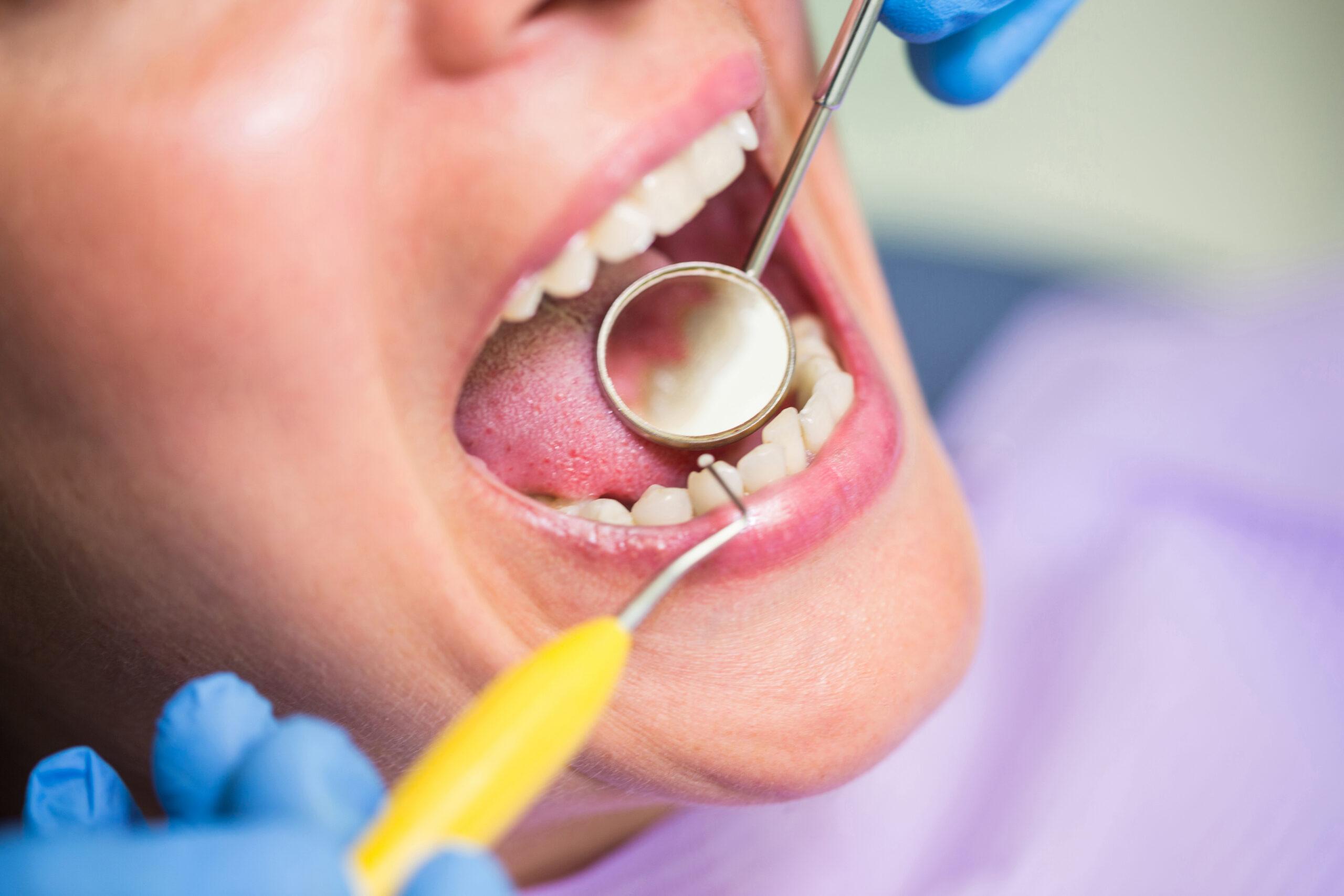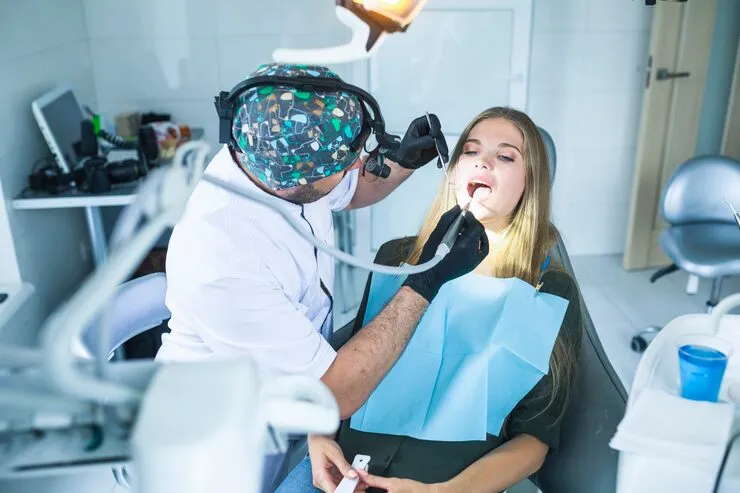
Stress affects your oral health in multiple direct and measurable ways. Chronic stress increases the risk of teeth grinding, gum disease, dry mouth, mouth sores, and poor oral hygiene habits, all of which can lead to serious dental problems if left unaddressed. Many patients do not realize how closely their mental and emotional state is connected to the condition of their teeth and gums until they develop a stress-related oral health problem. If you have noticed changes in your mouth during periods of high stress, speaking with a professional at a Dental Clinic in Alliston, Ontario, can help you identify what is happening and what steps to take.
The connection between stress and oral health is well-documented in dental and medical research. Stress hormones like cortisol suppress the immune system, reduce saliva production, and create a physiological environment in the mouth that promotes bacterial growth and inflammation. These effects are compounding, meaning that each symptom often worsens others. For proactive Dental Care in Alliston, Ontario, Dominion Street Dental offers thorough assessments that identify stress-related oral health concerns early and develop practical management strategies.
What Is the Relationship Between Stress and Oral Health?
The body responds to stress by releasing cortisol and adrenaline. While these hormones are useful in short bursts, chronic stress keeps them elevated for extended periods. Cortisol specifically has a suppressive effect on the immune system, which reduces the body’s ability to fight off the bacteria that cause gum disease and tooth decay. At the same time, stress often triggers behavioral changes such as poor sleep, neglected hygiene routines, increased alcohol or tobacco use, and high sugar intake, all of which compound the oral health impact.
Key Ways Stress Damages Your Oral Health
Bruxism: Teeth Grinding and Jaw Clenching
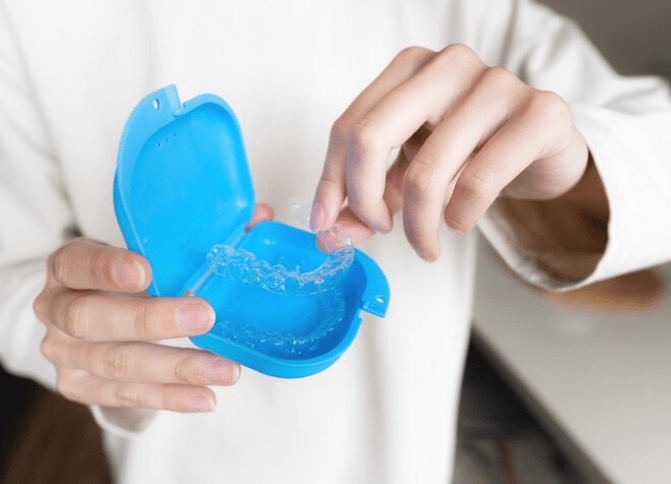
Bruxism is one of the most common oral health consequences of stress. Many people grind or clench their teeth unconsciously during the night when stress is high, and some do it during waking hours without realizing it. The forces generated by grinding significantly exceed those of normal chewing and can cause enamel wear, tooth fractures, jaw pain, headaches, and damage to existing dental restorations. A custom nightguard is the most effective protective intervention for bruxism.
Gum Disease (Periodontal Disease)
Research has consistently shown that chronic stress increases susceptibility to periodontal disease. When cortisol suppresses the immune response, the gum tissue becomes less effective at fighting the bacteria that accumulate along and below the gumline. This allows bacterial populations to grow unchecked, leading to gum inflammation (gingivitis) and, if untreated, deeper infection of the tissues and bone supporting the teeth (periodontitis).
Dry Mouth (Xerostomia)
Stress activates the sympathetic nervous system, which reduces saliva production and shifts the balance of saliva composition. Dry mouth is uncomfortable and also clinically significant: saliva plays a critical role in neutralizing acids, washing away food particles, and controlling bacterial populations. A dry mouth environment is much more hospitable to the bacteria that cause both decay and gum disease.
Canker Sores and Mouth Ulcers
Canker sores (aphthous ulcers) are small, painful lesions that form on the soft tissues inside the mouth. Their exact cause is not fully understood, but stress is a recognized trigger. Many patients notice that they develop canker sores during particularly stressful periods and that the sores heal once the stress resolves. Frequent or unusually large ulcers warrant professional evaluation to rule out other causes.
Neglected Oral Hygiene
High stress often disrupts daily routines, and oral hygiene is one of the first habits to slip. Patients under significant stress frequently report skipping flossing, rushing through brushing, or missing dental appointments. Even brief periods of poor hygiene during high-stress times can allow plaque to accumulate at a rate that damages enamel and gum tissue in ways that require professional treatment to correct.
Temporomandibular Joint (TMJ) Disorders
The temporomandibular joint connects the jaw to the skull and is responsible for all jaw movement. Stress-related clenching and grinding place excessive force on this joint and the surrounding muscles, which can lead to jaw pain, clicking or popping sounds, limited mouth opening, and earaches. TMJ dysfunction is a complex condition that benefits from early professional assessment.
Understanding the specific ways stress manifests in the mouth gives you a practical framework for protecting your oral health even during the most demanding periods of your life. A caring Dentist in Alliston, Ontario will evaluate your complete picture, from the condition of your enamel to the health of your gum tissue, to identify whether stress may be a contributing factor in any symptoms you have been experiencing.
Signs That Stress Is Affecting Your Oral Health
• Waking up with jaw soreness, headaches, or facial muscle tension.
• Flat or worn-looking tooth surfaces on the back teeth.
• Increased tooth sensitivity without a clear cause.
• Gum tissue that bleeds easily during brushing or flossing.
• A persistently dry or uncomfortable mouth throughout the day.
• Recurring canker sores or ulcers inside the lips or cheeks.
• Cracked or chipped teeth that were previously intact.
• Jaw clicking, locking, or discomfort when eating.
Step-by-Step Approach to Protecting Your Oral Health During Stress
1. Maintain your brushing and flossing routine regardless of how busy or fatigued you feel. Two minutes of brushing twice daily and one session of flossing is non-negotiable during high-stress periods.
2. Stay hydrated throughout the day. Water counteracts dry mouth and helps maintain the saliva needed for enamel protection and bacterial control.
3. Avoid stress-related habits that harm oral health, including excessive coffee, alcohol, tobacco, and sugary snack foods that feed the bacteria responsible for decay.
4. Talk to your dentist about a nightguard if you grind or clench your teeth. This is the most effective single intervention for bruxism-related damage.
5. Keep dental appointments even when your schedule is demanding. Routine cleanings and checks catch stress-related deterioration before it becomes costly to treat.
5. Address gum changes promptly. Bleeding gums during a stressful period are a warning sign that should be assessed by a professional rather than dismissed.
6. Consider stress management strategies like physical activity, adequate sleep, and mindfulness practices, which have documented positive effects on overall and oral health.
Professional Advice: What Your Dentist Can Do
A dentist who understands the stress-oral health connection can provide targeted interventions. For bruxism, a custom nightguard redistributes grinding forces and protects enamel while you sleep. For gum disease progression during stress, professional scaling and root planing removes bacteria from below the gumline that home care cannot reach. For dry mouth, your dentist may recommend specific saliva-stimulating products, prescription fluoride, or dietary adjustments to compensate for reduced salivary protection.
Regular dental checkups during high-stress life periods allow your dental team to catch developing problems before they escalate. A proactive relationship with your dentist is one of the most valuable resources you have for maintaining your oral health through difficult life seasons.
Common Patient Mistakes When Stress Affects Oral Health
• Skipping dental appointments thinking the situation will resolve on its own once stress decreases. Gum disease and enamel wear do not self-correct without professional intervention.
• Self-diagnosing as fine because there is no pain. Many stress-related oral health problems, including early gum disease and bruxism-caused enamel wear, are painless in their early stages.
• Using over-the-counter mouthwash as a substitute for brushing and flossing during rushed routines. Mouthwash does not remove plaque and cannot replace mechanical cleaning.
• Ignoring canker sores. While most resolve on their own, recurrent or unusually large sores should be assessed.
Prevention and Long-Term Maintenance
• Attend professional cleanings every six months so your hygienist can remove tartar buildup that home care misses and assess gum and tissue health.
• Discuss your stress levels honestly with your dental team. This context helps them look for the right signs and offer the most relevant protective advice.
• Use a fluoride toothpaste to strengthen enamel that may be under attack from acid-producing bacteria during periods of reduced saliva.
• If you are on medication that causes dry mouth as a side effect, inform your dentist so they can adjust your preventive care accordingly.
Frequently Asked Questions
Q1. Can stress cause a tooth to crack without any physical impact?
Yes. Chronic bruxism driven by stress generates bite forces that can crack teeth over time without any external blow. These cracks often develop gradually and may not become painful until the fracture reaches the nerve or causes a piece of the tooth to break away. This is one of the most clinically significant consequences of untreated stress-related grinding.
Q2. How do I know if I grind my teeth at night?
Many people who grind their teeth during sleep are unaware of it until told by a partner or until their dentist identifies characteristic wear patterns on their tooth surfaces. Common symptoms include morning jaw soreness, frequent headaches originating at the temples, increased tooth sensitivity, and visible flat spots on the biting surfaces of the back teeth.
Q3. Will my gum disease go away when my stress does?
Stress worsens the progression of gum disease, but reducing stress alone will not reverse existing gum disease. Once bacteria have established themselves below the gumline and caused tissue damage, professional treatment is required to remove the bacterial deposits and allow the tissue to heal. Stress reduction is an important complementary factor but not a replacement for clinical care.
Q4. Can stress cause tooth decay?
Indirectly, yes. Stress contributes to decay through multiple pathways: reduced saliva (which neutralizes acid and washes away bacteria), increased consumption of sugary comfort foods and beverages, disrupted brushing and flossing routines, and a suppressed immune response to oral bacteria. Together, these factors create a mouth environment that is significantly more vulnerable to cavity formation.
Q5. What can I use to manage dry mouth from stress?
Staying well hydrated is the first step. Chewing sugar-free gum stimulates saliva production and can help during the day. Avoid caffeine, alcohol, and tobacco, which all reduce salivary flow. Your dentist may recommend prescription fluoride products, specific saliva-stimulating rinses, or oral moisturizing gels if dry mouth is severe or persistent.
Conclusion
Stress affects your oral health in ways that are both immediate and cumulative. Teeth grinding, gum disease, dry mouth, and neglected hygiene habits are all common consequences that can lead to serious dental damage if not addressed. Recognizing the signs early, maintaining your hygiene routine through difficult periods, and keeping regular dental appointments are the most important steps you can take to protect your smile when life is at its most demanding.
Dominion Street Dental, at 46 Dominion St, Alliston, ON L9R 1L5, is one of the best dental clinics in Alliston, Ontario and takes a whole-patient approach to dental care that recognizes the real impact of lifestyle and stress on oral health. Contact the Dental Practice in Alliston, Ontario at (705) 410-0961 or domdentalinfo@gmail.com to book a comprehensive evaluation.