Many widely held dental myths lead people to make choices that actively harm their oral health or cause them to delay treatment that would otherwise be straightforward and inexpensive. These misconceptions range from the belief that dental appointments are only necessary when pain is present to the idea that baby teeth do not merit the same care as permanent ones. Sorting dental fact from popular fiction starts with reliable information from a professional team, and patients in Alliston who want accurate, evidence-based guidance can access it at a trusted Dental Clinic in Alliston, Ontario where the team is committed to patient education as a core part of every visit.
Dental myths persist because they often contain a kernel of truth, align with what people would prefer to believe, or are passed down through generations before better evidence is available. The cost of acting on misinformation is real: delayed treatment when a problem is still minor, habits that quietly damage teeth over years, and missed screening opportunities that would catch serious conditions early. Replacing myths with accurate understanding is one of the most valuable things a dental professional can offer their patients.
Myth: You Only Need to See a Dentist When Something Hurts
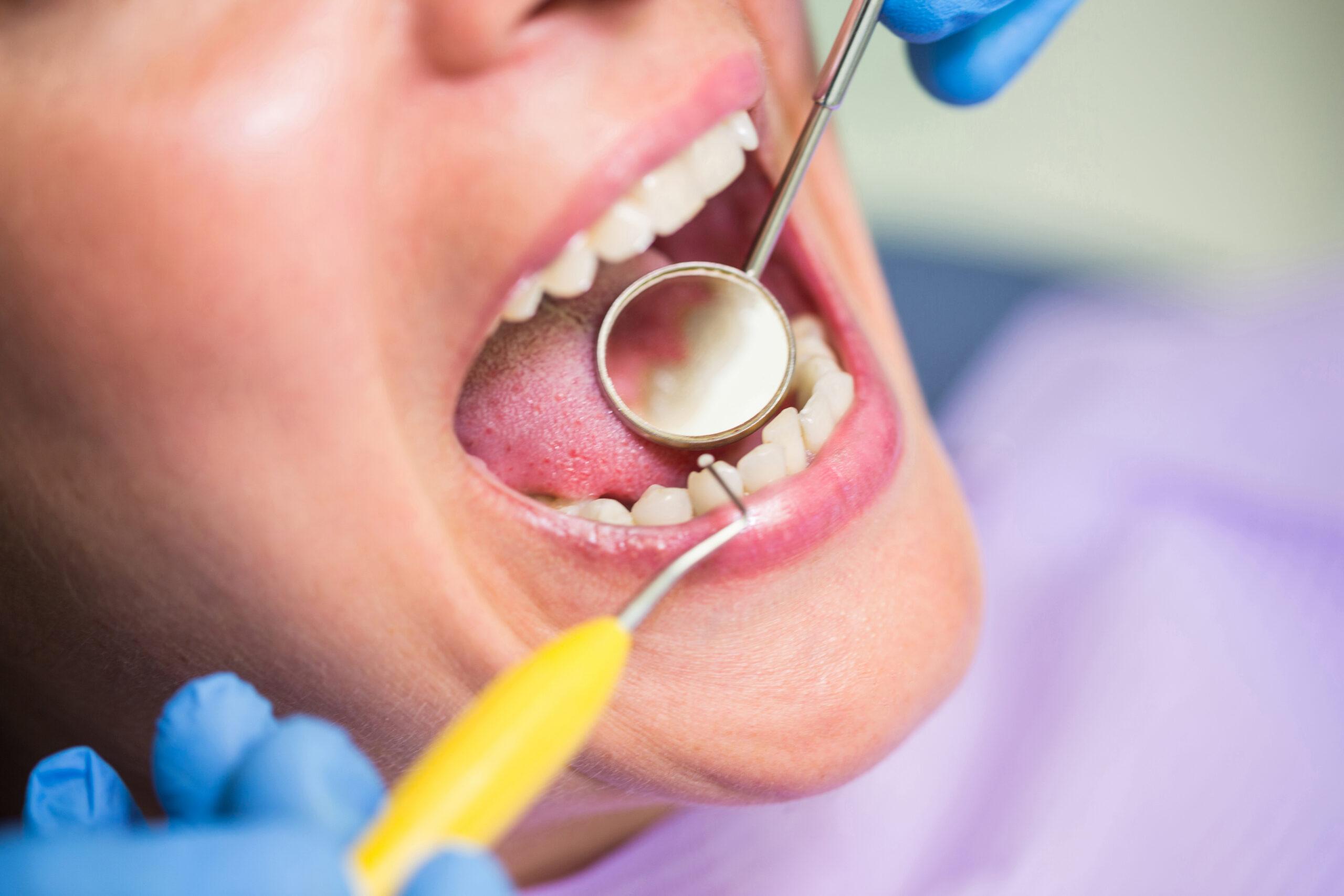
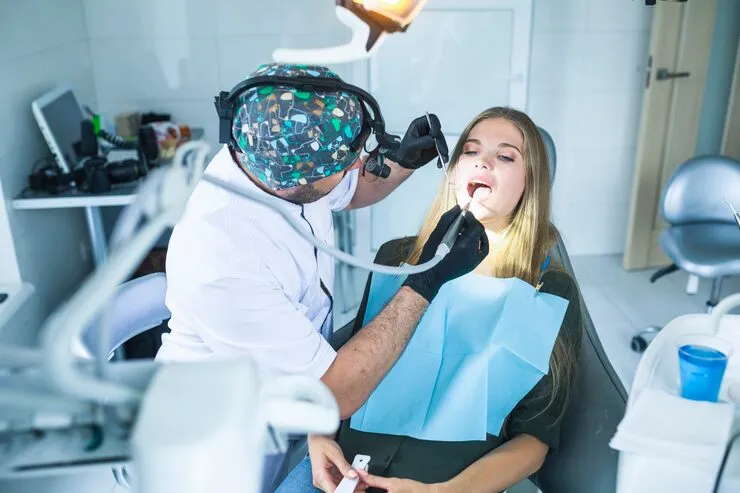
This is perhaps the most damaging myth in dental health because it encourages exactly the opposite of evidence-based preventive care. Dental decay, gum disease, and even early oral cancer are largely silent in their initial stages. Pain is a late-stage symptom that typically indicates significant structural damage to a tooth or advanced infection in the gum tissue. By the time a toothache develops, a simple cavity has usually become a situation requiring a root canal or crown. Regular professional check-ups through trusted Dental Care in Alliston, Ontario at Dominion Street Dental, 46 Dominion St, Alliston, ON L9R 1L5, allow the team to identify and treat problems at their earliest stages, when intervention is straightforward and outcomes are best.
Myth: Baby Teeth Do Not Matter Because They Fall Out
Primary teeth serve several important developmental functions that extend far beyond their temporary presence in the mouth. They hold space in the jaw for the permanent teeth that will follow, guiding them into proper position as they erupt. They support normal speech development during the years when language skills are being established. They allow children to eat a nutritious and varied diet during critical growth periods. Decayed baby teeth cause real pain, can contribute to infection, and when lost early, allow neighboring teeth to drift and block the space needed for the permanent tooth, creating orthodontic problems that require correction later.
Myth: The Harder You Brush, the Cleaner Your Teeth
Dental plaque is a soft, loosely adherent bacterial film that is easily disrupted by gentle contact with a toothbrush. The force required to remove it effectively is considerably less than what most people instinctively apply. Vigorous scrubbing does not remove more plaque; it simply causes physical trauma to the gum tissue and abrades the enamel surface over time. Experienced Dentist in Alliston, Ontario professionals examine the teeth for the wedge-shaped notches at the gumline that are a hallmark of toothbrush abrasion and counsel patients on the correct technique: a 45-degree angle to the gumline, small circular or back-and-forth strokes, and gentle consistent pressure for two full minutes.
Myth: Flossing Creates Gaps Between Teeth
This misconception almost certainly originates from the sensation of floss passing through tight contact points or the sight of gum bleeding when someone begins flossing after a prolonged absence from the habit. Daily flossing does not widen the spaces between teeth. It removes plaque and food debris from these spaces before they can calcify into tartar and contribute to gum disease. Patients who avoid flossing because they believe it widens their teeth are leaving the highest-risk areas in the mouth completely uncleaned every day.
Myth: Teeth Whitening Damages Enamel
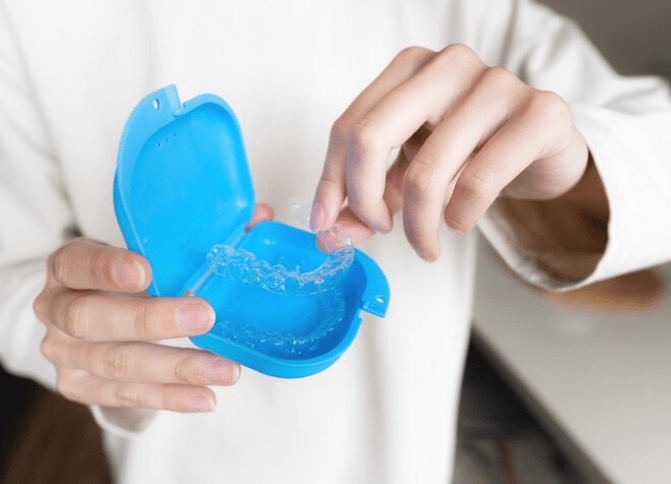
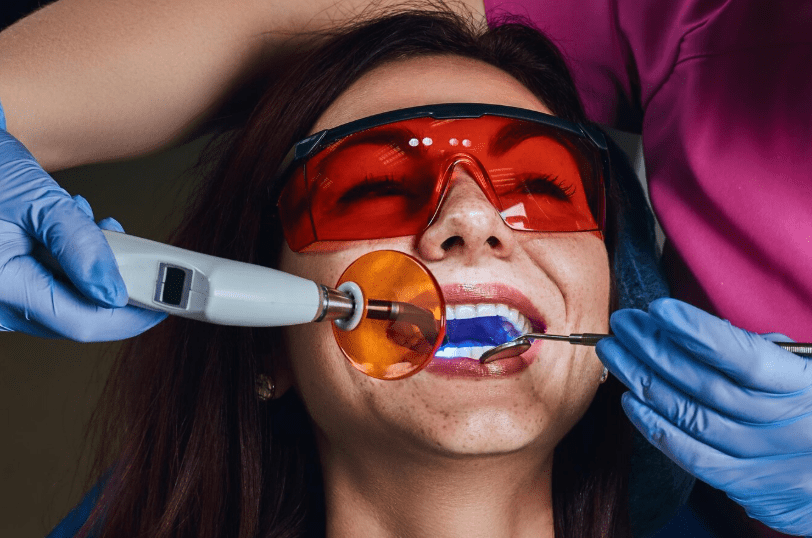
Professional teeth whitening using hydrogen peroxide or carbamide peroxide gels, when conducted as directed, does not damage the enamel or create permanent structural changes to the tooth. The whitening agent oxidizes the pigmented compounds within the enamel and dentin without altering the mineral structure of the tooth. Some patients experience temporary sensitivity during or immediately after treatment, which typically resolves within forty-eight to seventy-two hours. Dominion Street Dental, the trusted Dental Practice in Alliston, Ontario for cosmetic and preventive dental care in Alliston, provides pre-whitening enamel assessments to confirm that the treatment is appropriate for each patient’s specific enamel condition before proceeding.
Myth: Gum Bleeding Means You Should Brush Less
Gum bleeding is a sign of inflammation caused by the bacterial activity in plaque accumulating along the gumline. The appropriate response is to brush more carefully and thoroughly along the gumline, not to avoid it. Consistent twice-daily brushing with a soft brush at the correct angle, combined with daily flossing, reduces bacterial levels and gum inflammation within one to two weeks in most cases of gingivitis, and the bleeding resolves as the tissue heals. If bleeding persists despite consistent home care, a dental evaluation is needed to assess for periodontitis.
Myth: Dental Problems Are Separate From General Health
The connection between oral health and systemic health is one of the most compelling findings in modern medical research. Chronic gum disease has been associated with increased cardiovascular risk, more difficult blood sugar management in diabetic patients, adverse pregnancy outcomes, and emerging evidence of links to cognitive health. Bacteria from infected oral tissue enter the bloodstream and trigger systemic inflammatory responses. Far from being an isolated system, the mouth is deeply integrated with the body’s overall health status. Patients visiting Dominion Street Dental for services including those described on the Sports Mouth Guards in Alliston, Ontario page can also expect their dental team to consider and discuss these broader health connections as part of their comprehensive care.
Myth: Oral Cancer Is Rare and Only Affects Smokers
Oral cancer is more common than many patients realize, with thousands of new cases diagnosed in Canada each year. While tobacco and alcohol use significantly elevate risk, oral cancers linked to human papillomavirus (HPV) infection are increasing in frequency among non-smokers, including younger adults. Regular oral cancer screenings during routine dental check-ups are a brief, painless, and potentially life-saving component of comprehensive dental care that every adult should receive regardless of perceived personal risk.
How Dental Myths Spread and How to Counter Them
Dental myths spread through social networks, well-intentioned but outdated family advice, and the rapid dissemination of health misinformation on social media platforms. The most reliable counter is a direct conversation with a qualified dental professional who can explain the evidence behind current recommendations and answer questions specific to the patient’s own situation. Patients are always encouraged to ask questions during appointments.
Frequently Asked Questions
Is it true that sugar is the direct cause of cavities?
Sugar does not directly cause cavities. What it does is feed the specific bacteria in the mouth, primarily Streptococcus mutans, that metabolize sugars and produce lactic acid as a byproduct. It is this acid that dissolves the enamel mineral. Any fermentable carbohydrate, not just refined sugar, can fuel this process. The frequency of consumption matters more than the amount: snacking on sugary foods throughout the day is far more damaging than consuming the same amount in one sitting.
Do wisdom teeth always cause crowding?
The evidence that wisdom teeth cause front tooth crowding is actually quite limited. Crowding occurs independently of wisdom tooth presence due to the natural aging of the dental ligaments and the jaw. Wisdom teeth are removed when they are impacted, infected, causing damage to adjacent teeth, or creating chronic pericoronitis, not simply to prevent crowding that would likely occur regardless.
Is it true that dental X-rays are unsafe?
Modern digital dental X-rays deliver a radiation dose comparable to or less than the natural background radiation a person receives from the environment on a single day. The diagnostic benefit of identifying cavities, bone changes, and developing abnormalities far outweighs this minimal exposure. Protective lead aprons and collimators are used to minimize any scatter radiation further.
Does whitening damage teeth permanently?
Professionally supervised whitening using approved peroxide-based products does not damage teeth permanently. Temporary sensitivity is common and resolves quickly. Overuse of highly abrasive at-home products, particularly those containing activated charcoal, carries more realistic risk of enamel scratching, which is a reason those products are not recommended for regular use.
Is a loose tooth in an adult always a sign of gum disease?
A loose adult tooth can result from advanced gum disease, which is the most common cause, but also from dental trauma, bite problems, clenching or grinding, or in rare cases from systemic bone conditions. Regardless of the cause, a loose permanent tooth in an adult is a dental concern requiring evaluation. With prompt treatment, many loose teeth can be stabilized and preserved.
Conclusion
Dental myths are common, understandable in their origins, and correctable with good information. Replacing misinformation with accurate, evidence-based understanding allows every patient to make choices that genuinely protect their smile over the long term. Dominion Street Dental is one of the best dental clinics in Alliston, Ontario, and the team is always ready to answer questions and provide the facts behind the recommendations they make. Call (705) 410-0961 or email domdentalinfo@gmail.com to book your next visit.