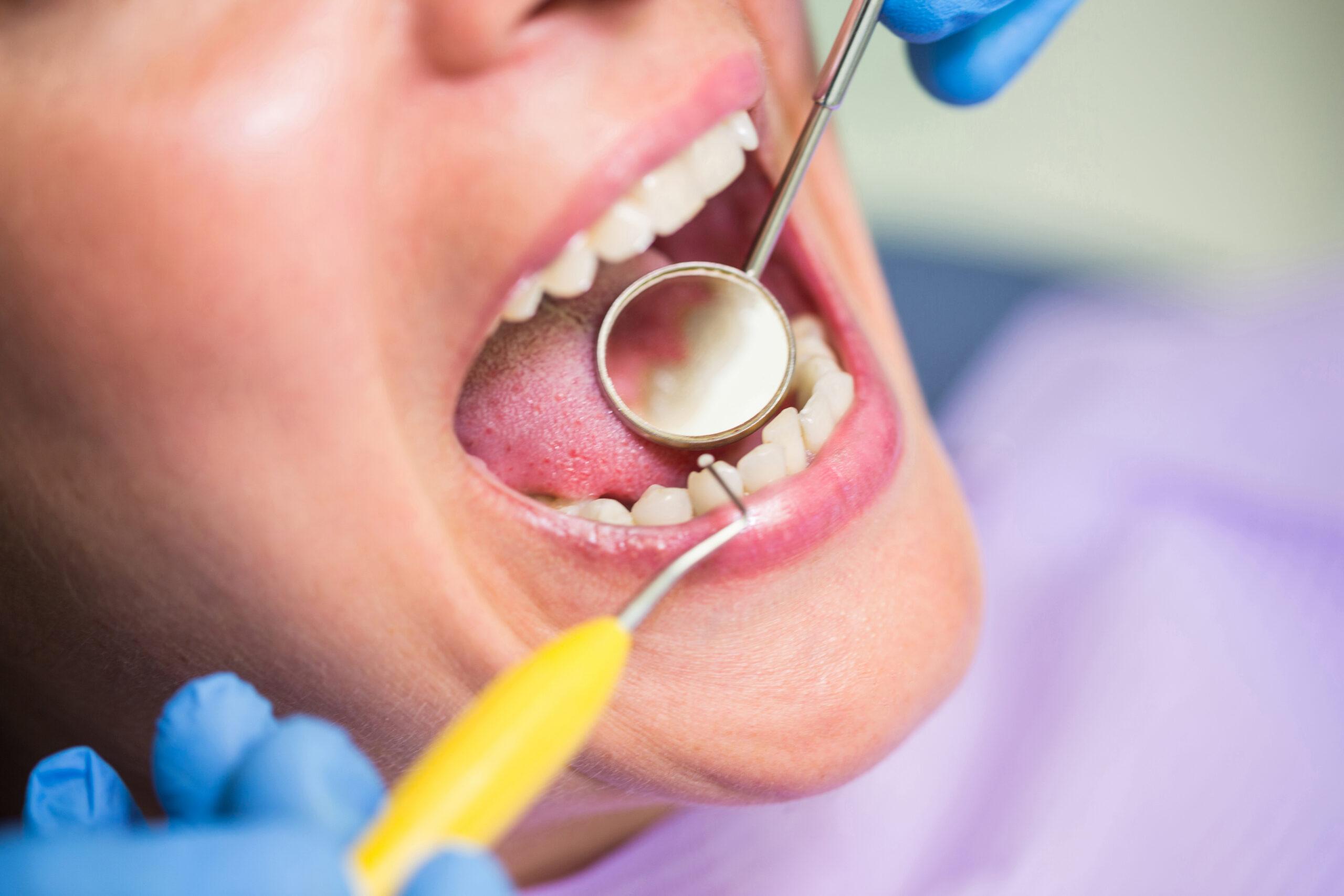
Yellow teeth can often be improved through a combination of better oral hygiene habits, dietary changes, and evidence-based natural approaches such as oil pulling and baking soda use. However, for staining that is deep within the tooth structure or that has developed from internal causes, natural methods alone are rarely sufficient and professional treatment will achieve far better results. If you are concerned about the color of your teeth and want to understand what is causing the discoloration and what will actually address it, visiting a Dental Clinic in Alliston, Ontario, is the most accurate and effective starting point.
The color of your teeth is influenced by both the outer enamel layer and the inner dentin layer. Natural approaches to whitening primarily address surface staining (extrinsic discoloration) on the enamel, while internal staining (intrinsic discoloration) that has penetrated the dentin requires professional bleaching agents or restorative treatment to address. Understanding the type of discoloration you have helps set realistic expectations for what natural methods can achieve. For thorough Dental Care in Alliston, Ontario, Dominion Street Dental provides comprehensive smile assessments that identify the source of discoloration and recommend the most effective treatment approach for your specific situation.
What Causes Yellow Teeth?
Tooth discoloration can be divided into extrinsic (surface) staining and intrinsic (internal) staining, and natural treatment approaches are relevant primarily to the former.
Extrinsic Discoloration (Surface Staining)
Extrinsic staining occurs when pigmented compounds from food, beverages, or tobacco adhere to the enamel surface and the thin protein layer covering it (the acquired pellicle). Common culprits include coffee, black tea, red wine, dark berries, soy sauce, and tobacco products. These stains accumulate gradually and are often responsive to professional cleaning and some natural cleaning methods.
Intrinsic Discoloration (Internal Staining)
Intrinsic staining occurs within the dentin and enamel structure itself. Causes include antibiotic exposure during tooth development (particularly tetracycline), excessive fluoride intake during childhood (dental fluorosis), natural aging (as enamel thins and the yellowish dentin becomes more visible), trauma that affects the nerve, and systemic conditions. Natural approaches cannot meaningfully address intrinsic staining.
Evidence-Based Natural Approaches to Reducing Surface Staining
Consistent and Thorough Brushing
The most effective and evidence-supported natural approach to preventing and reducing surface staining is thorough brushing twice daily with a fluoride toothpaste. Brushing removes the surface pellicle and its embedded stain compounds before they adhere permanently to the enamel. Using a soft-bristled brush and proper technique along the gumline where stains tend to accumulate is particularly important.
Baking Soda (Sodium Bicarbonate)
Baking soda is a mild abrasive that can help remove surface stains through gentle mechanical polishing. It is an ingredient in several commercially available whitening toothpastes for this reason. Research supports a modest whitening effect from baking soda toothpastes compared to those without it. Using pure baking soda as a paste applied directly to the teeth a few times per week is a common natural approach, though the abrasive effect should be managed carefully to avoid enamel thinning with overuse.
Oil Pulling
Oil pulling involves swishing a tablespoon of edible oil (most commonly coconut oil) in the mouth for 10 to 20 minutes before brushing. Traditionally practiced in Ayurvedic medicine, oil pulling has gained attention in dental circles for its antibacterial properties. Some limited clinical research suggests it may reduce bacteria and surface plaque, which could contribute indirectly to a cleaner, less-stained surface. It is considered safe when used as an adjunct to standard oral hygiene, though not as a replacement for it.
Dietary Modification
Reducing the frequency and volume of staining beverages is one of the most effective long-term strategies for a brighter smile. Drinking coffee and tea through a straw reduces direct contact with the tooth surfaces. Rinsing with water immediately after consuming staining foods dilutes and removes the pigmented compounds before they have time to adhere. Avoiding tobacco eliminates one of the most aggressive sources of surface staining entirely.
Crunchy Fruits and Vegetables
Apples, celery, carrots, and other crunchy produce stimulate saliva production and have a mild mechanical cleaning effect on the tooth surface as they are chewed. These foods are not whitening agents in the chemical sense, but they contribute to a cleaner oral environment that accumulates less staining over time.
Natural Approaches That May Cause Harm
Lemon Juice and Apple Cider Vinegar
These highly acidic substances are sometimes promoted as natural whiteners, but they are among the most damaging things you can apply to your teeth. Their low pH causes direct enamel erosion, softening and removing the mineral structure of the tooth. Any whitening effect is the result of enamel thinning, which exposes more of the yellowish dentin beneath and worsens discoloration in the long run. These substances should never be applied to teeth as a whitening treatment.
Activated Charcoal
Despite widespread popularity, activated charcoal lacks strong clinical evidence for whitening efficacy and has been shown in some studies to be abrasive enough to damage enamel with regular use. It is not recommended by major dental health organizations, and its long-term safety for oral use has not been established.
Turmeric
Turmeric pastes applied to the teeth are another popular natural whitening trend. Turmeric has genuine anti-inflammatory properties, but its intense yellow pigment can paradoxically stain the tooth surface and surrounding oral tissues. There is no credible clinical evidence that turmeric whitens teeth.
Signs That Natural Methods Are Not Enough
• Surface staining persists despite thorough brushing and dietary modifications.
• The discoloration appears gray, brown, or mottled rather than yellow, which often indicates intrinsic staining that natural methods cannot address.
• The yellowing has appeared or worsened after a dental injury, medication use, or during childhood fluoride exposure.
• You want a shade change of more than one to two shades, which exceeds what natural methods can reliably achieve.
• Staining has returned quickly after previous natural treatment attempts.
Natural remedies for yellow teeth are popular, widely discussed, and highly variable in their effectiveness and safety. Some approaches have genuine evidence behind them; others are unsupported by clinical data and carry real risks of enamel damage if used incorrectly. A qualified Dentist in Alliston, Ontario, will help you distinguish between what is safe and effective and what is simply a trend.
When natural approaches are not achieving your whitening goals, professional treatment is the most reliable option. The page for Teeth Whitening in Alliston, Ontario, explains the professional whitening options available at Dominion Street Dental and what each involves in terms of results, timeline, and maintenance.
When to Consider Professional Whitening
Professional whitening uses pharmaceutical-grade hydrogen peroxide at concentrations several times higher than anything available over the counter. Applied professionally with appropriate precautions, these agents can achieve significant shade improvements in a single in-office session or through a course of custom take-home tray treatment. The results are predictable, controlled, and supervised by a dental professional.
Professional whitening is the appropriate choice when: natural approaches have not achieved your goals, the staining is moderate to severe, you have a specific event or timeline motivating your whitening goals, or you want to ensure the treatment is safe and appropriate for the condition of your enamel and gum tissue.
Step-by-Step Natural Whitening Routine
45. Brush twice daily for two full minutes with a fluoride toothpaste. Consider one formulated with baking soda for mild surface stain management.
46. Floss daily to remove stain-causing debris from between the teeth, which also brightens the appearance of the smile by eliminating the dark spaces between teeth.
47. Try oil pulling with coconut oil for 10 to 15 minutes before brushing three to five times per week. Spit into a trash can (not the sink) and brush normally after.
48. Rinse with water immediately after consuming coffee, tea, red wine, or other staining foods and beverages.
49. Reduce or eliminate tobacco use. This is one of the single most impactful changes for reducing tooth staining and overall oral health.
50. Attend professional cleanings every six months for removal of tartar and surface stain that home care cannot address.
Common Mistakes People Make When Trying to Whiten Naturally
• Using lemon juice or apple cider vinegar, which causes enamel erosion rather than whitening.
• Overusing baking soda as a standalone abrasive without fluoride toothpaste, which removes surface stain but also gradually thins enamel without providing remineralization protection.
• Expecting natural methods to address intrinsic discoloration. Natural remedies affect the surface; internal staining requires professional bleaching or restorative coverage.
• Brushing immediately after consuming highly acidic foods or beverages, which abrades enamel in its temporarily softened state.
• Purchasing over-the-counter whitening kits without a dental assessment to ensure the gums and enamel are in appropriate condition for whitening.
Frequently Asked Questions
Q1. How long does it take to see results from natural whitening methods?
Consistent brushing and dietary modifications can reduce surface staining over several weeks to months of regular practice. Baking soda toothpastes may produce modest results within four to six weeks of daily use. Natural methods work slowly and incrementally, and the changes are typically subtle compared to professional whitening.
Q2. Is it safe to use baking soda on teeth every day?
Using baking soda as a toothpaste ingredient daily is generally safe. Using pure baking soda as a polish every day may cause cumulative abrasion over time. Most dental professionals suggest limiting pure baking soda use to a few times per week and relying on a fluoride toothpaste for daily brushing to ensure enamel remineralization alongside the mechanical cleaning.
Q3. Can yellow teeth become white again without professional treatment?
Mild extrinsic surface staining can be meaningfully reduced through thorough home care, dietary modifications, and natural approaches. However, true whiteness, particularly for teeth that are naturally more yellow due to dentin color, thin enamel, or intrinsic staining, typically requires professional bleaching. Natural methods improve the surface; they do not change the underlying color of the tooth structure.
Q4. Does charcoal toothpaste work for whitening?
The evidence for charcoal toothpaste whitening efficacy is weak, and several dental organizations have raised concerns about its abrasiveness. Some studies have found that charcoal toothpastes can cause enamel damage with regular use. Most dental professionals recommend sticking with fluoride toothpaste and, if desired, one formulated with baking soda, rather than charcoal products.
Q5. How often should I have a professional cleaning to maintain a brighter smile?
Professional cleanings every six months are sufficient for most patients. The cleaning removes calculus and surface stain that home care cannot address, and the polishing step leaves teeth noticeably smoother and often a shade brighter. Patients who consume large amounts of coffee, tea, or tobacco may benefit from more frequent cleanings to manage stain accumulation between visits.
Conclusion
Natural approaches to treating yellow teeth can produce meaningful improvements in surface staining when practiced consistently and correctly. Thorough brushing, dietary modifications, oil pulling, and baking soda use are the most evidence-supported of these methods and are safe when used appropriately. For deeper discoloration or more significant shade changes, professional whitening remains the most reliable and safest path to a noticeably brighter smile. Dominion Street Dental at 46 Dominion St, Alliston, ON L9R 1L5, one of the best dental clinics in Alliston, Ontario, is available at (705) 410-0961 and domdentalinfo@gmail.com to discuss your whitening goals and recommend the best approach. The Dental Practice in Alliston, Ontario takes a personalized approach to cosmetic and preventive dental care.