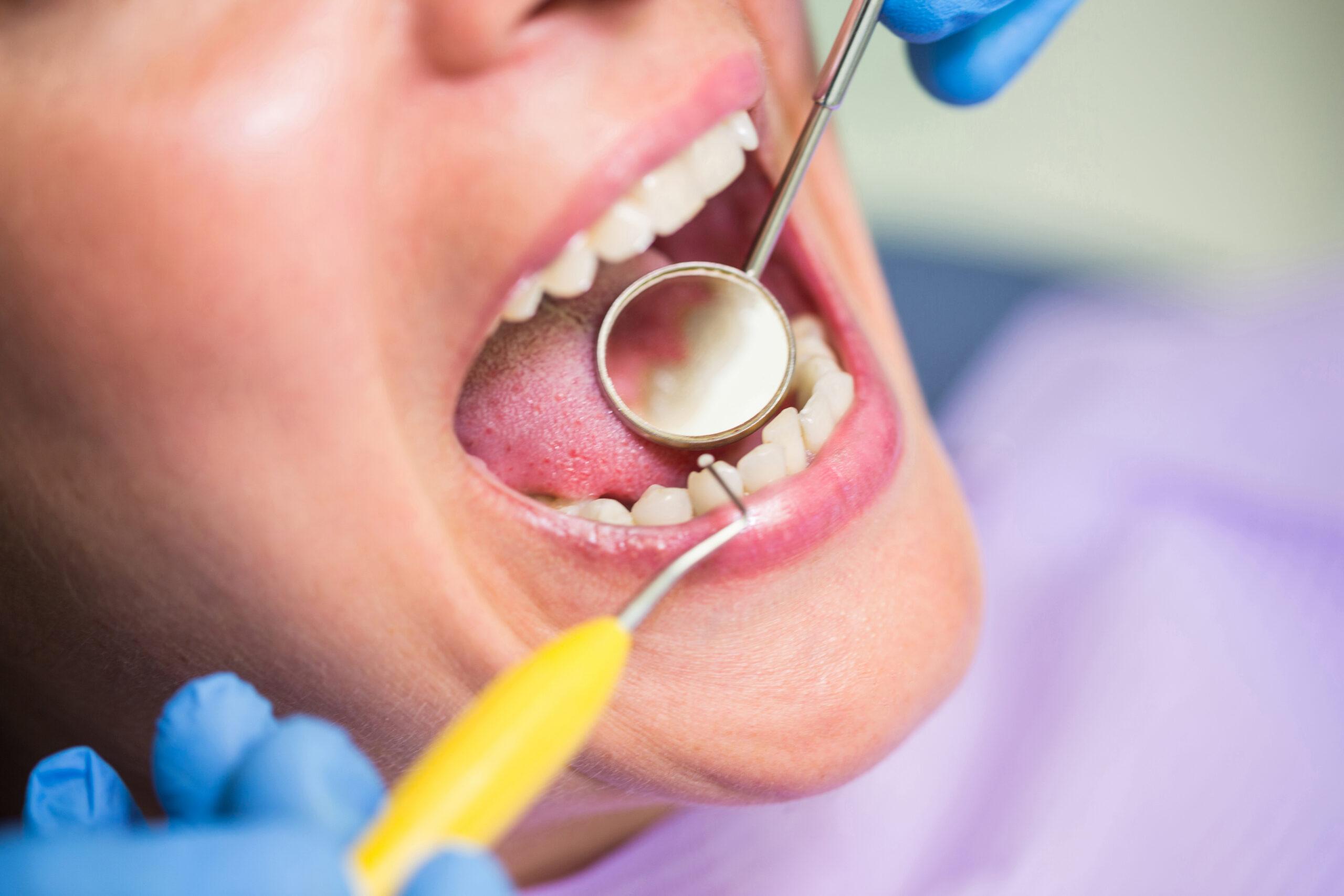
Cavities can only be reversed in their very earliest stage, before the enamel surface has physically broken down, through a natural process called remineralization. Once a cavity has progressed to the point where the enamel structure collapses and a physical hole forms in the tooth, it cannot heal on its own and requires professional restorative treatment to repair. Patients who notice early signs of dental decay or experience new tooth sensitivity should visit a trusted Dental Clinic in Alliston, Ontario in Alliston promptly, as early treatment is dramatically simpler, less expensive, and less invasive than treatment at later stages.
The most important thing for patients to understand about cavities is that pain is not a reliable early warning system. The outer enamel layer has no nerve supply, meaning the cavity can advance through the full depth of the enamel without producing any discomfort whatsoever. By the time a toothache develops, the decay has typically reached the dentin or approached the dental pulp, requiring more extensive treatment than a simple filling. This is why regular professional examinations that include X-ray imaging are the only reliable method for catching cavities at their earliest, most treatable stages.
The Stages of Cavity Development
Understanding how cavities progress from initial mineral loss to full structural breakdown makes it clear why the window for natural reversal is narrow and why early professional intervention is so important. Dominion Street Dental’s approach to Dental Care in Alliston, Ontario in Alliston prioritizes early detection through regular clinical examinations and updated X-rays, allowing the team to identify decay at the earliest reversible stage and monitor it carefully before deciding whether active treatment or enhanced preventive measures are the most appropriate response.
Stage 1: White Spot Lesion (Reversible)
The first visible sign of developing decay is a chalky white spot on the enamel surface. This represents an area of localized mineral loss where acid-producing bacteria have dissolved calcium and phosphate ions from the enamel without yet breaking through the surface. At this stage, the cavity is genuinely reversible. Consistent fluoride application from toothpaste and professional treatments, reduced acid exposure, and improved plaque removal can supply the minerals needed to remineralize the weakened area and restore the enamel to normal density.
Stage 2: Enamel Cavitation (Requires Filling)
When demineralization outpaces remineralization, the enamel surface eventually collapses. A visible pit or hole forms in the tooth, and from this point forward, the damage cannot heal on its own. The bacteria now have direct access to the interior of the tooth and will continue to advance. A composite resin or other appropriate filling material is needed to restore the missing tooth structure and seal the bacteria out.
Stage 3: Dentin Involvement
Decay that reaches the dentin beneath the enamel spreads more rapidly because dentin is softer and more porous than enamel. Patients often begin to notice sensitivity to sweet, cold, or hot stimuli at this stage. The size of the filling needed is larger, and in some cases a crown may be required if the cavity has compromised a significant portion of the tooth structure.
Stage 4: Pulp Involvement
Once decay reaches the dental pulp, the soft tissue containing the nerves and blood vessels at the center of the tooth, a toothache typically develops. The pulp becomes infected and inflamed. Root canal treatment is usually required to remove the infected tissue, clean and shape the canals, and seal the tooth, followed by crown placement to restore structural integrity.
What Remineralization Can and Cannot Do
Remineralization is a real and clinically significant process, but its scope is limited to the pre-cavitation stage. A qualified Dentist in Alliston, Ontario can identify early lesions on X-rays and during clinical examination and determine whether a lesion has cavitated or remains at the white spot stage where remineralization can work. This distinction drives the treatment decision: active cavity requires a filling, while a true white spot lesion can be treated with fluoride, dietary counselling, and enhanced home care alongside careful monitoring.
Fluoride’s Central Role in Remineralization
Fluoride is the most clinically proven remineralization agent available. It integrates into the demineralized enamel crystal structure and forms fluorapatite, a mineral that is significantly more resistant to future acid attack than the original hydroxyapatite. Fluoride is delivered through fluoride toothpastes at home and through professional fluoride varnish applications at dental appointments. High-risk patients benefit from prescription-strength fluoride toothpaste that provides a much greater mineral supply to vulnerable areas with each application.
How Regular Examinations Catch Cavities Before They Hurt
The most important practical action a patient can take to benefit from the remineralization window is to attend regular professional examinations where early lesions can be detected. Dominion Street Dental, the trusted Dental Practice in Alliston, Ontario for patients throughout Alliston and surrounding communities, uses digital X-rays that detect interproximal cavities forming between the teeth, clinical probing to identify softened enamel areas on the chewing surfaces, and intraoral examination to spot white spot lesions before they cavitate. Call the clinic at (705) 410-0961 or email domdentalinfo@gmail.com to schedule your comprehensive examination.
When Advanced Cavity Treatment Is Needed
For patients who arrive with significant decay requiring root canal treatment or crowns, or who need a full assessment of their dental health alongside treatment, Dominion Street Dental provides comprehensive restorative and cosmetic services, including those featured on the clinic’s Teeth Whitening in Alliston, Ontario page. Restoring teeth damaged by advanced decay often involves coordinating multiple treatment phases, and the clinic’s team supports patients through every step from diagnosis through final restoration to ongoing maintenance.
Common Mistakes Patients Make With Cavities
• Waiting for pain to develop before booking a dental appointment, by which point extensive treatment is usually required
• Believing that a small cavity that does not hurt is safe to ignore indefinitely
• Skipping professional X-rays at routine appointments, removing the most reliable tool for early detection
• Using a highly acidic dental product such as undiluted apple cider vinegar in the belief that it helps, when it actively accelerates enamel breakdown
• Stopping a treatment course midway due to the absence of discomfort, leaving the repair incomplete
Frequently Asked Questions
How does a dentist know if a cavity has cavitated or is still at the white spot stage?
Clinical examination under good lighting with a dental probe identifies surface softness that indicates cavitation. Digital X-rays reveal interproximal lesions and assess the depth of decay in relation to the dentin. Some practices also use laser cavity detection devices that measure the optical properties of the enamel to detect demineralized areas before they are visible to the naked eye.
Can a cavity under an existing filling be reversed?
No. Decay forming at the margins of an existing filling, called secondary or recurrent caries, has already cavitated and requires replacement of the old filling with a new, properly sealed restoration. This is one of the most common reasons for filling replacement and is identified on routine X-rays.
Is there a natural supplement that prevents cavities?
Calcium and phosphate in the diet support the mineral supply for remineralization, and fluoride from fluoridated water and toothpaste is the most reliably effective preventive tool. Xylitol, a sugar alcohol found in some gums, mints, and oral care products, has clinical evidence for reducing the population of cavity-causing bacteria. None of these replace the need for brushing, flossing, and professional care, but they are useful complements to a complete oral health routine.
Can a cavity disappear between dental appointments?
A true cavity, meaning one where the enamel has physically broken down, cannot disappear. Early white spot lesions can remineralize and become less visible or clinically undetectable with proper treatment and monitoring. This is why the distinction between a lesion that has cavitated and one that has not is so clinically important.
What filling material is best for cavities in visible teeth?
Tooth-colored composite resin is the standard material for cavities in visible teeth because it matches the natural tooth color and bonds directly to the tooth structure, requiring less healthy tooth removal than older amalgam fillings. For large restorations on posterior teeth subject to heavy chewing forces, ceramic inlays or gold restorations offer superior durability in some situations. Your dentist will recommend the most appropriate material based on the size and location of the cavity.
Conclusion
The natural ability to reverse early cavities is a valuable biological resource, but it has real limits. Acting on early detection through regular professional appointments and maintaining the fluoride and dietary habits that support remineralization is the most effective strategy for keeping treatment simple and preventing the progression to stages that require root canals or crowns. Dominion Street Dental is one of the best dental clinics in Alliston, Ontario. Call (705) 410-0961 or email domdentalinfo@gmail.com to book your examination today.