Non-surgical gum treatment is a set of professional dental procedures designed to treat gum disease without the need for surgery. It works by removing plaque, tartar, and bacteria from below the gumline to stop infection, reduce inflammation, and allow the gums to heal and reattach to the teeth. Gum disease is extremely common and, when caught early, is very manageable without invasive procedures. If you have noticed bleeding gums, persistent bad breath, or gum sensitivity, these are signs worth discussing with a professional at a trusted Dominion Street Dental Alliston, where patients receive thorough gum assessments as part of routine care.
The most widely used non-surgical approach is scaling and root planing, often called a “deep cleaning.” Unlike a standard cleaning that addresses the tooth surface above the gumline, scaling and root planing goes deeper into the periodontal pockets to clear out infection-causing deposits. This procedure is typically the first-line recommendation for mild to moderate gum disease therapy before any surgical options are considered.
At a reputable dental clinic in Alliston, non-surgical gum treatment is performed by licensed dental professionals registered with the Royal College of Dental Surgeons of Ontario (RCDSO). This ensures patients receive safe, evidence-based care tailored to their specific condition. Proper diagnosis always comes before treatment, which is why a full check-up and cleaning is essential before any periodontal plan is established.
For families seeking consistent gum care across all age groups, including children, preventive family dentistry programs provide the ongoing monitoring needed to catch gum problems before they escalate. Early intervention is always the most effective strategy for long-term gum health.
Understanding Gum Disease: Why Non-Surgical Treatment Matters
Gum disease progresses in stages. It begins as gingivitis, which is inflammation of the gums caused by plaque buildup. At this stage, the damage is reversible with professional cleaning and improved home care. Left untreated, gingivitis advances to periodontitis, where the infection spreads below the gumline, destroys the bone supporting the teeth, and eventually leads to tooth loss.
Non-surgical gum treatments are most effective during the gingivitis and early-to-moderate periodontitis stages. They aim to:
- Eliminate bacteria and infected deposits from below the gumline
- Reduce the depth of periodontal pockets
- Promote healing of the gum tissue
- Prevent bone loss from advancing further
- Create conditions where the gums can reattach to clean tooth surfaces
When non-surgical methods are not sufficient due to deep pockets or significant bone involvement, patients may be referred for periodontal gum surgery. However, the goal is always to exhaust non-surgical options first.
Types of Non-Surgical Gum Treatments
1. Scaling and Root Planing
This is the primary non-surgical treatment for gum disease. It is a two-part procedure:
- Scaling: The dental professional uses specialized instruments to remove plaque and tartar (calculus) from the tooth surfaces, particularly below the gumline and within the periodontal pockets.
- Root Planing: The root surfaces of the teeth are smoothed out to remove rough areas where bacteria tend to accumulate. Smoother root surfaces discourage future bacterial attachment and help the gum tissue heal and reattach.
The procedure may be completed in one or two appointments depending on the severity of the disease. Local anesthetic is commonly used for patient comfort. A family dentist in Alliston or periodontist will assess each quadrant of the mouth individually to ensure thorough treatment.
2. Antibiotic Therapy
In some cases, antibiotics are prescribed alongside scaling and root planing to control bacterial infection. These may be administered as:
- Oral antibiotics taken by mouth
- Locally applied antibiotics placed directly into the periodontal pocket
- Antimicrobial mouth rinses used as part of a daily routine
Antibiotic use in dentistry is carefully managed to avoid resistance and is always guided by the clinical findings.
3. Laser-Assisted Periodontal Therapy
Some dental offices now use dental lasers as an adjunct to scaling and root planing. Laser therapy can reduce bacteria more precisely and promote faster healing of the gum tissue. While not a standalone replacement for traditional scaling, it can enhance outcomes in appropriate cases.
4. Irrigation and Antimicrobial Rinses
Subgingival irrigation involves flushing the periodontal pockets with antimicrobial solutions. This is often used during professional cleanings or as a take-home therapy to supplement in-office treatment.
5. Occlusal Adjustment
If excessive bite force is contributing to gum tissue damage, adjusting the bite (occlusion) can reduce stress on the supporting structures and allow healing to proceed more effectively.
Who Needs Non-Surgical Gum Treatment?
A dentist in Alliston may recommend non-surgical gum treatment if you present with one or more of the following:
- Gums that bleed when brushing or flossing
- Red, swollen, or tender gum tissue
- Persistent bad breath that does not improve with brushing
- Gums that appear to be pulling away (receding) from the teeth
- Increased tooth sensitivity, particularly to temperature
- Loose or shifting teeth
- Periodontal pockets deeper than 4mm on probing
- Visible tartar buildup below the gumline on X-rays
Certain systemic conditions increase the risk of gum disease, including diabetes, cardiovascular disease, hormonal changes during pregnancy, and smoking. Individuals with these risk factors benefit significantly from more frequent monitoring by a qualified top dentist in Alliston.
What to Expect During and After Treatment
During the Procedure
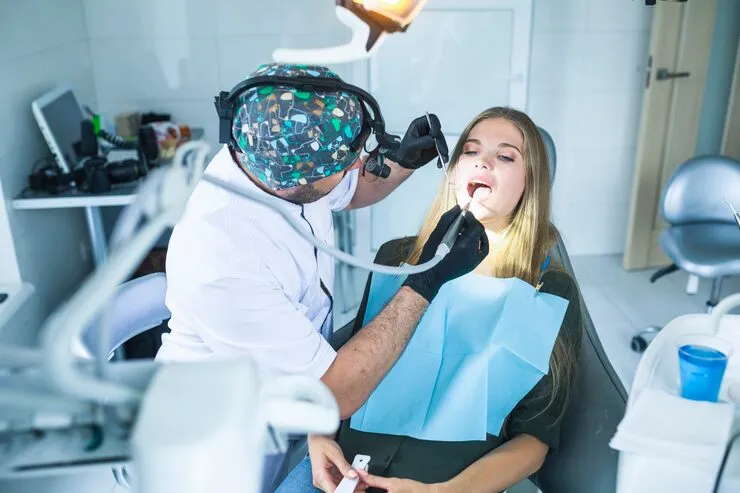
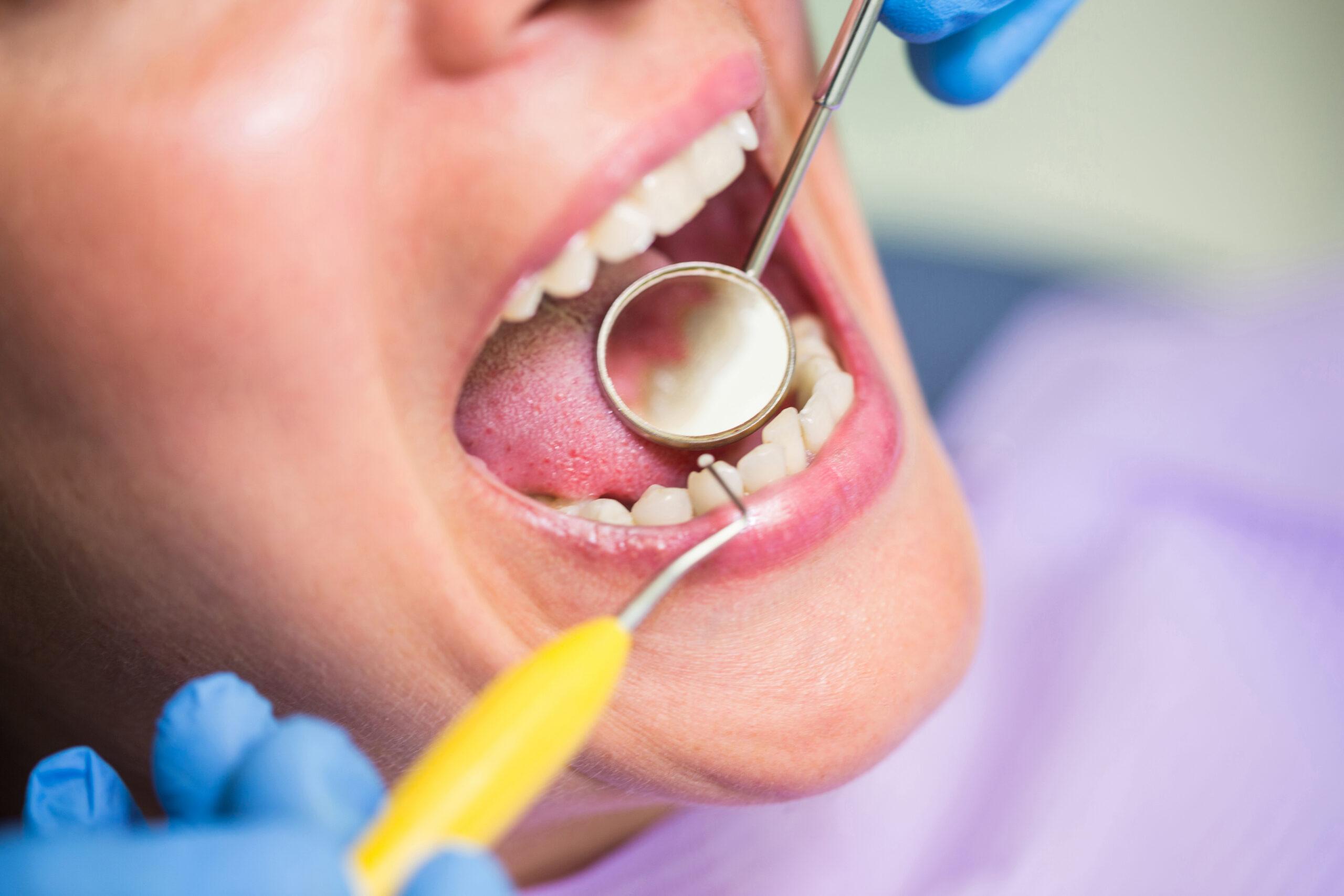
Scaling and root planing is typically performed under local anesthetic to minimize discomfort. The dentist or dental hygienist will work methodically through each section of the mouth, using ultrasonic scalers and hand instruments to access all areas of the pockets. Some patients may notice a sensation of pressure or vibration, but pain is generally well-controlled.
After the Procedure
It is normal to experience some soreness, sensitivity, and minor gum swelling for a few days after the procedure. The following is generally recommended during recovery:
- Eat soft foods and avoid very hot or cold beverages initially
- Continue brushing and flossing gently but consistently
- Use any prescribed antimicrobial rinse as directed
- Attend the follow-up evaluation appointment, typically 4 to 6 weeks after treatment
At the follow-up visit, the dental team will measure pocket depths again to assess how well the tissue has responded. In many cases, pockets reduce significantly and normal maintenance resumes. If pockets remain deep despite treatment, referral for surgical management may be discussed.
Non-Surgical Treatment vs. Surgical Treatment: A Comparison
Understanding when non-surgical treatment is sufficient and when surgery becomes necessary helps patients make informed decisions about their care.
| Feature | Non-Surgical Treatment | Surgical Treatment |
| Appropriate for | Gingivitis, early-to-moderate periodontitis | Advanced periodontitis, deep pockets |
| Invasiveness | Minimally invasive | Involves incisions and sutures |
| Recovery | A few days of mild soreness | Longer recovery period |
| Anesthesia | Local anesthetic | Local, sometimes sedation |
| Bone involvement | Limited or none | May involve bone grafting |
| First-line approach | Yes, always tried first | When non-surgical is insufficient |
At a well-equipped dental office in Alliston, the decision between non-surgical and surgical care is made after a thorough clinical assessment, including X-rays and periodontal probing. No two cases are identical, and a personalized treatment plan is always the standard of care.
Common Myths About Non-Surgical Gum Treatment
Myth 1: “If my gums don’t hurt, I don’t have gum disease.”
Gum disease is frequently painless in its early stages. Many patients are surprised to learn they have significant periodontal disease because they experienced no pain. Regular check-ups are essential for early detection.
Myth 2: “A regular cleaning is the same as a deep cleaning.”
A standard prophylaxis cleaning addresses the visible tooth surface and just below the gumline. Scaling and root planing specifically targets the deep pockets and root surfaces where disease bacteria reside. They serve different clinical purposes.
Myth 3: “Once I have gum treatment, I’m cured permanently.”
Gum disease can recur if proper home care and maintenance visits are not maintained. Treatment controls the disease; it does not eliminate the susceptibility. Lifelong periodontal maintenance is part of the commitment to healthy gums.
Myth 4: “Only older adults get gum disease.”
While gum disease is more prevalent with age, it can affect teenagers and young adults as well. Hormonal changes, certain medications, and genetic factors all play a role. Even children’s dentistry programs address early signs of gum problems to prevent progression.
Myth 5: “Gum treatment is only cosmetic.”
Gum disease has well-documented links to systemic health conditions including heart disease, diabetes, and pregnancy complications. Treating gum disease is a health imperative, not merely an aesthetic concern.
Advanced Healing Options: PRGF-Endoret and PLP Therapy
For patients undergoing more complex periodontal care, implant placement, or surgical procedures, some clinics now offer regenerative treatments that use the patient’s own blood to accelerate healing. PRGF-Endoret (Plasma Rich in Growth Factors) and PLP (Platelet-Leucocyte-Poor) therapy involve processing a small blood sample to concentrate growth factors, which are then applied to the surgical site to stimulate tissue regeneration and reduce healing time.
A PRGF dentist in Alliston trained in these techniques can offer this as an adjunct to implant surgery, bone regeneration, and advanced periodontal procedures. This type of biologically enhanced healing represents the forefront of modern dental care and is one of the specialized services available at Dominion Street Dental’s PRGF-Endoret PLP treatment program.
The Connection Between Gum Health and Overall Dental Health
Healthy gums are the foundation for all other dental treatments. Whether a patient is considering dental implants, crowns and bridges, or bone regeneration, active gum disease must be controlled first. Implants placed in infected or inflamed gum tissue have a much higher failure rate, and restorative work on diseased gums will not last as long or function as well.
Patients interested in improving the appearance of their smile through cosmetic dentistry, smile makeovers, porcelain veneers, or teeth whitening will typically be assessed for gum health before any aesthetic treatment begins. Gum therapy is an important prerequisite, not an optional add-on.
Similarly, patients who require root canal treatment, tooth extractions, full or partial dentures, or orthodontic treatment are evaluated for periodontal status as part of comprehensive care planning.
In cases of urgent concern such as sudden swelling, severe pain, or trauma, an emergency dental clinic in Alliston provides same-day access to care.
About Dominion Street Dental in Alliston
Dominion Street Dental has been serving the Alliston and New Tecumseth community for over 24 years, offering a complete range of family, cosmetic, and advanced dental care. As a best dental clinic in Alliston recognized for its commitment to patient-centered care, the clinic provides thorough periodontal assessments, non-surgical gum treatments, and advanced therapies including PRGF-Endoret and PLP treatments for complex cases.
The clinic welcomes new patients and accepts patients enrolled in the Canadian Dental Care Plan (CDCP). For more information about CDCP coverage and eligibility, visit the CDCP information page. Multilingual care is available in English, Ukrainian, and Russian, ensuring clear communication and comfort for a diverse patient community.
Extended hours are available, including Tuesday appointments until 6:00 PM and Wednesday evening hours from 1:00 PM to 8:00 PM, making it easier for working patients and families to access care. Free consultations are available for new patients to discuss gum concerns and treatment options without any upfront commitment.
To learn more about the practice and its team, visit the About the Clinic page. To book an appointment or speak with someone directly, contact the clinic at +1 705-410-0961, email domdentalinfo@gmail.com, or visit the office at 46 Dominion St., Alliston, ON L9R 1L5, Canada.
Frequently Asked Questions (FAQs)
1. Is non-surgical gum treatment painful?
Most patients tolerate scaling and root planing well with local anesthetic. After the procedure, some soreness and sensitivity are normal for a few days, but significant pain is uncommon. Over-the-counter pain relief is usually sufficient for post-treatment discomfort.
2. How many sessions does non-surgical gum treatment take?
This depends on the severity of gum disease and the number of teeth affected. Mild cases may be addressed in one visit, while more widespread disease typically requires two to four appointments to treat each quadrant of the mouth thoroughly. A follow-up evaluation is always scheduled 4 to 6 weeks after treatment.
3. How long does it take to see results after scaling and root planing?
Improvement in gum color, reduced bleeding, and decreased pocket depth are usually measurable within 4 to 8 weeks of treatment. Full healing and re-evaluation of results are typically assessed at the follow-up appointment scheduled after the procedure.
4. Can gum disease come back after non-surgical treatment?
Yes. Gum disease can recur if oral hygiene at home is not maintained and if regular professional maintenance cleanings are skipped. Patients who have had periodontal treatment are typically placed on a more frequent maintenance schedule, usually every 3 to 4 months, to monitor gum health and prevent relapse.
5. Does the Canadian Dental Care Plan (CDCP) cover gum treatment?
Coverage under the CDCP depends on the patient’s eligibility and the specific procedures recommended. Patients enrolled in the CDCP should verify their coverage details with the dental clinic at the time of their consultation. Clinics that accept CDCP patients can help clarify what services are covered under the plan.
Conclusion
Non-surgical gum treatment is the most effective and least invasive way to manage gum disease, and it works best when started early. From scaling and root planing to antibiotic therapy and advanced regenerative options, there is a range of evidence-based approaches that can restore gum health without surgery. If you have noticed any signs of gum problems, prompt evaluation by a qualified dental professional is the most important step you can take for your long-term oral and overall health.
To learn more about the practice and its team, visit the About the Clinic page. To book an appointment or speak with someone directly, contact the clinic at +1 705-410-0961, email domdentalinfo@gmail.com, or visit the office at 46 Dominion St., Alliston, ON L9R 1L5, Canada.