Losing a single tooth can feel devastating, affecting not only your appearance but also your confidence and ability to eat comfortably. While many people associate dentures with replacing all or most of their teeth, single tooth dentures offer a viable solution for replacing just one missing tooth. Understanding this often-overlooked option helps you make informed decisions about restoring your smile.
A single tooth denture, also called a partial denture or flipper, is a removable prosthetic device designed to fill the gap left by one missing tooth. This solution provides an alternative to dental bridges and implants, with unique advantages that make it the right choice for certain situations and patients.
What Is a Single Tooth Denture?
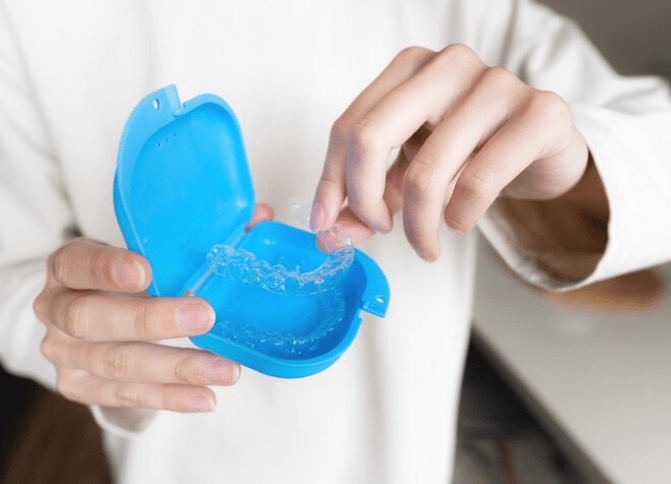
A single tooth denture consists of a replacement tooth attached to a gum-colored base that fits snugly against your natural gums. The device typically includes small clasps or other retention mechanisms that grip adjacent teeth to hold the denture securely in place. Despite the name “denture,” this appliance is specifically designed to replace just one tooth rather than multiple teeth or a full arch.
The replacement tooth itself is carefully crafted to match your natural teeth in size, shape, and color. Modern materials and fabrication techniques allow dental laboratories to create highly realistic-looking prosthetic teeth that blend seamlessly with your smile. The base is usually made from acrylic resin that mimics the appearance of natural gum tissue.
For patients seeking quality Dental Care in Alliston, Ontario, single tooth dentures represent one of several options for addressing tooth loss. Understanding how this solution compares to alternatives helps you choose the most appropriate treatment for your needs.
How Single Tooth Dentures Differ from Other Options
When facing the loss of a single tooth, you typically have three main replacement options: a single tooth denture, a dental bridge, or a dental implant. Each approach has distinct characteristics, advantages, and limitations.
A dental bridge is a permanent restoration that uses adjacent teeth as anchors. The teeth on either side of the gap are prepared with crowns, and a false tooth is suspended between them. Bridges are fixed in place and feel very much like natural teeth, but they require altering healthy adjacent teeth.
Dental implants involve surgically placing a titanium post into your jawbone to serve as an artificial root. A crown is then attached to this post, creating a replacement that most closely mimics a natural tooth. Implants preserve bone and don’t affect neighboring teeth, but they require surgery and a longer treatment timeline.
Single tooth dentures offer a removable, non-surgical alternative that doesn’t require modifying adjacent teeth. They can be fabricated relatively quickly and represent a more economical option initially, making them attractive for patients in specific circumstances.
When Single Tooth Dentures Make Sense
Certain situations make single tooth dentures particularly appropriate. If you’re waiting for a dental implant to integrate with your bone, a single tooth denture can serve as a temporary solution that maintains aesthetics and function during the healing period. This transitional use is quite common and prevents you from going months with a visible gap in your smile.
Young patients whose jawbones are still developing might not be candidates for dental implants yet. A single tooth denture provides a temporary solution until they’re old enough for permanent restoration. Similarly, patients with certain health conditions that complicate surgery or bone healing might find removable partial dentures a safer alternative to implants.
Financial considerations also play a role in treatment decisions. While single tooth dentures require periodic replacement and adjustment, their initial investment is typically lower than bridges or implants. For patients facing temporary financial constraints, a denture might bridge the gap until they can pursue more permanent solutions.
Working with an experienced Dentist in Alliston ensures you receive honest guidance about whether a single tooth denture suits your specific situation or whether alternative treatments would better serve your long-term oral health.
The Process of Getting a Single Tooth Denture
Creating a single tooth denture typically requires two to three dental appointments spread over a few weeks. Understanding the process helps you know what to expect and prepare accordingly.
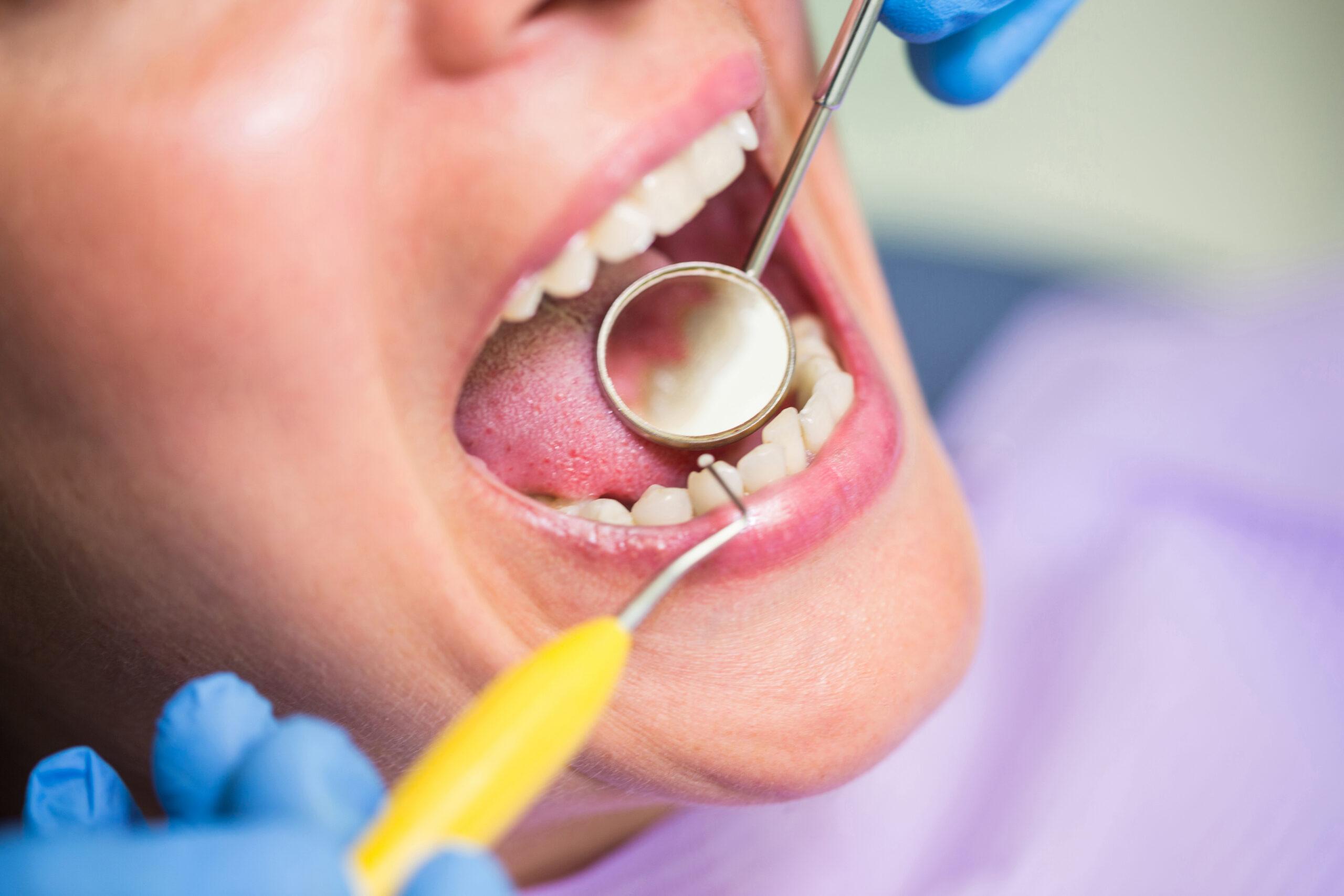
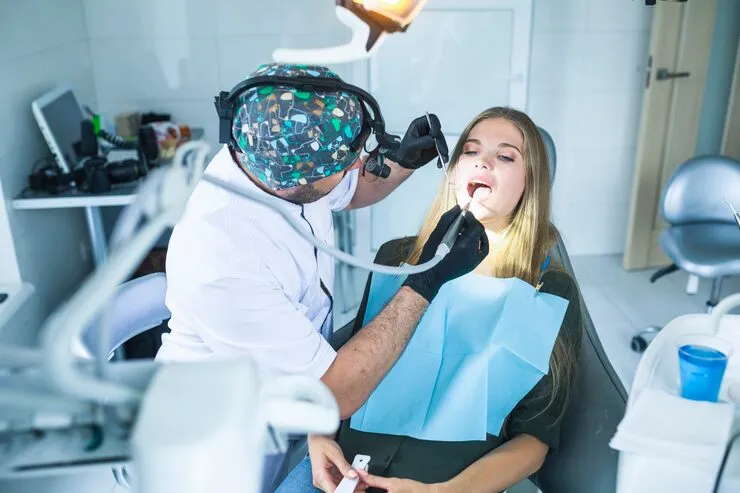
During your initial visit, your dentist examines your mouth, discusses your goals and concerns, and determines whether a single tooth denture is appropriate for your situation. If you proceed, impressions of your mouth are taken to create an accurate model of your teeth and gums. These impressions capture the exact dimensions and contours needed to fabricate a denture that fits comfortably.
Your dentist also helps select the shade and shape of your replacement tooth, ensuring it matches your natural teeth as closely as possible. Photos of your smile and careful shade matching using standardized color guides help achieve optimal aesthetic results.
The dental laboratory uses your impressions and specifications to fabricate your custom denture. This process typically takes one to two weeks. When your denture is ready, you return for a fitting appointment. Your dentist ensures the denture fits properly, makes any necessary adjustments for comfort and retention, and teaches you how to insert, remove, and care for your new appliance.
For comprehensive Dentures in Alliston, Ontario, experienced dental teams guide you through each step of the process with clear communication and attention to detail.
Adjusting to Your Single Tooth Denture
Wearing a removable appliance in your mouth takes some getting used to, even when it replaces just one tooth. The first few days with your new denture might feel awkward as your tongue and cheeks adjust to the foreign object. This sensation is completely normal and typically diminishes quickly.
Speaking might feel different initially, particularly if your missing tooth was in the front of your mouth. Certain sounds may be affected until you adapt to the denture’s presence. Practicing by reading aloud in private helps you adjust more quickly. Most people find their speech returns to normal within a few days to a week.
Eating requires some adjustment as well. Start with soft foods cut into small pieces, and avoid biting directly into foods with your front teeth if that’s where your denture is located. As you become more comfortable with the denture, you can gradually return to your normal diet, though some restrictions on very hard or sticky foods might remain.
Your mouth produces extra saliva initially in response to the new appliance. This overproduction is temporary and resolves as your mouth recognizes the denture as a normal part of your oral environment. Swallowing more frequently manages the excess saliva until production normalizes.
Caring for Your Single Tooth Denture
Proper care extends the life of your denture and keeps it functioning optimally. Remove and rinse your denture after eating to wash away food particles and prevent bacterial buildup. Handle it carefully over a folded towel or basin of water to cushion it if dropped, as dentures can break if they hit hard surfaces.
Clean your denture daily using a soft-bristled brush and mild dish soap or denture cleaner. Avoid regular toothpaste, which is too abrasive and can scratch the acrylic, creating rough surfaces where bacteria thrive. Brush all surfaces of the denture thoroughly, paying attention to areas that contact your natural teeth and gums.
Soak your denture overnight in water or denture cleaning solution to keep it moist and prevent warping. Never use hot water, which can distort the acrylic and ruin the fit. Most dental professionals recommend removing your denture at night to give your gum tissues a rest and allow natural saliva to cleanse the area.
Continue caring for your natural teeth with regular brushing and flossing. Pay special attention to the teeth that contact your denture’s clasps, as these areas can accumulate plaque. Massaging your gums in the area where your tooth is missing promotes circulation and maintains tissue health.
Advantages of Single Tooth Dentures
Single tooth dentures offer several benefits that make them attractive options in appropriate situations. The non-invasive nature of this solution means no surgery is required and no healthy teeth need modification. If you’re uncomfortable with surgical procedures or want to preserve your natural tooth structure, this represents a significant advantage.
The relatively quick fabrication time means you won’t spend weeks or months with a visible gap in your smile. From your initial appointment to receiving your finished denture typically takes just a few weeks, compared to several months for implant treatment.
Removability allows for thorough cleaning both of the denture itself and the area where your tooth is missing. This can be advantageous for maintaining excellent oral hygiene in the area. You can also remove the denture if it becomes uncomfortable or if you need a break from wearing it.
The economic consideration is straightforward. While single tooth dentures may need replacement every several years, the initial investment is typically lower than permanent alternatives, making tooth replacement accessible even when facing budget constraints.
Limitations and Considerations
Understanding the limitations of single tooth dentures helps set realistic expectations. The removable nature of the appliance means it won’t feel exactly like a natural tooth. You’ll need to remove it for cleaning and might choose to remove it at night, which differs from the experience of permanent restorations.
Stability can be challenging with single tooth dentures, particularly if the missing tooth is in a location that makes retention difficult. While clasps help hold the denture in place, it may shift slightly during eating or speaking. This movement is usually minor but can take getting used to.
The clasps that hold the denture in place might be visible when you smile, depending on which tooth is being replaced. Front tooth replacements can sometimes show metal clasps, though tooth-colored options exist that are less noticeable.
Bone preservation is a consideration for long-term oral health. Unlike dental implants, which stimulate the jawbone and prevent deterioration, dentures rest on top of the gum tissue without providing bone stimulation. Over time, bone loss in the area of the missing tooth continues, potentially affecting the fit of your denture and requiring periodic adjustments or replacement.
When to Seek Professional Adjustment
Even well-made dentures sometimes need adjustment as your mouth adapts or changes. Certain symptoms indicate you should schedule a dental appointment rather than trying to adjust the denture yourself.
Persistent sore spots that don’t improve after the first week of wear suggest the denture is putting excessive pressure on specific areas of your gum tissue. Your dentist can adjust these pressure points to improve comfort. Never try to modify the denture yourself with household tools, as this can damage it beyond repair.
If your denture feels loose or moves excessively during eating or speaking, the retention mechanisms might need adjustment. Clasps can be tightened or repositioned to improve stability. Alternatively, changes in your gum tissue might require modifying the denture base for a better fit.
Difficulty inserting or removing the denture suggests fit problems that warrant professional evaluation. A denture should slide into place relatively easily and come out without excessive force. If you’re struggling with insertion or removal, adjustments can make the process smoother.
For situations requiring immediate attention, access to an Emergency Dentist in Alliston, Ontario ensures you can address painful or broken dentures promptly rather than suffering through discomfort.
Long-Term Outlook and Replacement
Single tooth dentures typically last between three to eight years depending on factors like material quality, how well you care for the appliance, and changes in your mouth over time. Regular dental checkups allow your dentist to monitor the denture’s condition and your oral health, identifying when replacement becomes necessary.
Signs that indicate replacement time include visible cracks or chips in the denture, persistent looseness despite adjustments, discoloration that doesn’t improve with cleaning, or significant changes in your bite. As bone resorption continues in the area of the missing tooth, the denture may no longer fit properly against the changed gum contours.
During the time you wear a single tooth denture, you can continue exploring permanent replacement options. Many patients use dentures as transitional solutions while saving for implants or waiting for bone grafting to heal. Others discover they’re comfortable with the denture and choose to simply replace it periodically rather than pursuing permanent alternatives.
Comparing Costs Over Time
While single tooth dentures have lower initial investment compared to bridges or implants, considering long-term costs provides a more complete picture. A denture might need replacement every several years, and regular adjustments add to the total investment over time.
Dental bridges typically last 10 to 15 years before requiring replacement. While more expensive initially, they may prove more economical over extended periods if you’re young and expect to need tooth replacement for many decades.
Dental implants represent the highest initial investment but can last a lifetime with proper care. The crown attached to the implant might need replacement after 15 to 20 years, but the implant post itself typically doesn’t require replacement. For long-term value, implants often prove most economical despite higher upfront expense.
Your individual circumstances, including age, overall health, budget, and long-term oral health goals, should guide your decision. Working with trusted professionals at a Dental Clinic in Alliston ensures you receive honest information about all options and realistic cost projections for each.
Alternative Uses for Single Tooth Dentures
Beyond serving as permanent tooth replacements, single tooth dentures fill other important roles in dental care. They’re commonly used as temporary restorations while waiting for dental implants to integrate, maintaining aesthetics during the several-month healing period.
After tooth extraction, a single tooth denture can be placed immediately to prevent the embarrassment of a visible gap. This “immediate denture” approach is particularly common for front teeth, where appearance matters most. The denture is fabricated before extraction and inserted the same day the tooth is removed.
For patients undergoing orthodontic treatment who have congenitally missing teeth, single tooth dentures can fill gaps temporarily until the orthodontic movement is complete and permanent restorations can be placed.
Some patients use single tooth dentures as diagnostic tools to determine whether they’ll be comfortable with the appearance and position of a replacement tooth before committing to permanent restoration. This “test drive” approach reduces the risk of disappointment with the final result.
Frequently Asked Questions
How long does it take to get used to a single tooth denture?
Most people adapt to a single tooth denture within a week or two of receiving it. The first few days typically involve the most adjustment as your tongue and cheeks get used to the appliance. Speaking and eating feel more natural as you practice, and any excess saliva production resolves quickly. If you’re still experiencing significant discomfort or difficulty after two weeks, contact your dentist for evaluation and possible adjustment.
Can I sleep with my single tooth denture in place?
While you can sleep with your denture in place, most dental professionals recommend removing it at night. This gives your gum tissues a chance to rest and recover from the pressure of wearing the appliance all day. It also allows your natural saliva to cleanse the area and helps prevent bacterial or fungal growth. If you prefer to sleep with your denture for aesthetic reasons, discuss this with your dentist.
Will people be able to tell I’m wearing a denture?
Modern single tooth dentures are crafted to look very natural, and most people won’t notice you’re wearing one. The replacement tooth is matched carefully to your natural teeth in color, size, and shape. The gum-colored base blends with your natural gum tissue. The clasps that hold the denture might be visible in certain lighting or when you smile widely, depending on which tooth is being replaced, but tooth-colored clasps minimize this concern.
Can I eat normally with a single tooth denture?
You can eat most foods with a single tooth denture, though some adaptation is necessary. Avoid biting directly into hard or tough foods with the replacement tooth, as this can dislodge the denture or damage it. Sticky foods like caramel can pull the denture out of place. With practice, most people learn to chew effectively with their denture, though the experience differs somewhat from chewing with natural teeth.
How often do single tooth dentures need replacement?
Single tooth dentures typically need replacement every three to eight years, depending on how well you care for them and how much your mouth changes during that time. Continued bone resorption in the area of the missing tooth can affect fit over time. Regular dental checkups allow your dentist to monitor the denture’s condition and recommend replacement when necessary. Proper daily care and gentle handling extend the life of your denture.
Conclusion
Single tooth dentures offer a practical solution for replacing one missing tooth, particularly as a temporary restoration or when surgical options aren’t appropriate. While they require adjustment and ongoing care, these removable appliances effectively restore appearance and function for many patients. Understanding both the advantages and limitations of this approach helps you determine whether it’s the right choice for your situation or whether exploring alternatives like bridges or implants better serves your long-term goals.
Dominion Street Dental, recognized as one of the best dental clinics serving the Alliston area in Ontario, provides comprehensive tooth replacement solutions including single tooth dentures, bridges, and implants. The experienced team takes time to understand your unique needs, explain all available options, and help you make decisions that support both your immediate comfort and long-term oral health. Whether you need a temporary solution while pursuing permanent restoration or prefer a removable appliance for other reasons, you’ll receive expert care tailored to your circumstances.
Located at 46 Dominion St, Alliston, ON L9R 1L5, Dominion Street Dental offers the personalized attention and professional expertise you deserve. For questions about tooth replacement options or to schedule your consultation, contact the clinic at domdentalinfo@gmail.com. Your journey to a complete, confident smile begins with the right information and compassionate professional guidance.