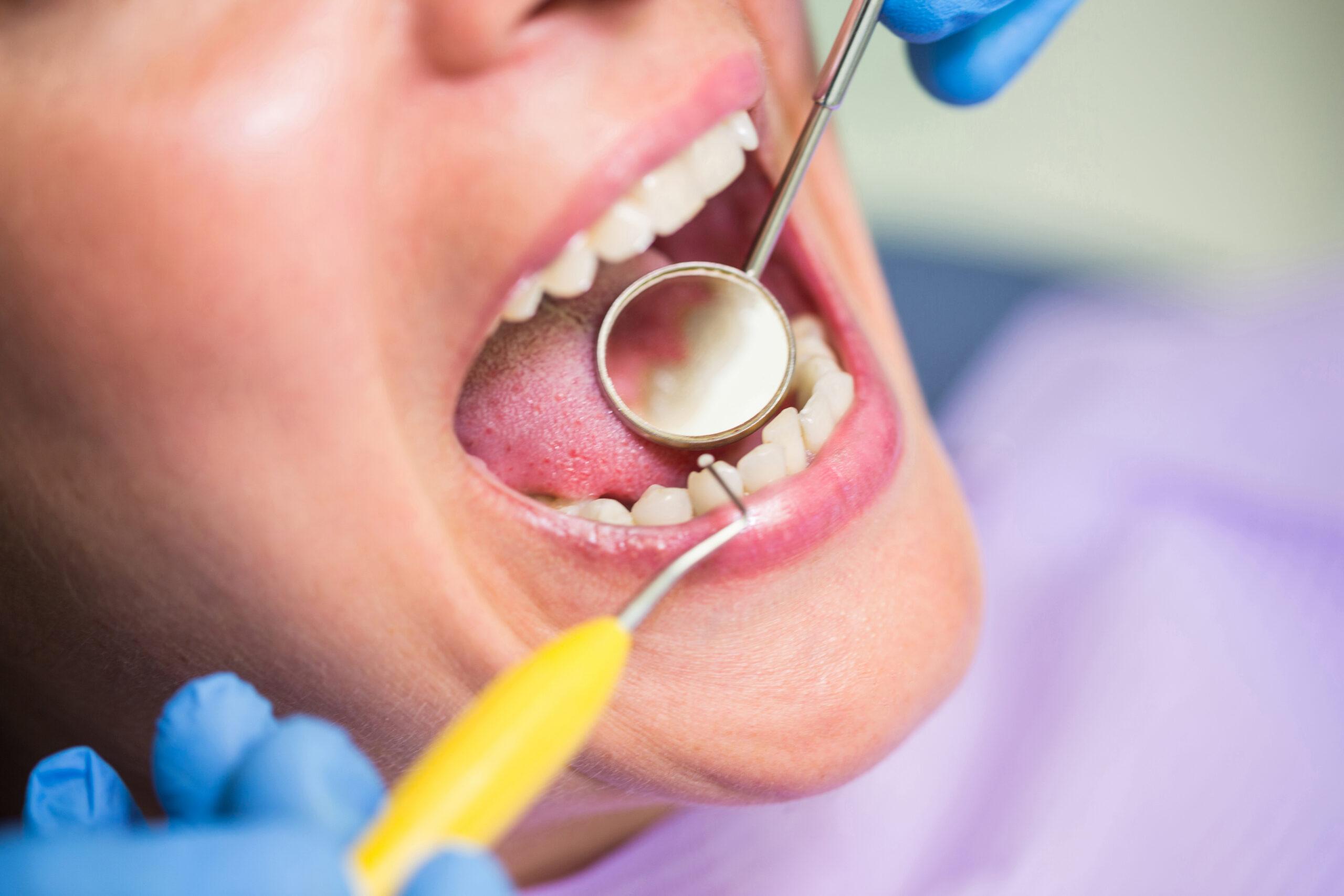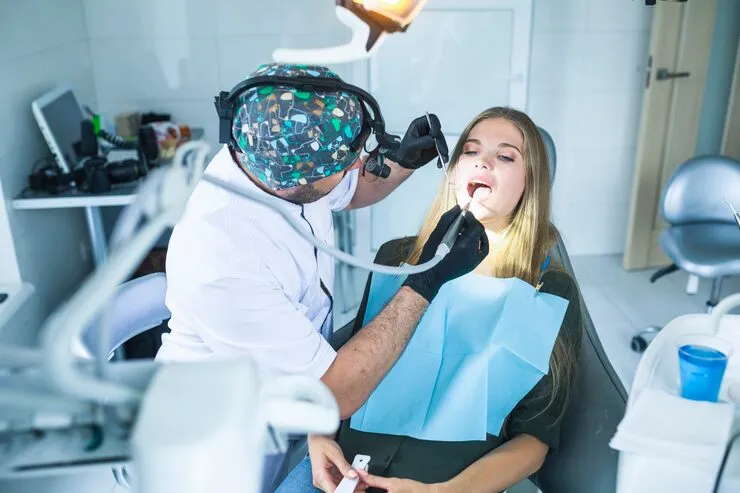
A dental emergency can happen to anyone, at any time, and knowing how to respond in those critical first moments can make the difference between saving and losing a tooth. Whether you have knocked out a tooth during a sports game, developed a sudden, severe toothache in the middle of the night, or cracked a tooth on something unexpectedly hard, understanding what to do before you reach professional care is essential. For residents of Alliston, Ontario, being prepared and knowing where to turn is the first step toward the best possible outcome.
Dominion Street Dental is one of the most trusted and highly regarded dental practices in the area, serving patients across Alliston and the surrounding region with compassionate, professional care. Located at 46 Dominion St, Alliston, ON L9R 1L5, the practice is well equipped to handle a wide range of dental emergencies promptly and effectively, helping patients get out of pain and back to their normal lives as quickly as possible.
What Counts as a Dental Emergency?
Not every dental concern requires an immediate same-day visit, but certain situations demand urgent attention. Understanding the difference between a true dental emergency and a non-urgent concern helps you make the right decision about how quickly to seek care.
A dental emergency generally refers to any situation involving severe pain, significant bleeding, trauma to the teeth or mouth, or a risk of infection that could spread. Common examples include a knocked-out tooth, a cracked or fractured tooth with sharp pain, a dental abscess with swelling, a lost crown or filling causing acute sensitivity or pain, a broken or dislodged wire from orthodontic appliances causing injury to soft tissue, and significant soft tissue injuries to the lips, tongue, or gums.
For residents dealing with Dental Emergencies in Alliston, contacting a dental practice as soon as possible after the incident occurs gives the clinical team the best opportunity to assess the situation and advise on the most appropriate immediate steps.
Step-by-Step Guide to Common Dental Emergencies
Knocked-Out Tooth
A knocked-out permanent tooth is one of the most time-sensitive dental emergencies you can face. The chance of successfully reimplanting the tooth decreases significantly with every passing minute, so acting quickly and correctly is critical.
If a tooth is knocked out, pick it up by the crown, which is the visible white part, and avoid touching the root. If the tooth is dirty, rinse it gently with clean water without scrubbing or using soap. If possible, try to reinsert the tooth into its socket and hold it in place by gently biting down on a clean cloth. If reinsertion is not possible, keep the tooth moist by placing it in a container of milk or between the cheek and gum, and get to a dental practice immediately.
As a leading Dentist in Alliston and the wider area, Dominion Street Dental advises patients to seek care within 30 minutes of a tooth being knocked out whenever possible, as this window offers the highest chance of a successful outcome.
Severe Toothache
A sudden, severe toothache can be caused by a number of underlying issues, including deep decay, a cracked tooth, an abscess, or an exposed root. Regardless of the cause, persistent and severe tooth pain should never be ignored or managed indefinitely with pain relief alone.
While waiting to be seen by a dentist, rinse your mouth gently with warm salt water to help keep the area clean. Over-the-counter pain relief such as ibuprofen or acetaminophen, taken as directed on the packaging, can help manage discomfort temporarily. Avoid placing aspirin directly against the gum tissue, as this can cause chemical burns to the soft tissue.
Cracked or Fractured Tooth
A cracked tooth can range from a minor surface crack to a deep fracture that reaches the root. If you crack a tooth, rinse your mouth with warm water to clean the area and apply a cold compress to the outside of the face if there is any swelling. Avoid chewing on that side and contact your dental practice as soon as possible.
Dental Abscess
A dental abscess is a serious infection that develops at the root of a tooth or in the surrounding gum tissue. It can cause significant swelling, throbbing pain, fever, and a general feeling of being unwell. An abscess is a genuine medical emergency because the infection has the potential to spread to other parts of the body if left untreated.
If you suspect you have a dental abscess, contact a dental practice urgently. Rinsing with warm salt water several times a day may help draw some of the infection toward the surface and provide mild relief, but this is not a substitute for professional treatment.
Lost Crown or Filling
Losing a crown or filling can leave the tooth vulnerable to further damage and may cause significant sensitivity. If a crown comes off, keep it safe and contact your dental practice to arrange a prompt appointment. In some cases, a temporary dental cement available from a pharmacy can be used to reattach the crown temporarily until you are seen, but this is always a short-term measure only.
Preventing Dental Emergencies
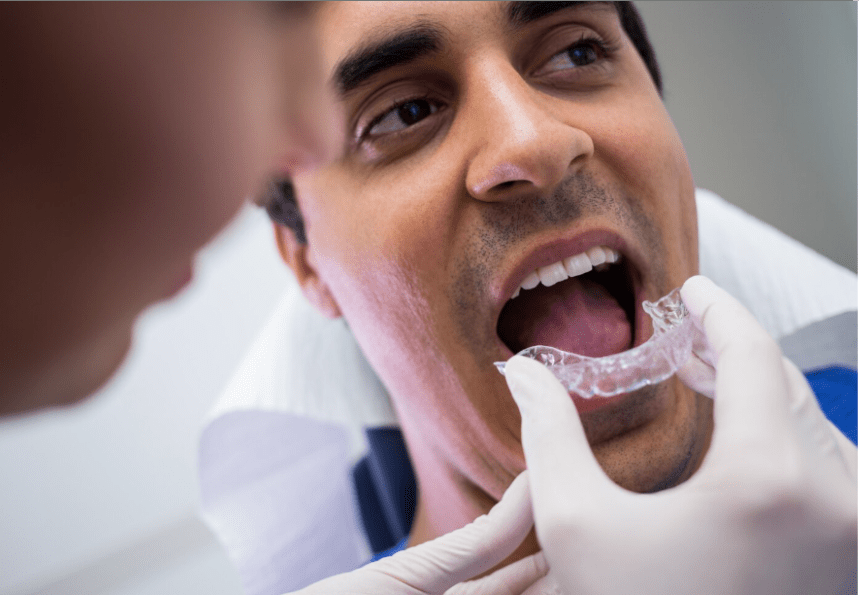
While not all dental emergencies can be prevented, there are practical steps you can take to significantly reduce your risk. Wearing a properly fitted mouthguard during contact sports or any activity that carries a risk of facial impact is one of the most effective protective measures available.
Attending regular check-ups and hygiene appointments allows your dental team to identify and address potential concerns before they develop into emergencies. Decay, cracks, and weakened restorations caught early are far easier and less costly to manage than the same issues left to progress.
For those seeking a reliable Dental Clinic in Alliston for routine preventive care, Dominion Street Dental provides comprehensive check-ups and hygiene services designed to keep teeth and gums healthy and to catch any developing concerns at the earliest possible stage.
Avoiding using teeth as tools to open packaging, bottles, or bags is another simple but effective preventive habit. Teeth are designed for eating, and using them for other purposes places unnecessary stress on the enamel and existing restorations.
When to Go to the Emergency Room Instead
In most cases, a dental practice is the most appropriate place to seek care for a dental emergency. However, there are certain situations where a hospital emergency room should be the first port of call. These include severe facial swelling that is affecting your ability to breathe or swallow, significant uncontrolled bleeding that does not respond to pressure, a suspected jaw fracture or serious facial trauma, or signs of a spreading infection accompanied by a high fever and difficulty swallowing.
In these situations, call 911 or proceed to your nearest emergency room immediately. Once the immediate medical concern has been stabilised, your dental team can then address the underlying dental issue.
Frequently Asked Questions
1. What should I do if my child knocks out a baby tooth?
If a child knocks out a baby tooth, it is generally not recommended to attempt reinsertion, as this can potentially interfere with the development of the permanent tooth underneath. Contact your dental practice promptly for advice and to arrange an assessment to ensure the surrounding tissue and adjacent teeth have not been affected.
2. Can I wait until the next day to see a dentist for a toothache? If the pain is severe, persistent, or accompanied by swelling or fever, it is advisable to seek same-day or urgent care rather than waiting. These symptoms may indicate an infection that requires prompt treatment. Mild discomfort that is manageable and has an obvious cause, such as a recently placed filling, may be appropriate to monitor briefly, but any uncertainty should prompt a call to your dental practice for guidance.
3. Is a cracked tooth always a dental emergency?
Not always, but it depends on the nature and severity of the crack. A minor surface crack with no pain or sensitivity may be monitored, while a deep crack causing significant pain, sensitivity to temperature, or visible damage to the tooth structure should be assessed promptly. When in doubt, contact your dental practice for advice.
4. What pain relief is safe to take for dental pain?
Over-the-counter options such as ibuprofen or acetaminophen, taken as directed on the packaging, are generally safe for managing dental pain in adults. Ibuprofen also has anti-inflammatory properties that can help reduce swelling. Always consult your pharmacist or dentist if you are unsure which medication is appropriate for your individual circumstances, particularly if you have any underlying health conditions or take other medications.
5. How can I find an emergency dentist in Alliston?
Contacting your regular dental practice is always the first step, as many practices hold appointments for urgent cases or can advise you on the best course of action. If you do not have a regular dentist, searching online for emergency dental services in your area is a practical starting point. Having the contact details of a local dental practice saved in your phone before an emergency occurs is a sensible precaution.
Conclusion
Dental emergencies are stressful, painful, and often unexpected, but knowing how to respond calmly and quickly can make a significant difference to the outcome. Whether you are dealing with a knocked-out tooth, a severe toothache, an abscess, or a cracked restoration, prompt professional care is always the most important step.
Dominion Street Dental, located at 46 Dominion St, Alliston, ON L9R 1L5, is a trusted and highly regarded practice serving the Alliston community with professional, compassionate dental care. Their experienced team is committed to providing prompt attention and expert treatment for dental emergencies, helping patients get out of pain and back to full health as quickly as possible. To get in touch or to arrange an urgent appointment, contact the practice directly at domdentalinfo@gmail.com.