Nightguards protect teeth by creating a protective barrier between the upper and lower teeth during sleep, reducing damage caused by grinding and clenching. Teeth grinding, also called bruxism, is a common condition that may start mildly but can become serious over time if left untreated. Persistent grinding can lead to cracked teeth, jaw pain, headaches, enamel wear, and even tooth loss.
Patients concerned about grinding damage often visit a trusted Dental Clinic in Alliston such as Dominion Street Dental Alliston to evaluate symptoms and receive a professionally fitted nightguard designed for long-term protection.
Bruxism can affect both children and adults. Many people grind their teeth during sleep without realizing it until symptoms such as jaw soreness or tooth sensitivity appear. Early treatment helps prevent permanent dental damage and reduces stress on the jaw joints.
Individuals searching for a reliable Dentist in Alliston frequently explore About the Clinic to learn how preventive dental care and custom oral appliances can protect long-term oral health.
Nightguards are one of the most effective non-invasive solutions for managing grinding-related damage. They are commonly recommended for patients with worn enamel, jaw tension, cracked fillings, or chronic clenching habits.
Patients can also learn more about ongoing oral protection through Preventive Family Dentistry and routine monitoring services.
Regular dental visits through Check-ups and Cleanings help detect early signs of bruxism before major complications develop.
What Is Teeth Grinding?
Teeth grinding, or bruxism, is the involuntary clenching or grinding of teeth.
It commonly occurs:
- During sleep
- During periods of stress
- During concentration
- Because of bite misalignment
Some people grind lightly, while others apply significant force capable of damaging teeth and jaw structures.
Why Is Teeth Grinding Harmful?
Clear Answer
Grinding places excessive pressure on the teeth, jaw muscles, and temporomandibular joints (TMJ). Over time, this can wear down enamel, crack teeth, strain jaw muscles, and trigger chronic pain.
Common Problems Caused by Bruxism
- Tooth fractures
- Flattened teeth
- Jaw pain
- Headaches
- Gum recession
- Tooth sensitivity
- TMJ disorders
Severe grinding may eventually require restorative dental treatment.
What Is a Nightguard?
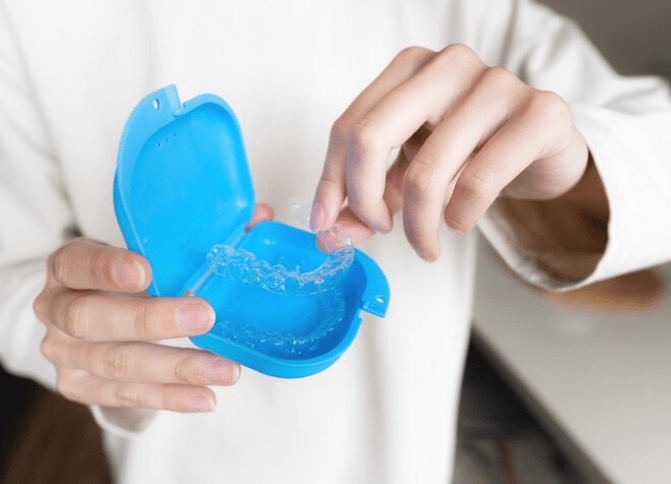
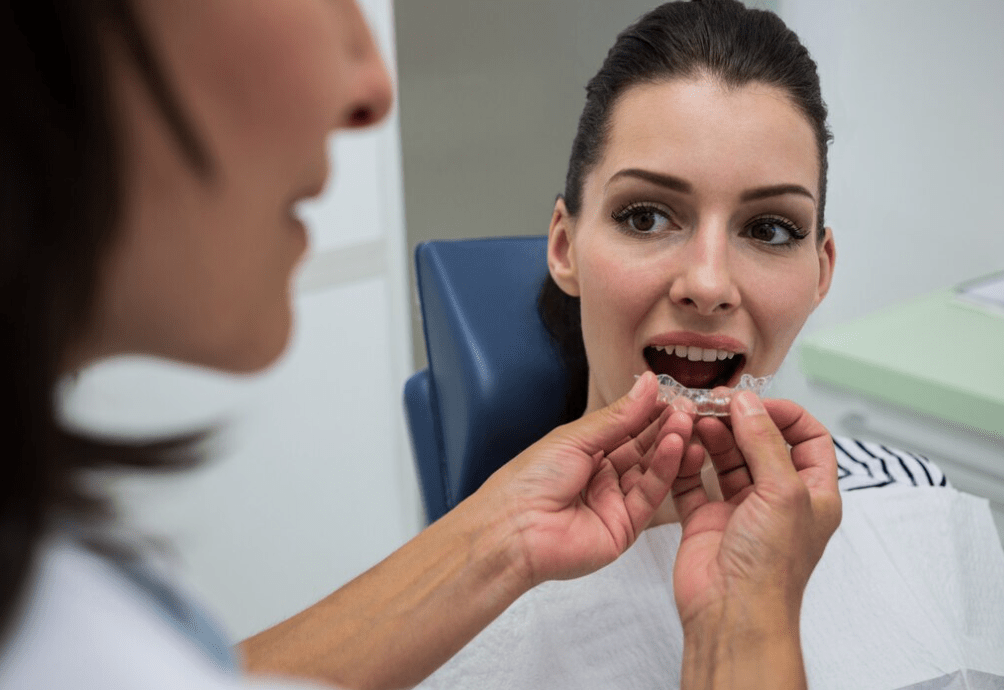
A nightguard is a custom dental appliance worn while sleeping to protect teeth from grinding and clenching damage.
It acts as a cushioning barrier between the upper and lower teeth.
Nightguards are usually made from:
- Soft acrylic
- Hard acrylic
- Dual-layer materials
Custom-fit guards are typically more effective and comfortable than over-the-counter alternatives.
How Nightguards Protect Teeth
1. Prevent Direct Tooth-to-Tooth Contact
Nightguards absorb grinding forces and reduce enamel wear.
2. Reduce Pressure on Jaw Joints
The appliance helps decrease strain on TMJ structures.
3. Protect Dental Restorations
Crowns, veneers, and fillings are less likely to crack under grinding pressure.
Patients with restorative dental work may benefit from services like Crowns and Bridges to repair damaged teeth before receiving a custom nightguard.
4. Reduce Muscle Tension
Nightguards help relax jaw muscles during sleep.
Signs You May Need a Nightguard
Common Symptoms
- Morning headaches
- Jaw soreness
- Worn or chipped teeth
- Tooth sensitivity
- Clicking jaw joints
- Tight facial muscles
- Interrupted sleep
A Family Dentist in Alliston can evaluate these symptoms and determine whether bruxism is contributing to dental problems.
Causes of Teeth Grinding
Stress and Anxiety
Emotional stress is one of the most common triggers.
Bite Misalignment
Uneven bite patterns may contribute to grinding.
Sleep Disorders
Conditions like sleep apnea may increase nighttime grinding.
Lifestyle Factors
- Excess caffeine
- Smoking
- Alcohol use
Professional evaluation helps identify contributing causes.
Types of Nightguards
| Type | Material | Best For |
|---|---|---|
| Soft nightguard | Flexible material | Mild grinding |
| Hard acrylic nightguard | Durable acrylic | Severe grinding |
| Dual laminate guard | Soft inside, hard outside | Moderate grinding |
Custom selection depends on grinding severity and jaw condition.
Custom Nightguards vs Store-Bought Guards
Custom Nightguards
- Professionally fitted
- More durable
- Better jaw support
- More comfortable
Store-Bought Guards
- Less precise fit
- Bulkier design
- Less durable
- May worsen bite issues in some cases
Professionally made appliances typically provide better long-term protection.
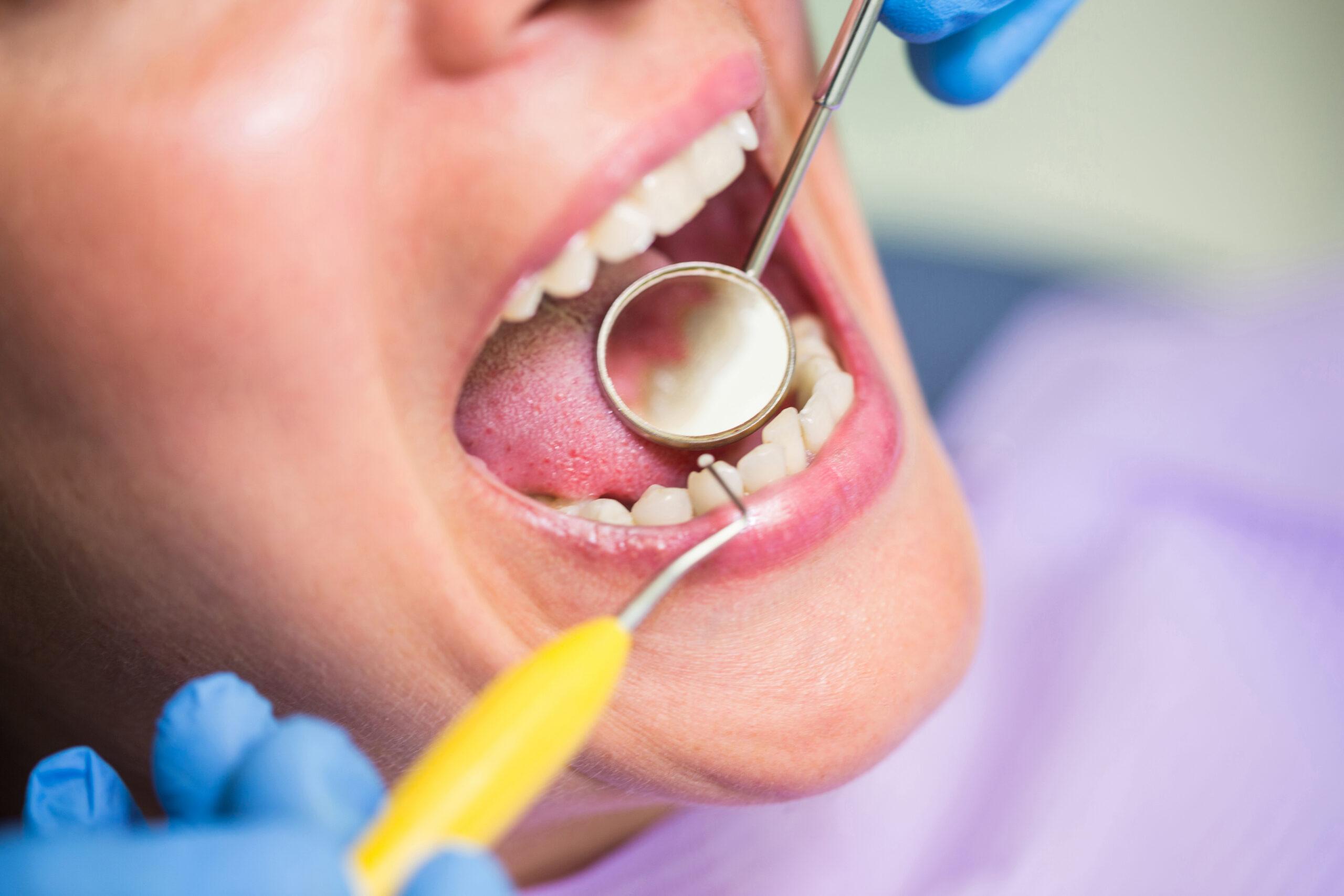
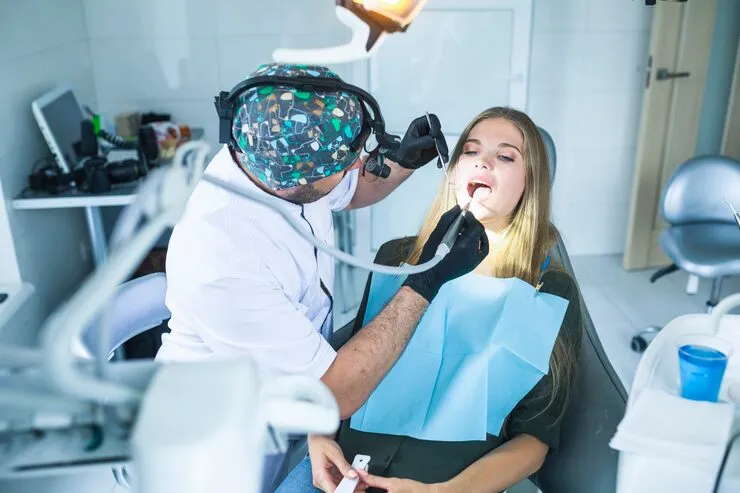
How Dentists Diagnose Bruxism
A dental evaluation may include:
- Oral examination
- Enamel wear assessment
- Jaw joint evaluation
- Bite analysis
- Discussion of symptoms
Routine exams at a Dental Office in Alliston help identify grinding before severe damage develops.
Can Teeth Grinding Damage Cosmetic Dental Work?
Yes. Bruxism can damage:
- Veneers
- Crowns
- Bonding
- Whitening results
Patients investing in cosmetic procedures often need nightguards to protect their smile.
Those considering aesthetic improvements can also explore Cosmetic Dentistry and Porcelain Veneers.
Nightguards and Orthodontic Treatment
Grinding can affect orthodontic outcomes and tooth alignment.
Patients undergoing alignment correction may also benefit from Orthodontic Treatment when bite issues contribute to bruxism.
What Happens If Bruxism Is Left Untreated?
Untreated grinding may lead to:
- Cracked teeth
- Gum recession
- Tooth loss
- Chronic jaw pain
- TMJ disorders
- Expensive restorative treatment needs
In severe cases, teeth may require extraction or replacement.
Patients experiencing advanced damage may require services such as Tooth Extractions or Dental Implants.
Can Children Need Nightguards?
Yes. Some children grind their teeth during sleep.
Signs in Children
- Loud grinding sounds
- Worn baby teeth
- Jaw discomfort
- Morning irritability
Pediatric evaluations help determine whether treatment is necessary.
Families can learn more through Children’s Dentistry.
Nightguards and TMJ Disorders
Bruxism often contributes to temporomandibular joint dysfunction.
Nightguards may help reduce:
- Joint pressure
- Muscle tension
- Jaw locking
- Facial pain
However, not all jaw pain is caused by grinding, so proper diagnosis is essential.
Common Myths About Nightguards
Myth 1: Teeth grinding is harmless
Grinding can cause permanent damage over time.
Myth 2: Nightguards stop grinding completely
Nightguards protect teeth but may not eliminate the grinding habit itself.
Myth 3: Store-bought guards work the same
Professional custom appliances usually provide superior fit and protection.
How Long Do Nightguards Last?
The lifespan depends on:
- Grinding severity
- Material type
- Maintenance habits
Some patients with severe bruxism may wear through guards faster and require periodic replacement.
Caring for a Nightguard
Proper Care Tips
- Clean daily
- Store in ventilated case
- Avoid hot water
- Bring to dental appointments for inspection
Proper maintenance improves hygiene and durability.
Additional Treatments for Grinding Damage
Depending on severity, treatment may include:
- Crowns
- Root canals
- Gum therapy
- Bite adjustment
- Stress management strategies
Patients with advanced gum issues may benefit from Gum Disease Therapy or Periodontal Gum Surgery.
Advanced Healing for Dental Damage
Dominion Street Dental also offers advanced regenerative technologies including:
- PRGF-Endoret therapy
- PLP treatment
- Bone regeneration support
These treatments may assist healing during surgical or implant-related procedures.
Patients searching for a PRGF Dentist Alliston often seek advanced recovery support through PRGF-Endoret PLP Treatment and Bone Regeneration.
Emergency Grinding-Related Dental Problems
Severe grinding may trigger emergencies such as:
- Broken teeth
- Lost crowns
- Extreme pain
- Jaw locking
Patients experiencing sudden symptoms should seek care from an Emergency Dental Clinic in Alliston immediately.
Emergency support is available through Dental Emergencies.
Dominion Street Dental: Comprehensive Care for Bruxism
Dominion Street Dental has proudly served Alliston and the New Tecumseth community for over 24 years, providing comprehensive family, cosmetic, and advanced dental care.
The clinic accepts:
- New patients
- CDCP patients
Patients can learn more through CDCP Information.
The clinic offers multilingual care in:
- English
- Ukrainian
- Russian
Dominion Street Dental provides a wide range of services including:
- Preventive dentistry
- Cosmetic dentistry
- Smile makeovers
- Root canal therapy
- Dental implants
- Orthodontics
- Tooth extractions
- Dentures
- Gum surgery
- Teeth whitening
- Emergency dental care
Patients interested in smile enhancement may also explore Smile Makeovers and Teeth Whitening.
The clinic offers free consultations for new patients and convenient hours including Wednesday from 1:00 PM to 8:00 PM and Tuesday until 6:00 PM.
Patients can contact the clinic at domdentalinfo@gmail.com or +1 705-410-0961.
Dominion Street Dental is located at 46 Dominion St., Alliston, ON L9R 1L5, Canada.
FAQs
Do nightguards stop teeth grinding completely?
Nightguards mainly protect teeth from grinding damage, although they may also reduce muscle tension and grinding intensity.
Can teeth grinding cause headaches?
Yes. Bruxism commonly causes tension headaches, especially in the morning.
Are custom nightguards better than store-bought ones?
Custom nightguards generally provide better comfort, durability, and protection because they are professionally fitted.
Can children wear nightguards?
Yes. Some children with significant grinding symptoms may benefit from professionally evaluated nightguards.
How do I know if I grind my teeth at night?
Common signs include jaw soreness, headaches, tooth wear, chipped teeth, or reports from a sleeping partner hearing grinding sounds.
Conclusion
Nightguards are an effective way to protect teeth, jaw joints, and dental restorations from the damaging effects of grinding and clenching.
Early treatment of bruxism helps prevent long-term complications such as enamel wear, cracked teeth, and chronic jaw pain.
Professional dental evaluation remains the best way to diagnose grinding issues and create a personalized protection plan for long-term oral health.