Dental fillings are one of the most common and effective treatments used to restore teeth damaged by cavities or minor fractures. But one question many patients have is: how long does a dental filling last?
The truth is, the lifespan of a dental filling can vary greatly depending on the material used, your oral hygiene habits, and the condition of the tooth. In this article, we’ll explore what affects a filling’s longevity, how to know when it needs replacement, and ways to make your fillings last longer.
What Is a Dental Filling?
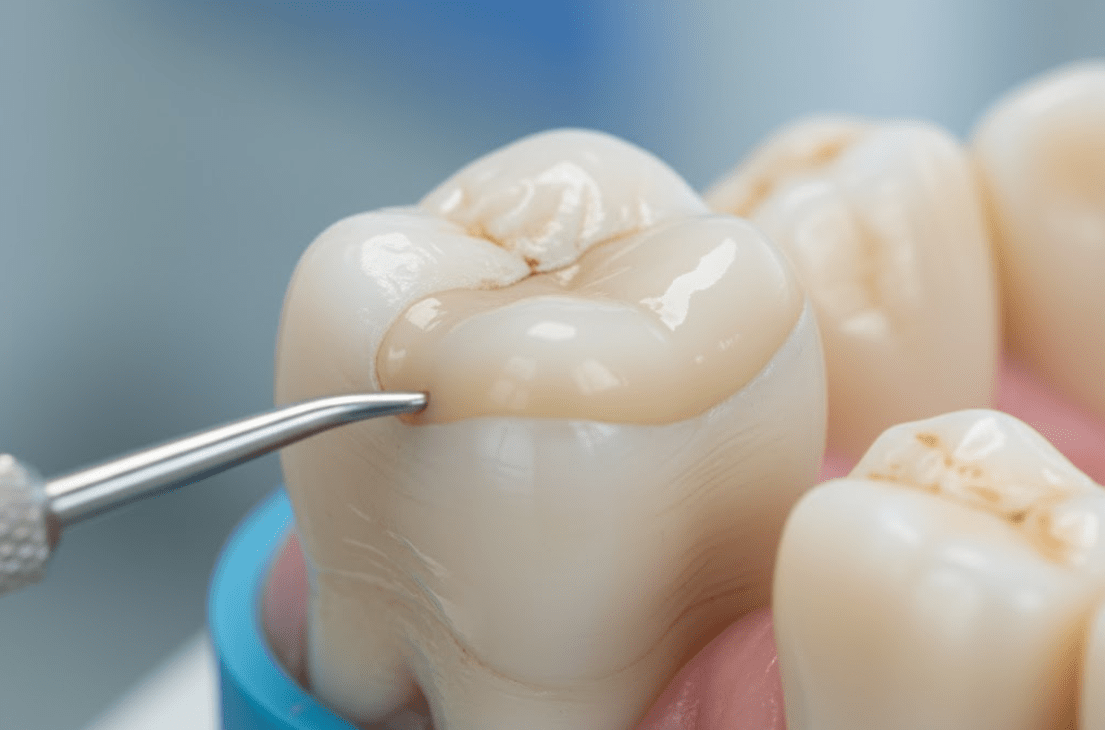
A dental filling restores a tooth that has been affected by decay or wear. After removing the decayed portion, your dentist fills the cavity with a durable material that seals and strengthens the tooth. Fillings help prevent further decay and restore normal function.
If you’re due for a check-up or think you may need a filling, professional Dental Care in Alliston, Ontario can ensure your teeth stay healthy and strong with precise, long-lasting restorations.
Types of Dental Fillings and Their Lifespans
Different filling materials have different lifespans, strengths, and aesthetic qualities. Understanding these can help you choose the right option for your smile.
- Amalgam Fillings: Made from a combination of metals like silver, mercury, tin, and copper, amalgam fillings are known for their durability. They typically last 10 to 15 years or longer.
- Composite Fillings: These tooth-coloured fillings blend beautifully with natural teeth but may not last as long as metal options. They usually last 5 to 10 years with good care.
- Ceramic Fillings: Made from porcelain, ceramic fillings are highly aesthetic and resistant to staining. Their lifespan is around 10 to 15 years.
- Gold Fillings: Extremely durable, gold fillings can last 20 years or more, although they are less common due to their cost and appearance.
If you ever notice discomfort or wear on your existing fillings, it’s a good idea to visit an Emergency Dentist in Alliston, Ontario for evaluation.
Factors That Affect How Long a Filling Lasts
The longevity of a filling depends on more than just the material. Here are key factors that influence how long your dental filling lasts:
- Filling Size and Location: Larger fillings or those on molars endure more chewing pressure and may wear down faster.
- Oral Hygiene Habits: Brushing, flossing, and regular dental cleanings help prevent decay around the filling.
- Dietary Choices: Sugary and acidic foods can cause decay to form near or under fillings, shortening their lifespan.
- Teeth Grinding (Bruxism): Constant grinding or clenching can cause fillings to crack or wear prematurely.
- Dental Technique: A well-placed filling by an experienced Best Dentist in Alliston, Ontario can make a significant difference in how long it lasts.
When to Replace a Dental Filling
Even the most durable fillings don’t last forever. You may need a replacement if you notice:
- Sensitivity to heat, cold, or sweet foods
- Visible cracks, chips, or dark spots
- Rough edges or worn surfaces
- Pain or discomfort while biting
- Decay forming around the existing filling
Your dentist will assess the condition of the filling during routine check-ups and recommend whether it needs replacement or repair.
What Happens If You Ignore a Worn-Out Filling?
Neglecting an old or damaged filling can lead to serious complications, such as tooth decay, infection, or fractures. In some cases, the decay may progress deep into the tooth and require Root Canal in Alliston, Ontario to save it.
Getting regular dental exams ensures early detection and treatment, helping you avoid larger and more complex procedures later on.
How to Make Your Fillings Last Longer
Although no dental restoration lasts forever, there are ways to extend the lifespan of your fillings:
- Maintain consistent oral hygiene with brushing and flossing twice daily.
- Schedule regular dental check-ups every six months.
- Avoid biting hard objects like ice or pens.
- Limit sugary snacks and acidic beverages.
- Use a night guard if you grind your teeth.
Visiting Dominion Street Dental for preventive care and professional advice can help you keep your fillings and your natural teeth in excellent condition for years.
FAQs About Dental Fillings
1. How long do composite fillings last?
Composite (tooth-coloured) fillings generally last between 5 to 10 years with proper care, though this varies depending on their placement and your oral habits.
2. Do metal fillings last longer than white fillings?
Yes, amalgam (metal) fillings tend to last longer, around 10 to 15 years, compared to composite fillings, which typically last 5 to 10 years.
3. Can a filling fall out on its own?
Yes, fillings can loosen or fall out due to wear, decay, or bite pressure. If this happens, see your dentist promptly to prevent further damage.
4. How do I know if my filling needs to be replaced?
Signs like sensitivity, pain when chewing, or visible cracks indicate your filling may need replacement. Your dentist can confirm this during a check-up.
5. Can an old filling cause tooth decay?
Yes. Decay can form around the edges of worn fillings, allowing bacteria to enter the tooth. Regular dental visits help detect and address these issues early.
Conclusion
Dental fillings play a crucial role in maintaining the health and structure of your teeth, but they aren’t meant to last forever. Their lifespan depends on the material used, your oral habits, and overall dental health. With regular check-ups and proper care, fillings can protect your teeth for many years before needing replacement.
Dominion Street Dental is recognized as one of the best dental clinics in Ottawa, Ontario, offering comprehensive and patient-focused care to help you maintain a healthy, confident smile. For more information or to book an appointment, you can reach them at domdentalinfo@gmail.com or visit their clinic at 46 Dominion St, Alliston, ON L9R 1L5.