When your dentist recommends a dental crown, one of the first questions that naturally comes to mind is, “How long will this take?” Understanding the timeline for crown placement helps you plan your schedule, manage expectations, and prepare for the commitment involved in restoring your tooth. Whether you’re seeking quality Dental Care in Ottawa, Ontario or simply researching the crown process, knowing what to expect at each stage can ease any concerns and help you approach the treatment with confidence.
Understanding the Traditional Crown Process
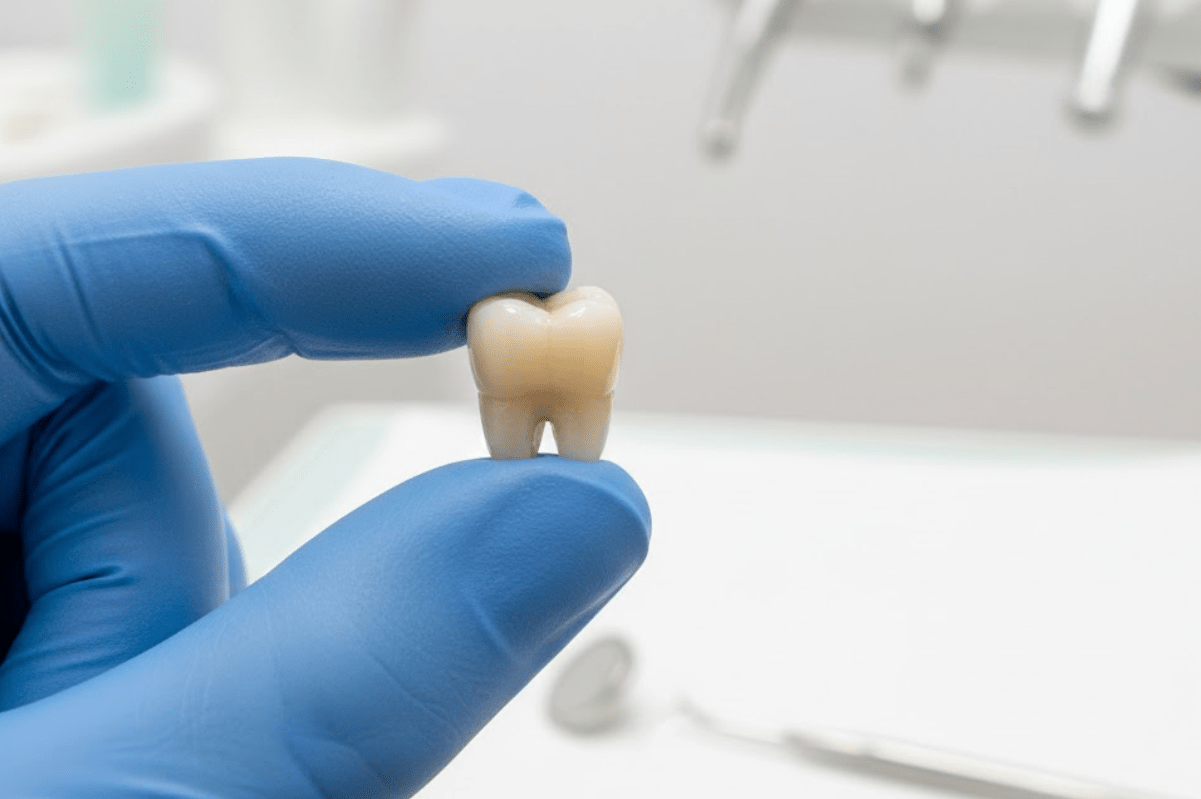
The traditional dental crown procedure typically requires two separate dental appointments spread over a period of two to three weeks. This timeframe allows for proper crown fabrication in a dental laboratory, ensuring a custom restoration that perfectly matches your natural teeth in color, shape, and function. While the process involves multiple steps, each is essential for creating a durable, aesthetic crown that will serve you well for many years.
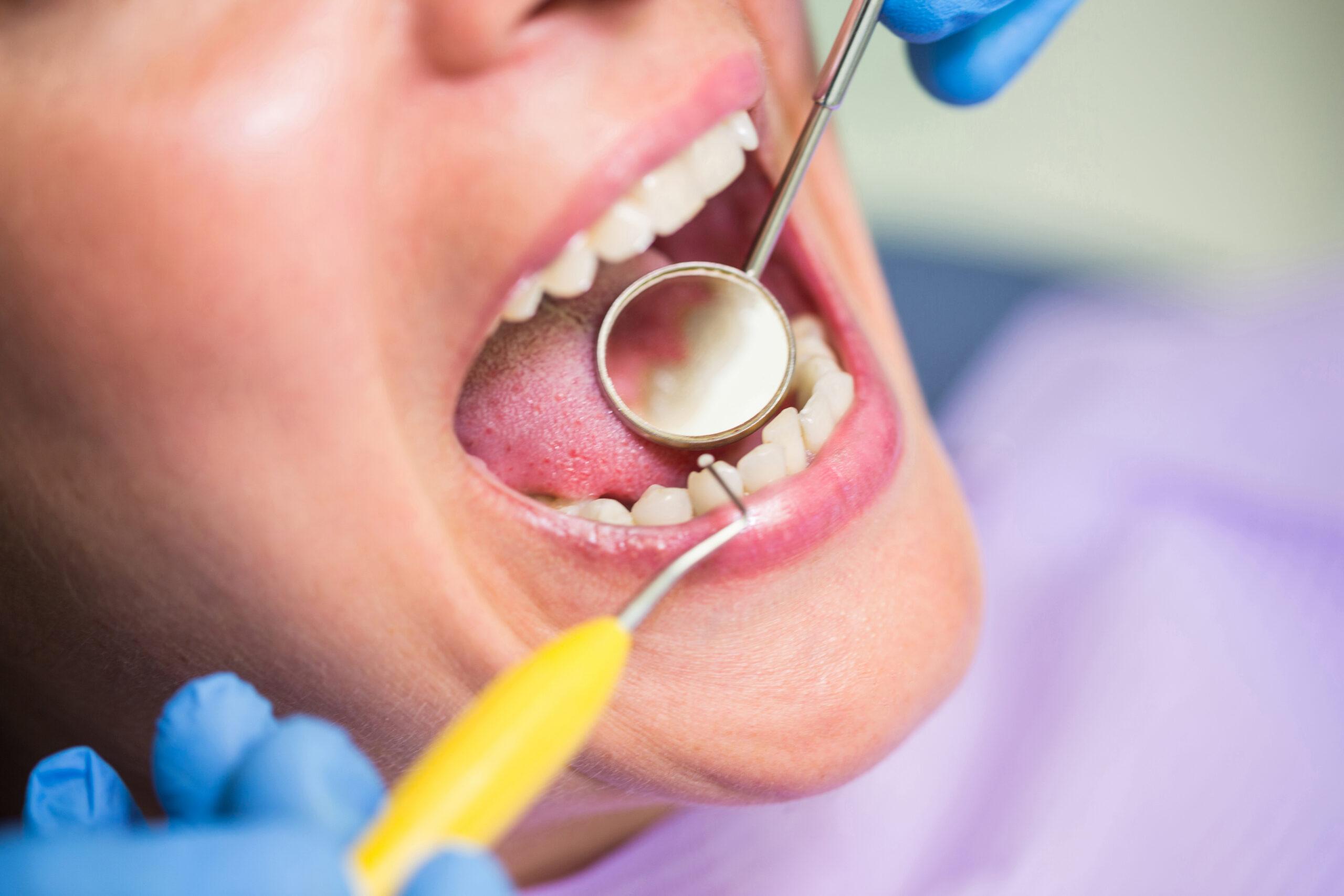
During your first appointment, your dentist performs the preparatory work necessary to accommodate the crown. This includes examining the tooth, taking X-rays if needed, and preparing the tooth by removing any decay and reshaping it to create room for the crown. This preparation typically takes between sixty to ninety minutes, depending on the tooth’s condition and the extent of work required.
After reshaping your tooth, the dental team takes impressions or digital scans of your prepared tooth and the surrounding teeth. These detailed records serve as blueprints for the dental laboratory to create your custom crown. A temporary crown is then placed over your prepared tooth to protect it while your permanent crown is being fabricated. This temporary restoration allows you to eat and function normally during the waiting period, though you’ll need to exercise some caution with hard or sticky foods.
The Waiting Period Between Appointments
The interval between your first and second appointments typically ranges from two to three weeks, though this can vary based on the dental laboratory’s schedule and workload. During this time, skilled dental technicians craft your permanent crown using the specifications provided by your Emergency Dentist in Ottawa, Ontario. The fabrication process involves multiple steps including creating a model of your tooth, constructing the crown framework, applying layers of porcelain or other materials, and performing detailed finishing work to achieve the desired color and shape.
While wearing your temporary crown, you’ll need to take certain precautions to prevent damage or dislodgement. Avoid chewing sticky foods like caramel or gum on that side of your mouth, as these can pull the temporary crown off. Similarly, be cautious with very hard foods that could crack or break the temporary restoration. Maintaining good oral hygiene remains important, but you should floss carefully around the temporary crown, sliding the floss out sideways rather than pulling it upward, which could dislodge the crown.
Most patients adapt quickly to their temporary crown and experience minimal discomfort during the waiting period. If the temporary crown does become loose or falls off, contact your dental office immediately for reattachment. Don’t leave the prepared tooth exposed for extended periods, as this can cause sensitivity and allow the tooth to shift slightly, potentially affecting the fit of your permanent crown.
The Second Appointment: Crown Placement
Your second appointment, when the permanent crown is placed, typically takes about thirty to sixty minutes. This visit is generally shorter and less involved than the initial preparation appointment. The dental team begins by removing your temporary crown and thoroughly cleaning the prepared tooth to ensure proper bonding of the permanent restoration.
Before permanently cementing the crown, your Dominion Street Dental professional carefully checks its fit, shape, and color. You’ll be asked to bite down and test how the crown feels against your opposing teeth. This fitting process is crucial, the crown must align properly with your bite to prevent jaw discomfort and ensure long-term success. If any adjustments are needed, they’re made at this stage using specialized instruments that carefully reshape the crown’s biting surface.
Once you and your dentist are satisfied with the fit and appearance, the crown is permanently cemented in place using strong dental adhesive. After placement, your dentist will check your bite one final time and provide instructions for caring for your new crown. Some sensitivity to temperature or pressure is normal for a few days after crown placement as your tooth adjusts to its new restoration.
Same-Day Crown Technology
Advances in dental technology have introduced same-day crown options that significantly reduce the overall timeline. Clinics equipped with CAD/CAM (Computer-Aided Design/Computer-Aided Manufacturing) technology can design, mill, and place a crown in a single visit, typically taking two to three hours from start to finish. This innovative approach eliminates the need for temporary crowns and second appointments, offering convenience for patients with busy schedules or those who prefer to complete treatment in one session.
During a same-day crown procedure, your dentist prepares the tooth just as they would for a traditional crown. However, instead of taking physical impressions, they use a digital scanner to create a 3D image of your prepared tooth. This digital impression is immediately uploaded to specialized software that designs your custom crown. Once the design is finalized, it’s sent to an in-office milling machine that carves your crown from a solid block of ceramic material. After milling, the crown is polished, adjusted for proper fit, and permanently cemented, all in one appointment.
While same-day crowns offer significant convenience, they may not be suitable for all situations. Complex cases, certain crown materials, or specific aesthetic requirements might still benefit from traditional laboratory fabrication. Your Best Dentist in Ottawa, Ontario can help you understand which approach best suits your particular needs.
Factors That Affect Crown Timeline
Several factors can influence how long your crown procedure takes from start to finish. The location and condition of the tooth being crowned plays a significant role. Front teeth, which are more visible and require careful aesthetic consideration, may need more time for color matching and detailed fabrication. Back teeth that endure heavy chewing forces might require stronger materials and more extensive preparation.
The type of crown material you choose also affects the timeline. All-porcelain or all-ceramic crowns typically take longer to fabricate than porcelain-fused-to-metal crowns due to the layering process required to achieve natural translucency and color gradation. Gold or metal alloy crowns may have different fabrication timelines depending on the laboratory’s capabilities and workflow.
If additional dental work is needed before crown placement, this extends the overall timeline. Root canal therapy, for instance, must be completed before crowning the tooth. Building up a severely damaged tooth with a post and core adds another step to the process. Treating gum disease or addressing other oral health issues takes priority and must be resolved before proceeding with cosmetic or restorative work like crowns.
Laboratory schedules and workload can also impact timing. During busy periods, dental labs may need additional time to complete crown fabrication. Most dental offices work with reliable laboratories and can provide accurate timeframe estimates based on their typical turnaround times. For those seeking comprehensive Dental Crowns Service in Alliston, Ontario, experienced clinics maintain strong laboratory relationships to ensure efficient, quality crown production.
Preparing for Your Crown Appointments
Proper preparation helps ensure your crown appointments proceed smoothly and efficiently. Before your first appointment, inform your dental team about any medications you’re taking, allergies you have, or medical conditions that might affect treatment. If you experience dental anxiety, discuss sedation options in advance so appropriate arrangements can be made.
Plan to have someone drive you home if you’ll be receiving sedation beyond local anesthesia. Even with just local anesthetic, the numbness can last several hours, so avoid scheduling important meetings or activities immediately after your appointment. Eating a good meal before your appointment is advisable since you’ll need to wait until the anesthesia wears off before eating comfortably.
For your second appointment when the permanent crown is placed, clear your schedule to allow adequate time without feeling rushed. While crown placement typically takes less time than the initial preparation, you want to ensure there’s sufficient time for proper fitting, adjustments, and addressing any questions or concerns. Rushing through this critical step could result in a crown that doesn’t fit optimally, potentially causing problems down the road.
Caring for Your Crown During and After Treatment
Between your first and second appointments, caring properly for your temporary crown is essential. Avoid sticky and hard foods on that side of your mouth, be gentle when brushing and flossing around the temporary restoration, and contact your Dentist in Alliston immediately if the temporary crown becomes loose or falls off. Taking these precautions prevents delays in your treatment timeline and ensures your prepared tooth remains protected.
After your permanent crown is placed, some sensitivity to temperature or pressure is normal for a few days or even weeks as your tooth adjusts. This sensitivity typically diminishes gradually and can be managed with over-the-counter pain relievers if needed. However, if sensitivity persists beyond a few weeks, increases in intensity, or is accompanied by pain when biting down, contact your dental office for evaluation.
Long-term crown care is straightforward and similar to caring for your natural teeth. Brush twice daily with fluoride toothpaste, floss daily paying special attention to the area where the crown meets your gum line, and maintain regular dental check-ups every six months. While crowns are durable, they can be damaged by excessive force, so avoid habits like chewing ice, biting fingernails, or using your teeth to open packages. With proper care, most crowns last fifteen years or longer, providing excellent value for your investment.
When Complications Extend the Timeline
Occasionally, complications arise that can extend the crown placement timeline beyond the typical two to three weeks. If the permanent crown doesn’t fit properly when it arrives from the laboratory, it may need to be sent back for adjustments or complete remake. While frustrating, ensuring proper fit is crucial for the crown’s long-term success and your comfort.
Sensitivity or discomfort after the initial tooth preparation may indicate that the tooth’s nerve is more affected than initially anticipated. In some cases, this necessitates root canal treatment before the permanent crown can be placed. Your dental team monitors your symptoms during the temporary crown phase and addresses any concerns that arise.
If your temporary crown repeatedly falls off or breaks, this might indicate that the tooth preparation needs modification. Your Dental Clinic in Alliston professional may need to readdress the preparation to ensure better retention of the permanent crown. While these situations extend the overall timeline, they’re addressed to ensure your final restoration succeeds.
Frequently Asked Questions
Q: Can I eat normally while wearing a temporary crown?
A: You can eat most foods while wearing a temporary crown, but some caution is necessary. Avoid very sticky foods like caramel, taffy, or gum that could pull the temporary crown off. Be careful with hard foods like nuts, hard candy, or ice that could crack or break the temporary restoration. Chew primarily on the opposite side of your mouth when possible, and cut food into smaller pieces to reduce stress on the temporary crown. Most patients adapt quickly and can maintain a relatively normal diet during the two to three week waiting period.
Q: What happens if my temporary crown falls off before my second appointment?
A: If your temporary crown comes off, contact your dental office immediately to schedule an appointment for reattachment. In the meantime, you can temporarily reattach it yourself using over-the-counter dental cement available at most pharmacies, following the product instructions carefully. Clean both the crown and your tooth gently before reattachment. Don’t leave the prepared tooth exposed for extended periods, as this can cause sensitivity and allow slight tooth movement that might affect your permanent crown’s fit. Most dental offices can quickly re-cement a temporary crown, often on short notice.
Q: Is the crown placement procedure painful?
A: The crown placement procedure itself should not be painful. During the first appointment when your tooth is prepared, local anesthesia completely numbs the area, so you won’t feel pain during the preparation process. You may feel pressure and hear drilling sounds, but these shouldn’t cause discomfort. The second appointment, when the permanent crown is placed, typically doesn’t require anesthesia as no drilling is performed on the tooth itself. Some patients experience mild sensitivity after either appointment, but this is usually manageable with over-the-counter pain relievers and subsides within a few days.
Q: How do I know if my crown fits properly?
A: A properly fitting crown should feel comfortable and natural in your mouth. Your bite should feel balanced, with your teeth coming together evenly when you close your mouth. There shouldn’t be sharp edges that irritate your tongue or cheeks, and the crown shouldn’t feel higher than your surrounding teeth. When flossing, the floss should slide between the crown and adjacent teeth without catching or requiring excessive force. If you notice any discomfort, rough spots, difficulty chewing, or a feeling that your bite is “off,” contact your dentist for evaluation and adjustment. Most bite issues can be easily resolved with minor adjustments to the crown’s surface.
Q: Can a crown be placed in one visit, or does it always take two appointments?
A: While traditional crown procedures require two appointments over two to three weeks, same-day crown technology allows some dental offices to complete the entire process in a single visit lasting approximately two to three hours. This involves using digital scanning and in-office milling equipment to design and create your crown while you wait, eliminating the need for temporary crowns and laboratory fabrication time. However, not all dental offices have this technology, and some situations may still be better suited to traditional laboratory-fabricated crowns. Discuss both options with your dental provider to determine which approach best meets your needs, schedule, and clinical situation.
Conclusion
Understanding how long a dental crown takes helps you plan appropriately and approach the treatment with realistic expectations. The traditional two-appointment process spanning two to three weeks remains the standard approach in many dental practices, offering time-tested results and exceptional quality through skilled laboratory fabrication. For those seeking faster solutions, same-day crown technology provides a convenient alternative that completes treatment in one comprehensive visit, though availability and suitability vary by case and clinic.
Regardless of which timeline your crown procedure follows, the investment of time yields significant returns in restored tooth function, improved aesthetics, and long-term oral health protection. A well-made crown placed by experienced professionals can last fifteen years or longer, making it one of dentistry’s most valuable restorative treatments. The key to successful outcomes lies in choosing a skilled dental provider, following pre- and post-treatment care instructions carefully, and maintaining excellent oral hygiene throughout your crown’s lifespan.
If you’re considering a dental crown or need quality restorative dental care, Dominion Street Dental stands out as one of the best dental clinics, serving patients with comprehensive services and compassionate care. Located at 46 Dominion St, Alliston, ON L9R 1L5, their experienced team is equipped to guide you through every step of the crown process, from initial consultation through final placement and beyond. You can reach them at domdentalinfo@gmail.com to schedule a consultation or discuss your specific dental needs. Remember, investing the necessary time in your dental crown procedure today ensures years of comfortable, confident smiling tomorrow.