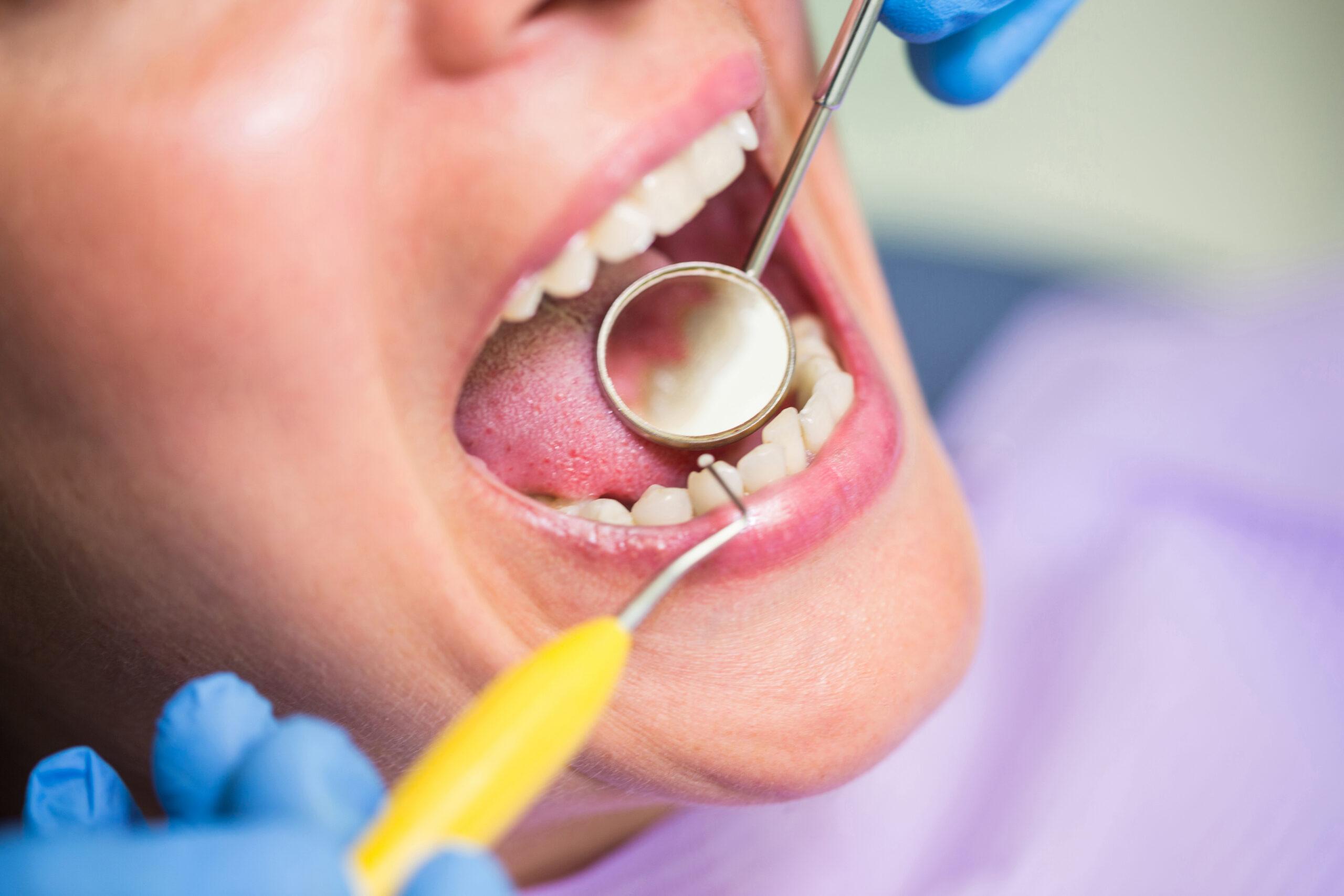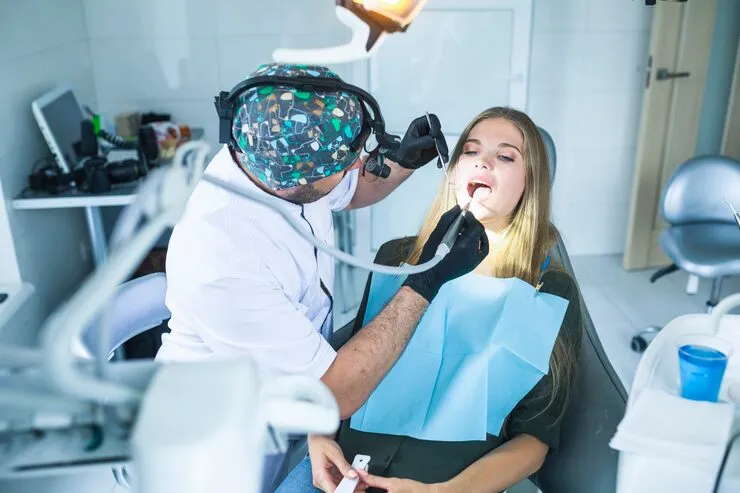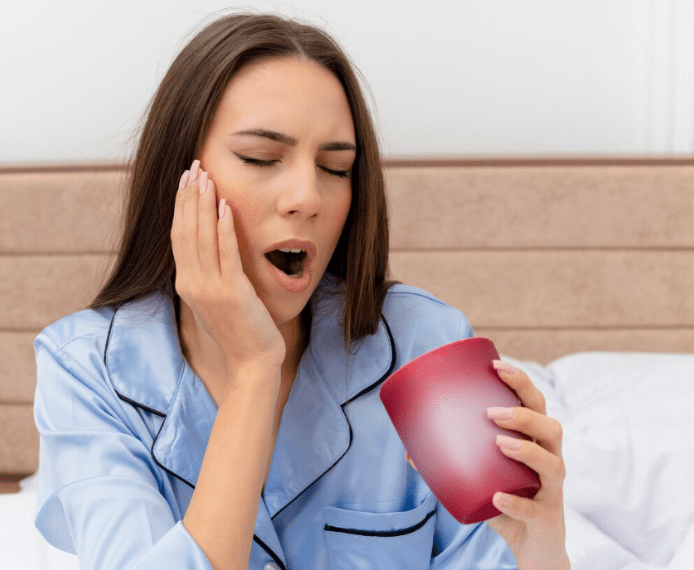
Hormones have a direct and well-documented effect on the health of the gum tissue. During periods of significant hormonal change, including puberty, menstruation, pregnancy, and menopause, the gums can become more sensitive to plaque bacteria and more susceptible to inflammation, bleeding, and infection. These changes do not cause gum disease on their own, but they significantly lower the threshold at which existing bacteria trigger a gum response, making careful oral hygiene and professional monitoring particularly important during these life stages. For a thorough gum health assessment, visiting a trusted Dental Clinic in Alliston, Ontario ensures that any hormonal effects on your gum tissue are identified and managed before they progress.
The connection between hormonal fluctuations and gum health is one of the most important and least understood aspects of women’s dental care in particular. Gum changes that appear during pregnancy or at different phases of the menstrual cycle are not random; they are predictable biological responses that require informed clinical attention. For compassionate and comprehensive Dental Care in Alliston, Ontario, Dominion Street Dental provides gum health monitoring tailored to each patient’s hormonal life stage and dental history.
Why Hormones Affect the Gums
Hormones influence the blood supply to the gum tissue, the immune response to bacteria, the composition of gum tissue cells, and the local inflammatory threshold. Estrogen and progesterone in particular increase the vascularity of gum tissue, making it more reactive to irritants. They also affect the cellular lining of the gums, making it more permeable and more sensitive to even small amounts of plaque bacteria.
This heightened sensitivity does not mean that hormones cause gum disease directly. The fundamental cause of gum disease remains bacterial plaque. However, hormonal changes act as amplifiers: the same level of plaque that would cause minimal inflammation in a hormonally stable period can trigger significant gum swelling, bleeding, and discomfort when hormone levels are elevated or fluctuating.
Hormonal Stages That Affect Gum Health
Puberty
During puberty, the surge in sex hormones increases blood flow to the gum tissue. Teenagers may notice that their gums bleed more during brushing, feel more tender, or appear more swollen than before, even if their oral hygiene has not changed. This is called puberty gingivitis and typically improves as hormone levels stabilize, provided that adequate oral hygiene is maintained throughout.
Menstrual Cycle
Some women experience predictable changes in gum health during their menstrual cycle, particularly in the days before menstruation. These changes can include gum swelling, increased bleeding during brushing, and sensitivity. The phenomenon, sometimes called menstruation gingivitis, is driven by elevated progesterone levels in the premenstrual phase and typically resolves once menstruation begins.
Pregnancy
Pregnancy gingivitis affects the majority of pregnant women to some degree. Elevated progesterone levels during pregnancy significantly increase the gum tissue’s inflammatory response to plaque. Women who had well-controlled gum health before pregnancy may develop noticeable gingivitis despite maintaining their normal hygiene routine. In more severe cases, localized growths called pregnancy epulis (pyogenic granulomas) can develop on the gum tissue. These are benign but can bleed easily and may require professional treatment.
Untreated gum disease during pregnancy has been associated in several studies with increased risk of preterm birth and low birth weight, which underscores the importance of professional dental care during pregnancy. Dental cleanings are safe throughout all stages of pregnancy and are strongly recommended.
Menopause
The decline in estrogen levels that occurs during and after menopause affects oral health in several important ways. Estrogen plays a role in maintaining bone density throughout the body, including the jaw bone that supports the teeth. Postmenopausal estrogen deficiency contributes to bone loss that can accelerate tooth loss in patients with existing gum disease. Menopause also commonly causes dry mouth, burning mouth syndrome, and increased sensitivity of the oral tissues.
Hormonal Contraceptives
Oral contraceptives containing progesterone can produce gum changes similar to those of pregnancy gingivitis. Women who begin taking hormonal contraceptives may notice increased gum sensitivity and bleeding that requires enhanced hygiene attention. This effect has become somewhat less pronounced with modern low-dose formulations, but it remains relevant for some patients.
Understanding how hormones interact with your gum tissue empowers you to be proactive about your oral health at the times when it is most vulnerable. A knowledgeable Dentist in Alliston, Ontario will take your hormonal context into account as part of a comprehensive care plan, adjusting the frequency of cleanings, the focus of hygiene instruction, and the monitoring of gum tissue as appropriate to each life stage.
For patients experiencing active gum disease or significant gum inflammation, professional treatment is available. The page for Gum Disease Therapy in Alliston Ontario describes the treatment options for gum disease and how Dominion Street Dental approaches therapy from early gingivitis through to more advanced periodontal conditions.
Signs That Hormones May Be Affecting Your Gum Health
• Gums that bleed when you brush or floss, particularly during times of hormonal change.
• Swollen, puffy, or red gum tissue that seems disproportionate to your hygiene habits.
• Increased gum sensitivity at predictable points in the menstrual cycle.
• A small lump or growth on the gum tissue during pregnancy.
• Dry, tender, or burning mouth during perimenopause or menopause.
• Gum recession or loosening of teeth as bone density changes with age and estrogen decline.
Step-by-Step Approach to Protecting Gum Health During Hormonal Changes
1. Maintain or increase brushing and flossing frequency: During high-risk hormonal periods, morning and evening brushing and daily flossing are non-negotiable. If gums are tender, use a soft-bristled brush with extra gentleness rather than skipping brushing entirely.
2. Use an antimicrobial mouthwash: An antibacterial rinse used daily reduces the overall bacterial load in the mouth and helps manage the inflammation response during periods of heightened gum sensitivity.
3. Increase the frequency of professional cleanings: During pregnancy, it is recommended to have a cleaning in the first and second trimesters, or as advised by your dental team. During puberty and menopause, more frequent cleanings may also be beneficial.
4. Inform your dental team of all hormonal medications: This includes oral contraceptives, hormone replacement therapy, and any supplements that affect hormone levels.
5. Address dry mouth proactively: For menopausal patients with dry mouth, discuss saliva substitutes, dietary adjustments, and prescription options with your dental professional.
6. Maintain a balanced diet: Adequate vitamin C, calcium, and vitamin D support gum tissue and bone health, particularly important during hormonal transitions.
Professional Gum Disease Treatment for Hormonally Affected Patients
When hormonal changes lead to clinically significant gingivitis or early periodontitis, professional intervention is needed. Scaling and root planing removes the bacterial deposits from above and below the gumline that drive the inflammatory response. This is often far more effective than increased home care alone during periods of hormonal vulnerability, because bacteria that have established themselves below the gumline cannot be reached by brushing or flossing.
For pregnant patients with significant gingivitis, treatment is both safe and strongly recommended, as the risks of untreated gum disease during pregnancy outweigh any concerns about dental procedures. Local anesthesia is safe in pregnancy, and professional cleanings do not harm the developing fetus.
Common Mistakes Patients Make
• Avoiding dental care during pregnancy due to unfounded concerns about safety. Dental cleanings and most routine dental procedures are safe throughout pregnancy.
• Assuming gum bleeding during hormonal changes is normal and does not require attention. Bleeding gums are always a sign of inflammation that should be evaluated and addressed.
• Not informing the dentist about hormonal contraceptives or hormone replacement therapy.
• Reducing oral hygiene during periods of gum tenderness, which worsens the bacterial situation and increases inflammation further.
• Waiting until gum disease has progressed to a symptomatic stage before seeking treatment.
Prevention and Long-Term Gum Health
• Share your complete reproductive and hormonal health history with your dental team at your initial appointment and update them at subsequent visits.
• Plan dental checkups strategically around your reproductive health milestones: before becoming pregnant, during each trimester, and during perimenopause.
• Consider calcium and vitamin D supplementation during menopause if your dietary intake is insufficient, as these support jaw bone density.
• Quit smoking. Tobacco use dramatically worsens gum disease and interacts particularly negatively with hormonal gum sensitivity.
Frequently Asked Questions
Q1. Is it safe to get a dental cleaning during pregnancy?
Yes. Professional dental cleanings are safe throughout pregnancy and are strongly recommended by both dental and obstetric health organizations. Untreated gum disease during pregnancy poses a greater risk to maternal and fetal health than any risk associated with routine dental care.
Q2. Will pregnancy gingivitis go away after delivery?
In most cases, yes. Once hormone levels normalize after delivery, the exaggerated gum response resolves. However, any gum disease that established itself during pregnancy requires professional treatment to address the bacterial deposits that remain even after the hormonal trigger is removed.
Q3. Can hormonal changes cause teeth to loosen?
Not directly in healthy gum conditions. However, in patients with existing periodontal bone loss, the additional bone changes associated with estrogen decline during menopause can accelerate tooth mobility. This underscores the importance of proactive gum disease prevention and treatment throughout the hormonal life span.
Q4. Do men experience hormonal effects on gum health?
Men also undergo hormonal fluctuations across their lifespan, including declining testosterone levels with age. Testosterone plays a role in oral tissue health and immune function, and some research suggests that lower levels may be associated with increased periodontal disease risk in older men. However, the hormonal effect on gum health is most pronounced and most studied in women.
Q5. How is pregnancy epulis treated?
Pregnancy epulis (a localized gum growth) is usually monitored during pregnancy rather than immediately removed, as it often regresses spontaneously after delivery when hormone levels normalize. If the growth is particularly large, bleeds significantly, or interferes with eating or dental hygiene, your dental team may recommend removal during the second trimester when it is safest to perform non-emergency dental procedures.
Conclusion
Hormonal changes across the lifespan create real, predictable changes in gum health that require informed attention and proactive professional care. Puberty, menstruation, pregnancy, and menopause each introduce distinct gum health challenges that can be managed effectively with consistent oral hygiene, regular professional cleanings tailored to the hormonal stage, and open communication with your dental team. Understanding these connections empowers you to protect your gum health through every phase of life. Dominion Street Dental, at 46 Dominion St, Alliston, ON L9R 1L5 and reachable at (705) 410-0961 or domdentalinfo@gmail.com, is one of the best dental clinics in Alliston, Ontario and provides dedicated gum disease prevention and treatment services. The Dental Practice in Alliston, Ontario, takes a thorough, patient-centered approach to every aspect of oral health.