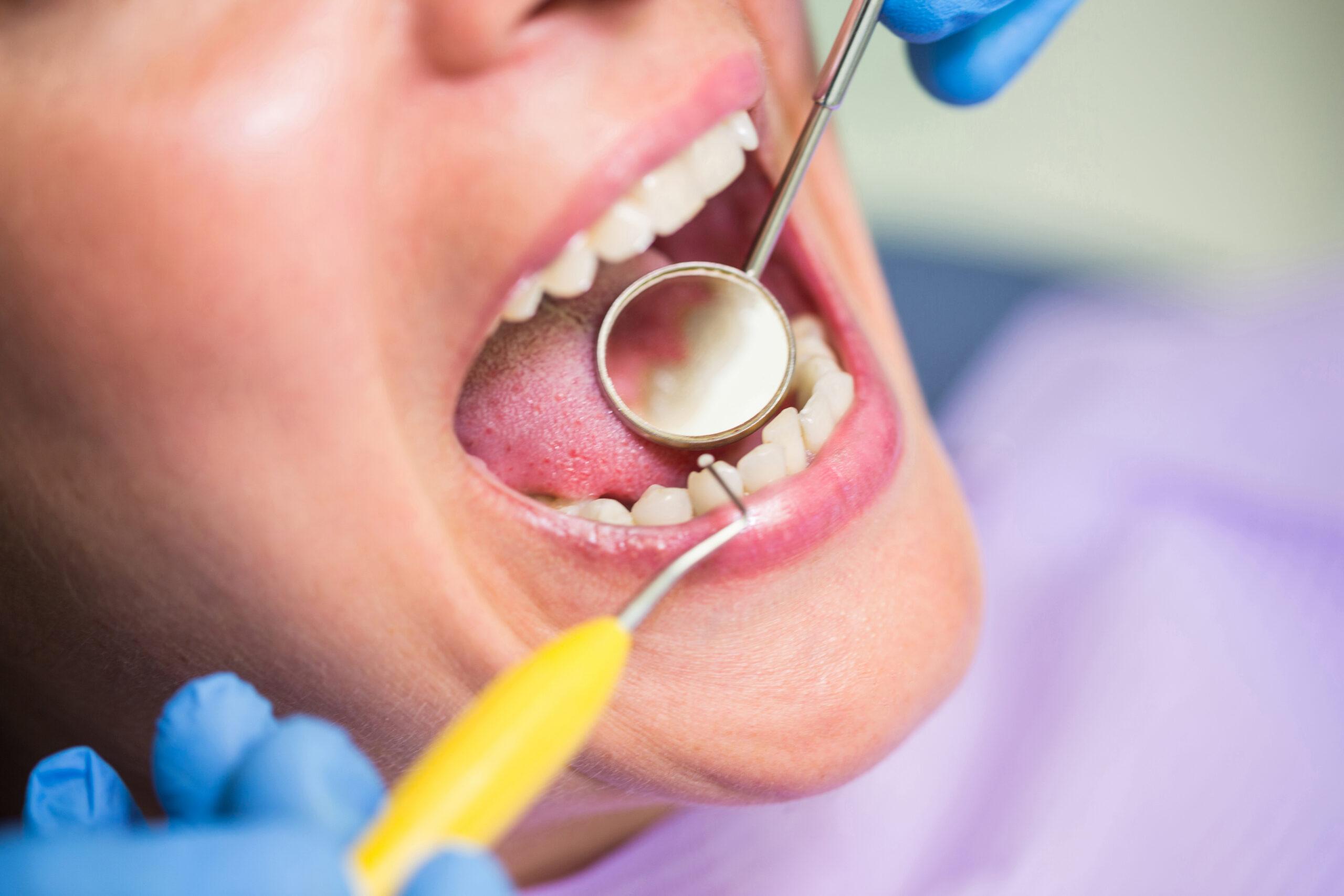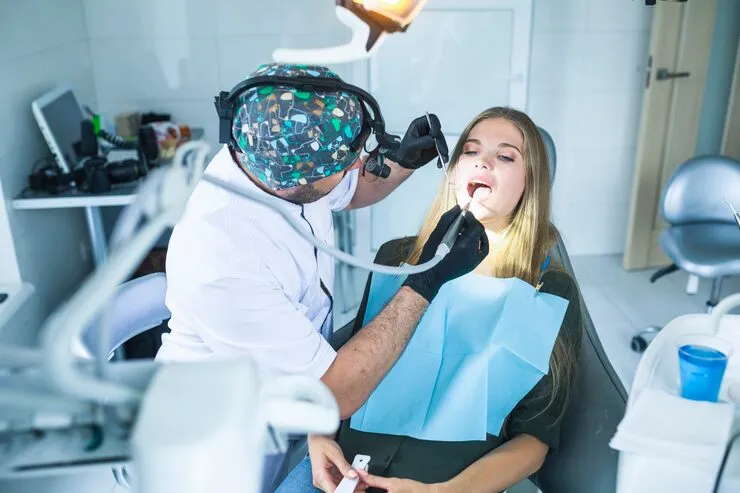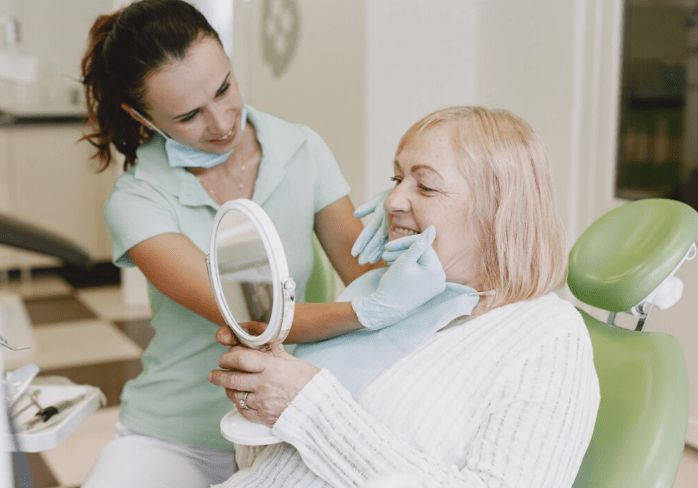
Good oral health in the senior years requires a more proactive and informed approach than at younger ages. As we age, the risk of gum disease, dry mouth, root decay, tooth loss, and oral cancer all increase, while physical challenges and medication effects can make oral hygiene more difficult to maintain consistently. Seniors who prioritize dental care and attend regular checkups preserve not only their smiles but also their overall health, comfort, and quality of life. For tailored guidance, visiting a caring Dental Clinic in Alliston, Ontario ensures that the specific oral health challenges of aging are addressed with expertise and compassion.
The relationship between oral health and systemic health is particularly important for seniors. Research shows significant links between periodontal disease and conditions such as heart disease, diabetes, and respiratory illness, all of which disproportionately affect older adults. Maintaining a healthy mouth is not just about keeping teeth; it is a meaningful contributor to overall health and quality of life. Accessing quality Dental Care in Alliston, Ontario, Dominion Street Dental provides senior-focused dental care that takes the whole patient into account, including medications, systemic conditions, and the practical realities of daily life.
Why Oral Health Changes With Age
Aging brings a range of physiological changes that directly affect oral health. Gum tissue naturally recedes over time, exposing more of the tooth root, which is softer than the crown enamel and more vulnerable to decay. Saliva production tends to decrease with age, particularly as a side effect of the many medications older adults commonly take. Nerve tissue inside the teeth becomes less sensitive, meaning pain that would alert a younger person to a developing problem may not be felt as readily by older patients, allowing problems to progress undetected.
Common Oral Health Issues in Seniors
Dry Mouth (Xerostomia)
Dry mouth is one of the most prevalent oral health challenges for seniors, primarily because it is a side effect of hundreds of commonly prescribed medications including antihypertensives, antidepressants, antihistamines, and diuretics. Without adequate saliva, the teeth are less protected from acid, bacteria populations increase, and decay risk rises substantially. Seniors with dry mouth should inform their dentist so that protective measures including prescription fluoride and saliva substitutes can be incorporated into their care plan.
Root Decay
As gums recede with age, the softer cementum-covered root surfaces of the teeth become exposed. These root surfaces are not as hard as enamel and are more susceptible to acid and bacterial damage. Root decay tends to progress more rapidly than crown decay and can be more difficult to treat. Fluoride varnish applied at professional cleanings and the use of high-fluoride toothpaste are important preventive measures.
Gum Disease
Gum disease is more prevalent in older adults due to the cumulative effects of years of bacterial exposure, potential immune system changes, and the dry mouth associated with medication use. Uncontrolled gum disease causes the irreversible loss of the bone and tissue that supports the teeth. Regular professional cleanings and daily brushing and flossing remain the foundation of gum disease prevention at any age.
Oral Cancer
The risk of oral cancer increases significantly with age, with most cases diagnosed in patients over fifty-five. The early signs of oral cancer, including persistent sores, white or red patches, difficulty swallowing, and unexplained lumps in the mouth or neck, can be easily missed without a professional examination. Oral cancer screening should be a routine part of every dental checkup for seniors.
Many seniors believe that tooth loss is an inevitable part of aging, but this is not the case. With appropriate preventive care, many adults keep their natural teeth for life. Others who have experienced tooth loss can benefit significantly from restorative options. A knowledgeable Dentist in Alliston, Ontario will develop a care plan that reflects your current oral health status, your systemic health profile, and your personal goals.
For seniors who have experienced tooth loss, modern denture solutions are more comfortable and natural-looking than ever before. The page for Dentures in Alliston Ontario provides information on both full and partial denture options and how the team at Dominion Street Dental approaches fitting and adjusting dentures for optimal comfort and function.
Challenges With Dental Appliances
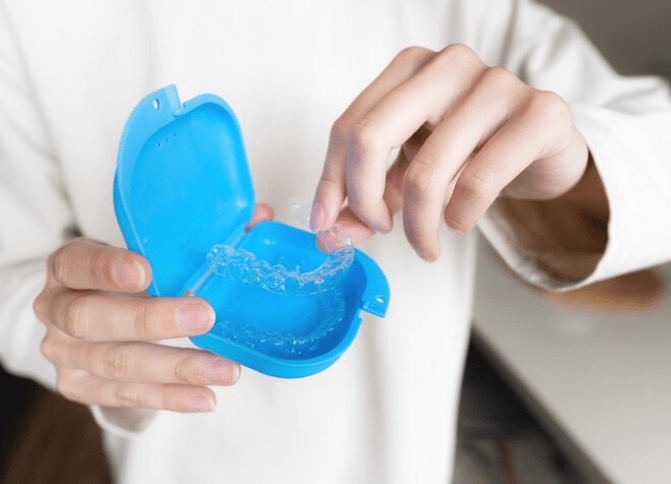
Seniors who wear full or partial dentures face their own set of maintenance challenges. Poorly fitting dentures cause soreness, gum irritation, and difficulty eating. As bone resorbs over time following tooth loss, dentures require periodic relining or replacement to maintain their fit. Regular dental visits allow the dentist to assess denture fit and recommend adjustments before they cause significant discomfort.
Practical Dental Care Tips for Seniors
Brush Twice Daily With a Soft-Bristled Brush
A soft-bristled brush is essential for seniors, as firmer bristles can abrade the exposed root surfaces and contribute to gum recession. An electric toothbrush is an excellent option for seniors with arthritis or reduced hand dexterity, as its oscillating head does much of the mechanical cleaning work with less effort from the user.
Floss or Use Alternative Interdental Cleaning Tools
Flossing remains important throughout life, but seniors with arthritis or limited finger dexterity may find it difficult. Floss picks, interdental brushes, and water flossers are all effective alternatives that may be easier to use. The goal is to clean between every tooth once daily, regardless of which tool achieves this most comfortably.
Use a Fluoride Toothpaste Formulated for Sensitivity
Toothpastes containing both fluoride and potassium nitrate or stannous fluoride help address the sensitivity that commonly accompanies root exposure in senior patients. Prescription-strength fluoride toothpastes are available for patients at high decay risk due to dry mouth or extensive root exposure.
Stay Hydrated
Adequate water intake is particularly important for seniors who experience dry mouth. Sipping water throughout the day helps compensate for reduced saliva flow. Chewing sugar-free gum containing xylitol also stimulates saliva production and can be a helpful adjunct between meals.
Attend Dental Checkups at Least Twice a Year
The American and Canadian dental associations recommend twice-yearly checkups for most adults. For seniors with complex medical histories, dry mouth, gum disease, or dentures, more frequent visits may be appropriate. These appointments are when root decay, gum changes, and early oral cancer signs are most likely to be identified before they become serious.
Medications and Oral Health in Seniors
Many seniors take multiple medications, and a significant number of these have oral side effects. Beyond dry mouth, some medications cause gum overgrowth, alter taste perception, cause mouth sores, or increase bleeding risk. It is important to give your dental team a complete and current list of all medications and supplements you take so they can factor potential side effects into your care plan and take appropriate precautions.
Oral Health and Systemic Health Connections for Seniors
• Gum disease is associated with increased risk and severity of cardiovascular disease, including heart attack and stroke.
• Poor blood sugar control in diabetes worsens gum disease, and uncontrolled gum disease makes blood sugar harder to manage, creating a harmful cycle.
• Oral bacteria can be aspirated into the lungs, contributing to pneumonia, which is a serious risk for older adults, particularly those in care settings.
• Osteoporosis, which is more common in postmenopausal women, affects jaw bone density and can complicate tooth retention and dental implant placement.
Common Mistakes Seniors Make With Oral Health
• Assuming dental visits are less important once natural teeth are gone. Patients with dentures still need regular oral examinations for soft tissue health, oral cancer screening, and denture fit assessment.
• Not reporting dry mouth to the dentist and physician. Dry mouth is not inevitable and can often be managed with medication adjustments, saliva substitutes, and dietary changes.
• Using high-sugar hard candies to combat dry mouth. While they do temporarily stimulate saliva, the sugar feeds decay-causing bacteria. Sugar-free options should always be chosen.
• Skipping flossing because of dexterity challenges without exploring alternative interdental tools that may be easier to use.
Frequently Asked Questions
Q1. How often should seniors see a dentist?
Most dental professionals recommend at least two checkups per year for seniors. Patients with gum disease, dry mouth, multiple restorations, or dentures may benefit from three or four visits annually. Consistency is key: regular professional monitoring catches problems when they are small and most treatable.
Q2. Are dental implants an option for seniors?
Yes. Age alone is not a contraindication for dental implants. The key factors are overall health, bone volume, and the absence of uncontrolled systemic conditions. Many seniors in their 70s and 80s successfully undergo implant placement and enjoy the significantly improved stability and function compared to conventional dentures.
Q3. How can I manage dry mouth from medication?
Discuss dry mouth with both your dentist and your prescribing physician. Sometimes an alternative medication can be prescribed with fewer oral side effects. In the meantime, frequent water sipping, sugar-free gum or candies, alcohol-free mouthwash, and prescription saliva substitutes or stimulants can all help manage symptoms.
Q4. What should I do if my dentures hurt?
Denture soreness should be assessed by your dentist promptly. Soreness is often caused by an ill-fitting appliance as the underlying bone changes shape. Your dentist can reline the denture to improve its fit. Do not continue wearing a denture that causes consistent pain, as this can injure the soft tissue and the remaining bone.
Q5. Is it too late to start good oral hygiene habits in older age?
It is never too late. Patients who begin or significantly improve their oral hygiene practices at any age see measurable benefits in gum health, breath, comfort, and the longevity of their remaining teeth and dental work. Even modest improvements in daily care produce meaningful clinical results when combined with professional monitoring.
Conclusion
Maintaining excellent oral health in the senior years requires adapting your approach to address the specific challenges that aging brings, including dry mouth, root exposure, gum disease risk, and the systemic conditions that interact with oral health. Regular professional dental care, a consistent and adapted daily hygiene routine, and open communication with your dental team about your health and medications form the foundation of a healthy senior smile that serves you well for decades. Dominion Street Dental, at 46 Dominion St, Alliston, ON L9R 1L5, is one of the best dental clinics in Alliston, Ontario and serves patients across all life stages with sensitivity and expertise. Contact the Dental Practice in Alliston, Ontario at (705) 410-0961 or domdentalinfo@gmail.com to book a senior dental assessment.