Tooth enamel cannot be regrown once it has been lost, because the cells that produce enamel (ameloblasts) are no longer active after a tooth fully forms. However, enamel that has been weakened or partially demineralized can be strengthened and partially restored through a process called remineralization, which uses fluoride, calcium, and phosphate to reinforce the mineral structure of the enamel that remains. If you are concerned about enamel erosion or weakening, speaking with a professional at a trusted Dental Clinic in Alliston, Ontario is the best way to assess the current condition of your enamel and understand your options.
The distinction between remineralization (reinforcing existing weakened enamel) and regeneration (growing new enamel tissue) is clinically important. While full regeneration of lost enamel is not currently possible through any available treatment, meaningful protection and functional recovery of softened enamel is achievable with the right professional and home care approach. For thorough Dental Care in Alliston, Ontario, Dominion Street Dental assesses enamel health as part of every comprehensive checkup and provides targeted interventions to protect and strengthen what remains.
What Is Tooth Enamel?
Tooth enamel is the hard, outermost layer of the tooth crown, covering the visible portion above the gumline. It is the hardest substance produced by the human body, even harder than bone, because it is composed of tightly packed crystalline calcium phosphate mineral (hydroxyapatite). Despite its hardness, enamel is brittle and non-living, meaning it has no blood supply and no mechanism for self-repair.
Enamel’s primary function is to protect the softer dentin layer beneath it and, through the dentin, the pulp containing the tooth’s nerve and blood supply. When enamel is eroded or thinned, the underlying dentin becomes exposed, leading to sensitivity, increased decay risk, and eventually pain if the erosion reaches the pulp.
What Causes Enamel Erosion?
Dietary Acid
Acids in food and beverages are the most common cause of enamel erosion. When the mouth’s pH drops below approximately 5.5, hydroxyapatite begins to dissolve in a process called demineralization. Highly acidic foods and drinks include citrus fruits and juices, carbonated beverages (including sparkling water), vinegar-based foods, wine, and sports drinks. The frequency of acid exposure matters as much as the acidity itself.
Gastric Acid (GERD and Acid Reflux)
Gastroesophageal reflux disease (GERD) brings stomach acid into contact with the teeth, usually from the back of the mouth forward. The erosion pattern from gastric acid is distinct and typically most pronounced on the palatal (inner) surfaces of the upper front teeth. Patients with unmanaged GERD can experience rapid and severe enamel loss.
Bruxism (Teeth Grinding)
While mechanical grinding does not cause chemical erosion, it physically abrades and fractures enamel. The combined effect of grinding and acid exposure is particularly damaging, as acid weakens enamel and grinding then removes it more readily. Patients with both bruxism and high acid intake are at heightened risk of rapid enamel loss.
Abrasive Toothbrushing
Brushing with excessive force or using a hard-bristled toothbrush abrades enamel over time, particularly along the gumline. This effect is compounded when brushing immediately after consuming acidic foods, when enamel is temporarily softened by acid exposure. Dentists recommend waiting at least 30 minutes after eating acidic foods before brushing.
Dry Mouth
Saliva contains bicarbonate that neutralizes acid and calcium and phosphate that support remineralization. Reduced saliva production leaves enamel continuously exposed to acid without the buffering and mineral replenishment that saliva normally provides.
Signs of Enamel Erosion
• Increased sensitivity to temperature, sweet foods, or acidic foods.
• A yellowish appearance as the dentin beneath the thinning enamel shows through.
• Teeth that appear more transparent at their edges.
• Rounded or cupped surfaces on the biting surfaces of the back teeth.
• Chipping or cracking of the tooth edges that occurs with minimal force.
• Existing fillings that appear to sit above the level of the surrounding tooth surface.
Understanding what erodes enamel, how to slow or stop that erosion, and what professional and home-use treatments can strengthen weakened enamel gives you a practical framework for protecting one of your body’s hardest and most irreplaceable tissues. A knowledgeable Dentist in Alliston, Ontario will identify erosion patterns from acid, abrasion, or grinding early, before they progress to a point where restorative intervention becomes necessary.
In cases where enamel loss is severe enough to require restorative coverage, the team can discuss options including crowns and other protective restorations. For patients who have lost multiple teeth as a result of compounding oral health issues, learning about Dentures in Alliston Ontario provides information on full and partial denture solutions available at Dominion Street Dental.
How Remineralization Works
Remineralization is the natural process by which minerals (primarily calcium and phosphate from saliva) are deposited back into partially demineralized enamel. This process is ongoing throughout the day, with the mouth cycling between demineralization (during acid exposure) and remineralization (during periods of neutral pH and adequate saliva). The goal of enamel protection is to ensure that the remineralization cycle consistently wins.
Fluoride significantly enhances remineralization by substituting for hydroxyl groups in the hydroxyapatite crystal structure to form fluorapatite, which is harder and more acid-resistant than the original enamel mineral. This is why fluoride is the most clinically important active ingredient in toothpaste and professional treatments for enamel protection.
Step-by-Step Approach to Protecting and Strengthening Enamel
1. Use a fluoride toothpaste: This is the single most important daily intervention for enamel protection. Brush twice daily and spit (do not rinse) to leave a thin fluoride coating on the teeth.
2. Reduce acid exposure: Limit acidic foods and beverages, drink them through a straw to reduce tooth contact, and follow with water to neutralize acid. Avoid sipping acidic drinks slowly throughout the day.
3. Wait before brushing after acid exposure: Allow at least 30 minutes after eating acidic foods before brushing, giving saliva time to neutralize acid and remineralization to begin.
4. Stay hydrated: Adequate water intake supports healthy saliva production, which is essential for ongoing remineralization.
5. Ask about prescription fluoride: Patients with active enamel erosion may benefit from prescription-strength fluoride toothpaste or gels, which deliver higher fluoride concentrations than over-the-counter products.
6. Use a soft-bristled toothbrush with gentle technique: Avoid scrubbing at the teeth. Let the bristles do the work with light circular or angled strokes.
7. Address GERD with your physician: Managing reflux medically removes the primary acid source for patients with GERD-related erosion.
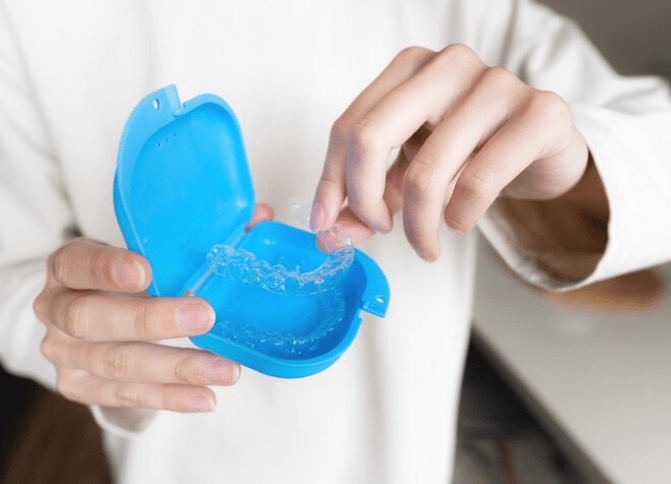
8. Wear a nightguard if you grind: Protecting enamel from mechanical grinding prevents the abrasion component of combined erosion-and-grinding damage.
Professional Treatments for Enamel Support
Your dentist can apply professional-strength fluoride varnish directly to the tooth surfaces at routine checkups. This provides a concentrated fluoride dose that penetrates the enamel surface and significantly boosts its remineralization state. For patients with severe erosion affecting multiple teeth, the dentist may recommend bonding, veneers, or crowns to protect what remains and restore function and aesthetics.
Common Mistakes Patients Make With Enamel Erosion
• Consuming large quantities of sparkling water under the assumption that it is tooth-friendly. Carbonation creates carbonic acid, and even plain sparkling water has a pH that can contribute to erosion with frequent consumption.
• Brushing immediately after vomiting. This spreads gastric acid across the tooth surfaces when enamel is most vulnerable. Rinse with water or a baking soda solution first, and brush after waiting at least 30 minutes.
• Using whitening toothpaste containing abrasive particles on already-eroded teeth, which removes additional enamel in the process of polishing.
• Assuming that all dental sensitivity is cavity-related. Enamel erosion is a primary cause of sensitivity and requires a different management approach than decay.
Frequently Asked Questions
Q1. Can enamel erosion be reversed?
Enamel that has been completely lost cannot be regenerated. However, early-stage erosion involving softened or partially demineralized enamel can be strengthened through remineralization using fluoride and dietary changes. This is why early detection through regular dental checkups is so valuable.
Q2. How quickly does enamel erode?
The rate of erosion depends on the frequency and duration of acid exposure, the presence of protective saliva, and individual factors like enamel thickness and composition. Mild erosion may take years to become clinically significant. Severe GERD or a very acidic diet can produce noticeable erosion changes within months.
Q3. Does fluoride really strengthen teeth?
Yes. Fluoride is one of the most well-researched interventions in dentistry. It incorporates into the enamel crystal structure to form fluorapatite, which is significantly more resistant to acid dissolution than the natural hydroxyapatite it replaces. Regular fluoride exposure through toothpaste and professional treatments measurably reduces the rate of enamel erosion.
Q4. Is tooth sensitivity always a sign of enamel erosion?
Not exclusively. Sensitivity can result from gum recession (which exposes the root surface), decay, cracked teeth, or recent dental procedures. Enamel erosion is a common cause, but a dental examination is needed to determine which factor is responsible for your specific symptoms.
Q5. Can children have enamel erosion?
Yes. Children who frequently consume fruit juices, sports drinks, carbonated beverages, or acidic candies are at significant risk of enamel erosion. Establishing good dietary habits and ensuring adequate fluoride exposure through toothpaste and checkup treatments protects children’s developing teeth during this vulnerable period.
Conclusion
While true enamel regeneration is not currently possible, weakened enamel can be meaningfully strengthened through remineralization, and further erosion can be slowed or stopped through targeted dietary changes, fluoride use, and professional dental care. Early identification of erosion patterns and prompt action through proper hygiene, lifestyle adjustments, and professional intervention give patients the best possible chance of protecting the enamel they have for the long term. Dominion Street Dental, located at 46 Dominion St, Alliston, ON L9R 1L5 and reachable at (705) 410-0961 or domdentalinfo@gmail.com, is one of the best dental clinics in Alliston, Ontario and provides comprehensive breath evaluations as part of routine dental care. The Dental Practice in Alliston, Ontario takes a root-cause approach to halitosis rather than symptom management.