A sports mouth guard helps protect your teeth, gums, jaw, and soft tissues from injuries during athletic activities. While over-the-counter mouth guards can provide basic protection, a custom-made mouth guard created by a dental professional generally offers a better fit, improved comfort, and greater protection against dental injuries. If you are looking for a trusted Dental Clinic in Alliston, choosing a practice that provides preventive dental care can help safeguard your smile both on and off the field.
Dental injuries are common in contact sports and recreational activities, but they are often preventable. A properly fitted mouth guard can significantly reduce the risk of chipped teeth, fractured teeth, soft tissue injuries, and jaw trauma. At Dominion Street Dental Alliston, patients receive personalized advice on preventive dental protection as part of comprehensive family dental care.
Whether your child plays hockey, soccer, basketball, martial arts, or another contact sport, an experienced Dentist in Alliston can determine whether a custom sports mouth guard is appropriate. Preventive care, including Preventive Family Dentistry and regular Check-ups and Cleanings, also helps ensure teeth remain healthy before and after sports participation.
Young athletes are particularly vulnerable to dental injuries because their mouths are still developing. Parents can also benefit from discussing sports protection during routine Children’s Dentistry appointments, where dentists can assess bite development and recommend appropriate protective equipment.
What Is a Sports Mouth Guard?
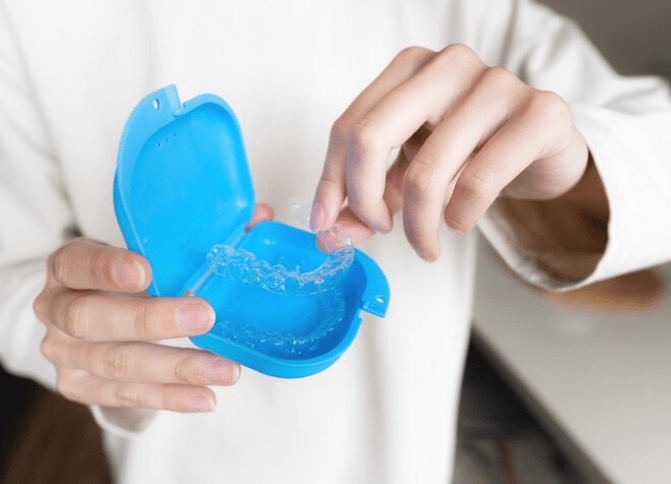
A sports mouth guard is a protective oral appliance worn over the teeth during athletic activities.
Its purpose is to:
- Cushion impacts
- Reduce the risk of broken teeth
- Protect lips and cheeks
- Help prevent jaw injuries
- Lower the likelihood of dental emergencies
Mouth guards are recommended for both children and adults participating in contact or high-impact sports.
Why Are Mouth Guards Important?
Sports-related dental injuries can happen unexpectedly, even during recreational play.
Common injuries include:
- Chipped teeth
- Broken teeth
- Knocked-out teeth
- Lip injuries
- Tongue injuries
- Jaw fractures
- Tooth displacement
Many of these injuries require immediate professional treatment and may involve restorative procedures.
Types of Sports Mouth Guards
There are three primary types of sports mouth guards.
1. Stock Mouth Guards
These are pre-formed and ready to wear.
Advantages:
- Easily available
- No fitting required
Limitations:
- Poor fit
- Limited comfort
- May interfere with speaking and breathing
- Less effective protection
2. Boil-and-Bite Mouth Guards
These are softened in hot water before being moulded around the teeth.
Advantages:
- Better fit than stock guards
- Affordable
- Widely available
Limitations:
- Fit varies depending on how well the moulding is performed
- Can wear out relatively quickly
- May not provide uniform protection
3. Custom Mouth Guards
Custom mouth guards are fabricated by dental professionals using impressions or digital scans of your teeth.
Advantages:
- Excellent fit
- Superior comfort
- Improved speech
- Better breathing
- Enhanced shock absorption
- Greater durability
For athletes who participate regularly in contact sports, custom-made appliances are generally considered the most reliable option.
Custom vs Over-the-Counter Mouth Guards
| Feature | Custom Mouth Guard | Over-the-Counter Mouth Guard |
| Fit | Individually fabricated | Generic fit |
| Comfort | Excellent | Variable |
| Protection | High | Moderate |
| Speech | Minimal interference | May interfere |
| Breathing | Comfortable | Can feel bulky |
| Durability | Long-lasting | Often requires frequent replacement |
Although over-the-counter options may be suitable for occasional recreational use, custom mouth guards provide more consistent protection for athletes who participate frequently.
Who Should Wear a Sports Mouth Guard?
Sports mouth guards are recommended for individuals involved in:
- Hockey
- Football
- Rugby
- Basketball
- Baseball
- Soccer
- Martial arts
- Boxing
- Wrestling
- Skateboarding
- BMX
- Lacrosse
Even sports that are not traditionally considered contact sports can involve accidental collisions or falls.
Benefits of Custom Sports Mouth Guards
Custom-made mouth guards provide several advantages.
Improved Protection
The appliance fits closely around each tooth, helping distribute impact forces more evenly.
Greater Comfort
Because the guard is individually designed, it is less likely to move during activity.
Better Performance
Athletes can usually breathe and communicate more comfortably while wearing a properly fitted appliance.
Long-Term Value
Although custom appliances require professional fabrication, they often last longer with proper care.
What Happens During Your First Visit?
If you are considering a custom sports mouth guard, your first appointment usually includes:
- Review of your medical and dental history.
- Examination of your teeth and gums.
- Assessment of your bite.
- Digital scan or dental impressions.
- Fabrication of a custom mouth guard.
- Fitting appointment with adjustments if needed.
- Instructions for proper care and storage.
This process helps ensure your mouth guard fits securely and comfortably.
Signs You Should Replace Your Mouth Guard
Replace your mouth guard if you notice:
- Cracks
- Tears
- Poor fit
- Significant wear
- Difficulty staying in place
- Changes following orthodontic treatment
- Growth changes in children
Regular dental examinations can help determine when replacement is appropriate.
Common Mistakes Athletes Make
Many sports-related dental injuries occur because athletes:
- Do not wear a mouth guard.
- Continue using a worn-out appliance.
- Purchase the wrong size.
- Modify the guard themselves.
- Forget to clean it properly.
- Leave it exposed to excessive heat.
Proper maintenance helps extend the life of your mouth guard while maintaining hygiene.
Sports Mouth Guards for Children
Children are especially vulnerable to dental injuries because their teeth, jaws, and facial bones are still developing. A properly fitted mouth guard can help reduce the severity of injuries during sports and recreational activities.
Parents should consider a custom mouth guard if their child participates in:
- Hockey
- Football
- Basketball
- Soccer
- Baseball
- Martial arts
- Skateboarding
- Lacrosse
- Gymnastics involving equipment
- Cycling and BMX
Regular dental visits also allow the mouth guard to be assessed as your child’s mouth grows. A guard that once fit well may need replacement as permanent teeth erupt or the bite changes.
Mouth Guards for Patients with Braces
Athletes undergoing orthodontic treatment require additional protection.
Braces increase the risk of injuries to:
- Lips
- Cheeks
- Gums
- Tongue
A custom mouth guard designed around orthodontic appliances provides additional cushioning while allowing room for tooth movement during treatment.
If you are currently receiving Orthodontic Treatment, ask your dentist whether your current mouth guard remains appropriate as your teeth shift.
What Should You Do If a Dental Injury Happens?
Even with a mouth guard, accidents can occur.
Follow these steps if a dental injury happens during sports:
- Stay calm and stop playing immediately.
- Check for bleeding or swelling.
- If a permanent tooth has been knocked out, hold it only by the crown, not the root.
- If possible, gently rinse the tooth without scrubbing it.
- Try placing the tooth back into the socket if it can be done safely.
- If this is not possible, keep the tooth moist in milk or a tooth preservation solution.
- Contact a dentist immediately.
Prompt treatment significantly improves the chance of saving an injured tooth.
If trauma results in severe pain, fractures, or a knocked-out tooth, urgent assessment through Dental Emergencies is recommended.
Can a Mouth Guard Prevent Every Injury?
No.
A sports mouth guard greatly reduces the risk and severity of many dental injuries, but it cannot completely eliminate the possibility of trauma.
Its primary role is to absorb and distribute impact forces, reducing the likelihood of:
- Tooth fractures
- Soft tissue injuries
- Jaw injuries
- Broken dental restorations
- Tooth displacement
Combining a properly fitted mouth guard with appropriate sports safety equipment provides the best overall protection.
How to Care for Your Sports Mouth Guard
Proper maintenance extends the life of your mouth guard and helps prevent bacterial buildup.
Daily Care
- Rinse before and after every use.
- Clean using cool water and a soft toothbrush.
- Allow it to air dry completely.
- Store it in a ventilated protective case.
Avoid
- Hot water
- Direct sunlight
- Leaving it inside a hot vehicle
- Harsh household cleaners
- Chewing on the appliance
Bringing your mouth guard to routine dental appointments allows your dentist to evaluate its condition and fit.
How Often Should a Mouth Guard Be Replaced?
Replacement depends on several factors.
Adults should replace a mouth guard when it becomes:
- Loose
- Cracked
- Torn
- Distorted
- Excessively worn
Children often require more frequent replacement because their jaws and teeth continue to develop.
Your dentist can advise when a replacement is appropriate.
Custom Mouth Guards and Preventive Dentistry
Sports protection is only one part of maintaining a healthy smile.
Routine preventive care helps identify dental problems before they become emergencies.
Preventive services may include:
- Oral examinations
- Professional cleanings
- Fluoride treatments
- Oral hygiene instruction
- Bite assessments
- Sports mouth guard evaluations
Patients who maintain regular Preventive Family Dentistry appointments are often better able to avoid unexpected dental complications.
Common Myths About Sports Mouth Guards
Myth 1: Only Professional Athletes Need Mouth Guards
Fact: Children, teenagers, and recreational athletes experience dental injuries every year. Anyone participating in sports with a risk of facial impact should consider wearing one.
Myth 2: Boil-and-Bite Mouth Guards Offer the Same Protection as Custom Mouth Guards
Fact: Boil-and-bite guards may offer reasonable protection, but they rarely match the comfort, retention, and precise fit of professionally fabricated custom appliances.
Myth 3: Mouth Guards Are Only for Contact Sports
Fact: Falls and accidental collisions can occur in many activities, including cycling, gymnastics, skateboarding, and baseball.
Myth 4: Mouth Guards Last Forever
Fact: Like any protective equipment, mouth guards wear out over time and should be inspected regularly.
Additional Dental Services That Support Active Patients
Athletes occasionally require treatment after sports-related injuries.
Depending on the injury, treatment may include:
- Root Canal for teeth with nerve damage
- Crowns and Bridges to restore fractured teeth
- Dental Implants for permanently lost teeth
- Tooth Extractions when a tooth cannot be preserved
- Cosmetic Dentistry for restoring the appearance of damaged teeth
- Porcelain Veneers or Smile Makeovers when aesthetics are affected following trauma
Every treatment plan is based on a thorough clinical assessment.
Advanced Healing After Oral Surgery
In situations involving dental trauma, implant placement, or periodontal surgery, healing is an important part of recovery.
Dominion Street Dental offers advanced PRGF-Endoret PLP Treatment to support tissue healing during selected surgical and implant procedures. This regenerative approach uses components derived from the patient’s own blood to promote healing and recovery when clinically appropriate.
Some patients requiring complex gum procedures may also benefit from Periodontal Gum Surgery or Bone Regeneration to restore oral health and support future restorative treatments.
Why Choose Dominion Street Dental?
For more than 24 years, Dominion Street Dental has proudly served patients throughout Alliston and the New Tecumseth community with comprehensive family, cosmetic, restorative, and advanced dental care.
The clinic welcomes new patients and accepts eligible patients through the CDCP Information program under the Canadian Dental Care Plan.
Patients appreciate that the practice offers:
- Family-focused dental care
- Cosmetic and restorative dentistry
- Emergency dental treatment
- Dental implants
- Orthodontic treatment
- Advanced PRGF-Endoret and PLP healing therapies
- Multilingual care in English, Ukrainian, and Russian
- Free consultations for new patients
- Extended appointment availability, including Tuesday until 6:00 PM and Wednesday from 1:00 PM to 8:00 PM
Conveniently located at 46 Dominion St., Alliston, ON L9R 1L5, Canada, patients can contact the clinic by calling +1 705-410-0961 or emailing domdentalinfo@gmail.com to arrange an appointment or learn more about available services.
Safety and Professional Care
Every patient has unique dental needs. Before recommending a custom sports mouth guard or any restorative treatment, a comprehensive oral examination is essential.
Dentists registered with the Royal College of Dental Surgeons of Ontario (RCDSO) follow established clinical standards to ensure safe diagnosis, treatment planning, and follow-up care. If you experience persistent dental pain, swelling, or a sports-related injury, seek professional assessment rather than attempting self-treatment.
Frequently Asked Questions
1. Is a custom sports mouth guard worth it?
Yes. A custom sports mouth guard generally provides a better fit, improved comfort, and greater protection than over-the-counter options, especially for athletes who participate in sports regularly.
2. How long does a custom mouth guard last?
Its lifespan depends on use, care, and changes in your teeth. Adults may use the same guard for several years if it remains in good condition, while children often need replacements more frequently as they grow.
3. Can I wear a sports mouth guard with braces?
Yes. Patients with braces should wear a mouth guard designed to fit around orthodontic appliances to help protect both their teeth and braces during sports.
4. How should I clean my mouth guard?
Rinse it with cool water after each use, clean it gently with a soft toothbrush, allow it to air dry, and store it in a ventilated protective case. Avoid exposing it to excessive heat.
5. Should I replace my mouth guard after a dental injury?
Yes. If a mouth guard has been damaged or no longer fits properly after an impact, it should be evaluated and replaced if necessary to ensure continued protection.
Conclusion
Choosing between a custom and an over-the-counter sports mouth guard depends on your level of activity, comfort needs, and the protection you require. While both options offer benefits, a professionally fitted custom mouth guard provides the highest level of comfort and protection for athletes of all ages. Combined with regular dental check-ups and preventive care, wearing the right mouth guard can significantly reduce the risk of sports-related dental injuries and help keep your smile healthy for years to come.
Conveniently located at 46 Dominion St., Alliston, ON L9R 1L5, Canada, patients can contact the clinic by calling +1 705-410-0961 or emailing domdentalinfo@gmail.com to arrange an appointment or learn more about available services.